Japan earthquake leaves dozens injured or missing after 7.1 magnitude quake hits Kyushu
A powerful 7.1 magnitude earthquake struck Japan's Kyushu island, triggering factory suspensions, a mall collapse, and urgent overnight rescue operations.
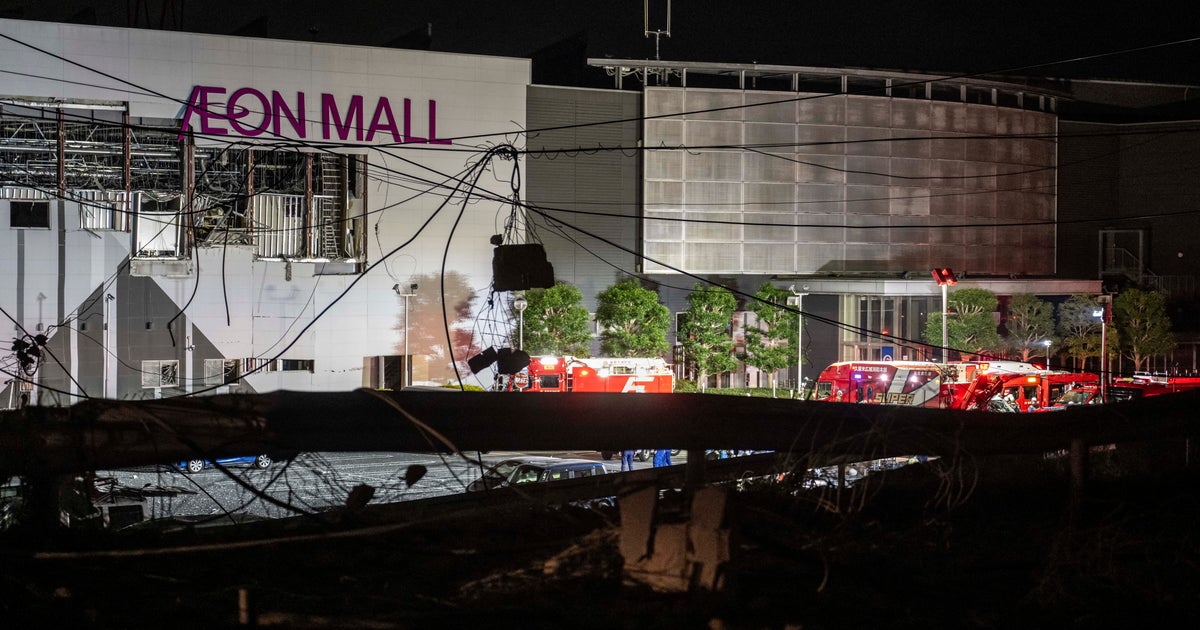
A powerful 7.1 magnitude earthquake struck Japan’s southern main island of Kyushu on Tuesday, shaking the region, triggering factory and transit suspensions, and leaving rescue workers searching overnight for missing individuals trapped under rubble. The tremor struck approximately 20 kilometers south of Kumamoto City. The disaster brought back painful memories of a previous deadly seismic event in the area a decade prior, prompting widespread evacuations and straining local medical facilities.
The most severe structural failures occurred at commercial and industrial sites. In Kashima Town, an explosion tore through the Aeon Mall Kumamoto shopping center following the earthquake, causing the second floor of the building to collapse. Broadcasters and officials noted that the blast was suspected to have been triggered by a gas leak or ignited LP gas stored nearby. Emergency response teams pulled several survivors from the wreckage, though varying local reports indicated that anywhere from 10 to upwards of 30 employees and visitors remained unaccounted for beneath exposed steel beams and heavy debris. According to Reuters reporting, overnight rescue operations at the mall confirmed multiple fatalities, including two women in their twenties, alongside several injured individuals. Meanwhile, at the Nippon Paper Industries Yatsushiro Plant, a massive smokestack collapsed onto the facility. The Kumamoto emergency team stated that 11 people were trapped underneath the debris, with multiple individuals found in cardiopulmonary arrest or without vital signs.
Related YouTube video


Prime Minister Sanae Takaichi addressed reporters, confirming that authorities were receiving widespread reports of damaged roads, bridges, and buildings, alongside localized fires and blackouts. In response to requests from the Kumamoto prefectural governor, the Japanese government mobilized approximately 3,600 Self-Defense Force personnel for disaster relief and life-saving operations. Defense Minister Koizumi noted that specialized units like the 42nd Rapid Deployment Regiment were actively deployed. Evacuation advisories affected hundreds of thousands of residents across Kumamoto and neighboring prefectures, with schools and public centers opening their doors as temporary shelters. Tens of thousands of households experienced power outages and disruptions to gas supplies.
The tremor severely disrupted regional transportation networks. Shinkansen bullet trains and local rail lines across Kyushu were suspended for safety inspections, and a freight train derailed and overturned at Yatsushiro station without passengers on board. Aso Kumamoto Airport indefinitely closed its runway with no immediate prospect of resuming operations. Major manufacturing plants in the area also took precautionary measures. Toyota Motor Corp., Honda Motor Co., Tokyo Electron, and Nippon Paper suspended operations at select facilities, while chipmakers and tech giants such as TSMC, Sony, and Fujifilm evacuated personnel to assess potential impacts.
Hospitals across the region quickly filled to capacity. Facilities such as the Yatsushiro Northern Regional Medical Center, Uki General Hospital, and Saiseikai Kumamoto Hospital took in dozens of patients suffering from fractures, burns, and injuries caused by falling furniture. Medical staff reported constant arrivals of ambulances, compounded by localized water leaks and electrical system failures inside damaged healthcare facilities.
Japan sits atop the volatile "Ring of Fire," an arc of intense tectonic and volcanic activity where four major tectonic plates converge, accounting for a significant share of the world's major earthquakes. Officials from the Japan Meteorological Agency cautioned residents that the shallow quake has triggered active seismic conditions, warning the public to remain vigilant for strong aftershocks and landslide risks over the coming days.
What to Watch Next
- Continued search and rescue operations by police, firefighters, and Self-Defense Force personnel at the collapsed shopping mall and paper factory.
- Official assessments of structural damage to regional highways, including the Kyushu Expressway, and the gradual resumption of transit and manufacturing operations.
- Updates from the Japan Meteorological Agency regarding aftershock frequency and weather-related safety advisories.
For broader international context on seismic events, see World coverage on Archypedia.
Archypedia is dedicated to independent, evidence-backed reporting. This briefing was synthesized from primary source reporting, corroborated across independent newsrooms, and verified against our Editorial Standards.
Transparency record
Evidence behind this report
This report synthesizes 4 distinct sources. Open the source ledger below to compare the underlying coverage.
Prepared under the Archypedia Editorial Policy by the Samir Haddad editorial desk profile. AI-assisted tools may support drafting and verification; public accountability remains with Archypedia. Report an error.