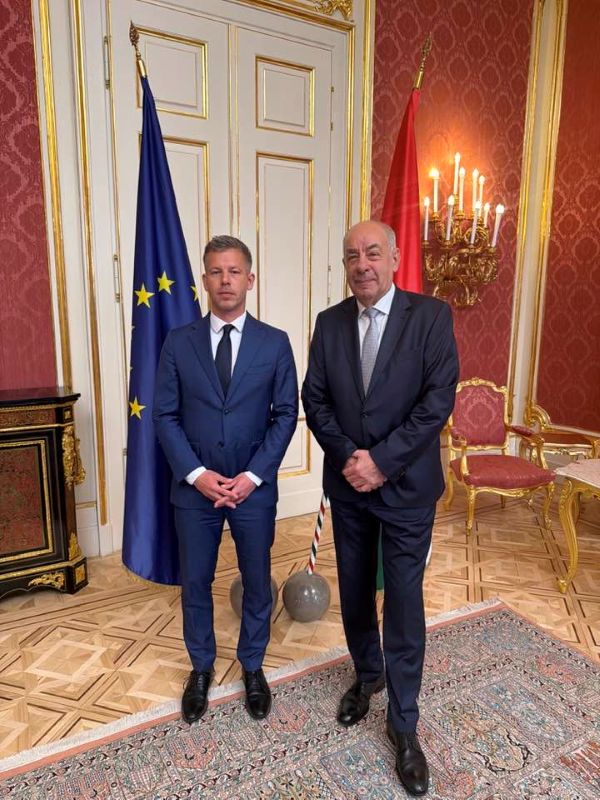
Hungary President Tamas Sulyok signs amendment ending his term
Hungarian President Tamas Sulyok has signed an amendment that concludes his presidential mandate. Parliament must now elect a successor within 30 days.
Hungary President Tamas Sulyok signs amendment ending his term
Hungarian President Tamas Sulyok officially signed a constitutional amendment on Saturday, 18 July 2026, effectively concluding his presidential mandate. The action follows a period of legislative maneuvering by the government of Prime Minister Péter Magyar, whose Tisza party secured a two-thirds majority in the National Assembly during elections held in April 2026. This parliamentary supermajority allowed the administration to enact the constitutional change, which Sulyok had initially resisted.
In a video statement explaining his decision, Sulyok noted that he was acting in accordance with his obligations under the Fundamental Law.
"I am fulfilling my obligation under the Fundamental Law after carefully weighing my legal options and my conscience."
Related media
Image via news.abplive.comImage via irishtimes.comImage via chinadaily.com.cn
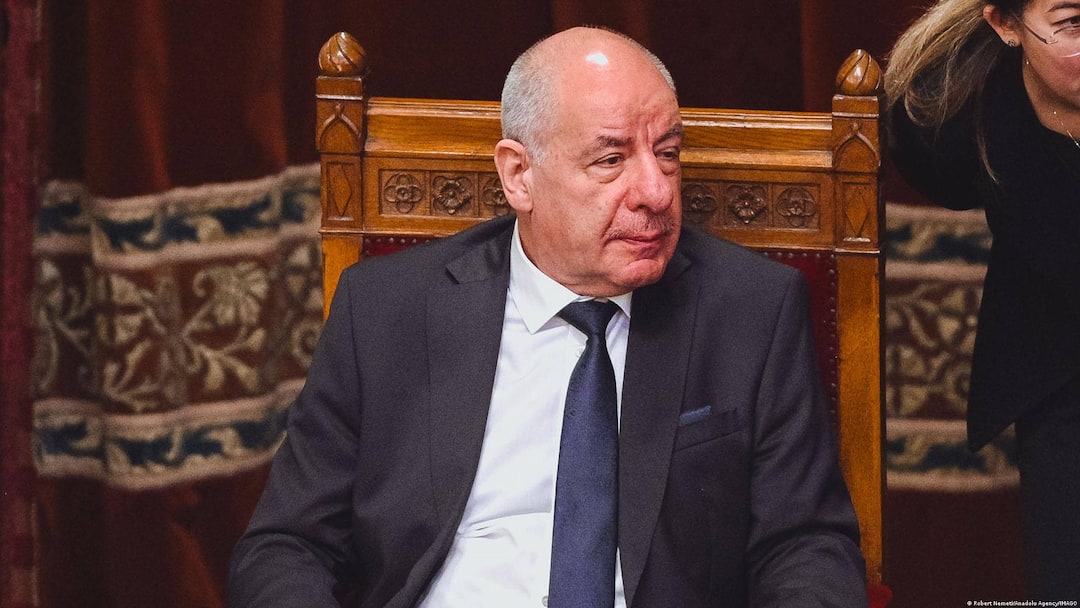
Tamas Sulyok, President, via News
Sulyok, who was appointed by the previous administration in 2024, characterized the legislation as setting a negative precedent that inflicts a deep wound on the constitutional values of democracy, the separation of powers and the rule of law.
The amendment, the country’s 17th such change to the constitution, triggered an immediate political transition. At that time, Speaker of Parliament Ágnes Forsthoffer is set to assume presidential duties on an interim basis. By law, the National Assembly must elect a successor via secret ballot within 30 days. Candidates for the position must be at least 35 years old and require nomination by a minimum of 40 members of parliament.
Prime Minister Magyar has framed the removal of the president as a necessary step to clear the path for his administration’s reform agenda. Following the signing, Magyar stated that the decision had removed the last obstacle to implementing our joint decisions. Magyar has indicated his intention to consult with other parliamentary parties to find a candidate for the presidency who can represent national unity.
The constitutional amendment is part of a broader series of legislative reforms initiated by the Tisza government. These changes include:
The introduction of a mandatory retirement age of 70 for Constitutional Court justices, which will result in the departure of the court's current head.
The implementation of a 12-year term limit for all lawmakers.
The establishment of a National Asset Recovery and Protection Office designed to investigate financial misconduct linked to the previous administration.
The dissolution of the Sovereignty Protection Office.
The shift has elicited strong reactions across the political spectrum. Former Prime Minister Viktor Orbán expressed his opposition via social media, stating that tyranny is no longer a threat, but a reality. Conversely, supporters of the new government view these measures as part of a necessary restoration of democratic integrity and a move toward dismantling institutional structures established during the 16-year tenure of the previous administration.
The administration remains focused on finalizing this transition while addressing significant economic challenges, including a public deficit reported at 8.3 per cent of GDP. Long-term, Prime Minister Magyar has signaled an intent to draft a new constitution and introduce direct presidential elections, plans he intends to put before the public in a future referendum.
What to watch next
Presidential Nomination: Prime Minister Magyar is expected to convene his party on Monday to discuss a successor for the presidential office.
Election Timeline: Parliament is required to hold a secret ballot to elect a new president within 30 days.
Constitutional Overhaul: The government has indicated plans to introduce a new constitution for public approval, which would shift the country toward direct presidential elections.
Editorial Standards & Verification
Archypedia is dedicated to independent, evidence-backed reporting. This briefing was synthesized from primary source reporting, corroborated across independent newsrooms, and verified against our Editorial Standards.