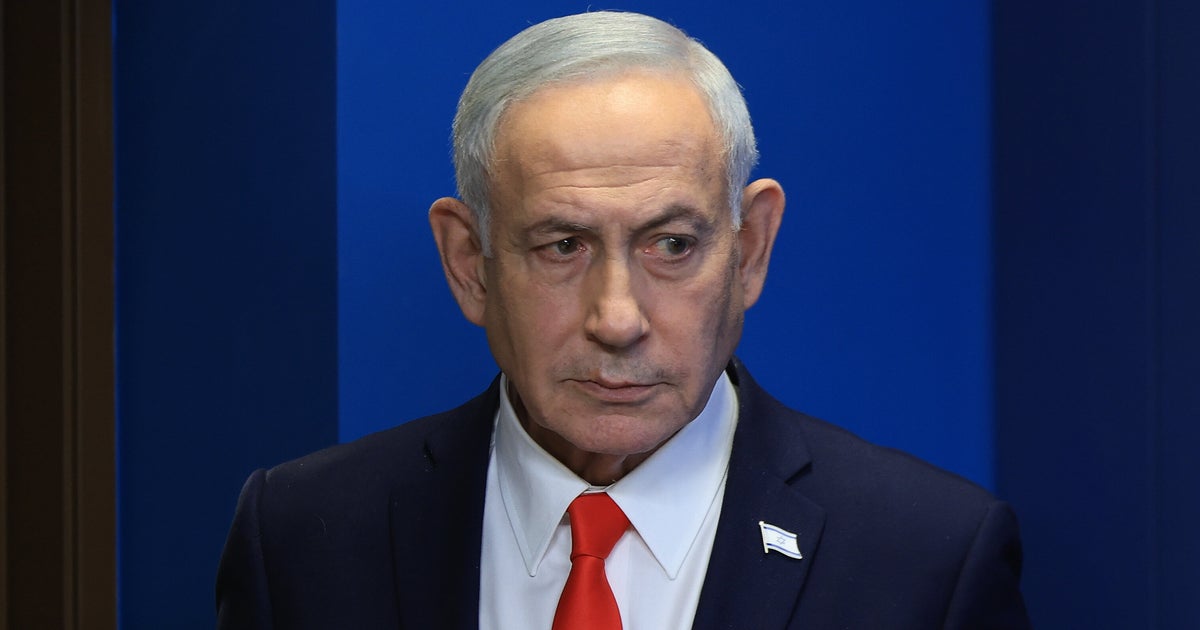
Algeria severs diplomatic ties with United Arab Emirates
The rupture ends a diplomatic relationship established in 1974, driven by disputes over the Western Sahara, the Abraham Accords, and stability in the Sahel.

ALGIERS — The United Arab Emirates ambassador to Algeria has been given a strict 48-hour deadline to vacate the country along with all diplomatic staff following the abrupt severance of diplomatic ties between the two nations. The decision, announced Thursday, September 10, 2026, followed a formal summons of the ambassador to the Ministry of Foreign Affairs, where the rupture was officially notified.
The move represents a sharp escalation in a relationship that had been deteriorating for months. The Algerian government stated that it had exhausted all means likely to preserve bilateral relations, according to Algerian public television, as reported by Le JDD and Maroc Hebdo.
Related YouTube video


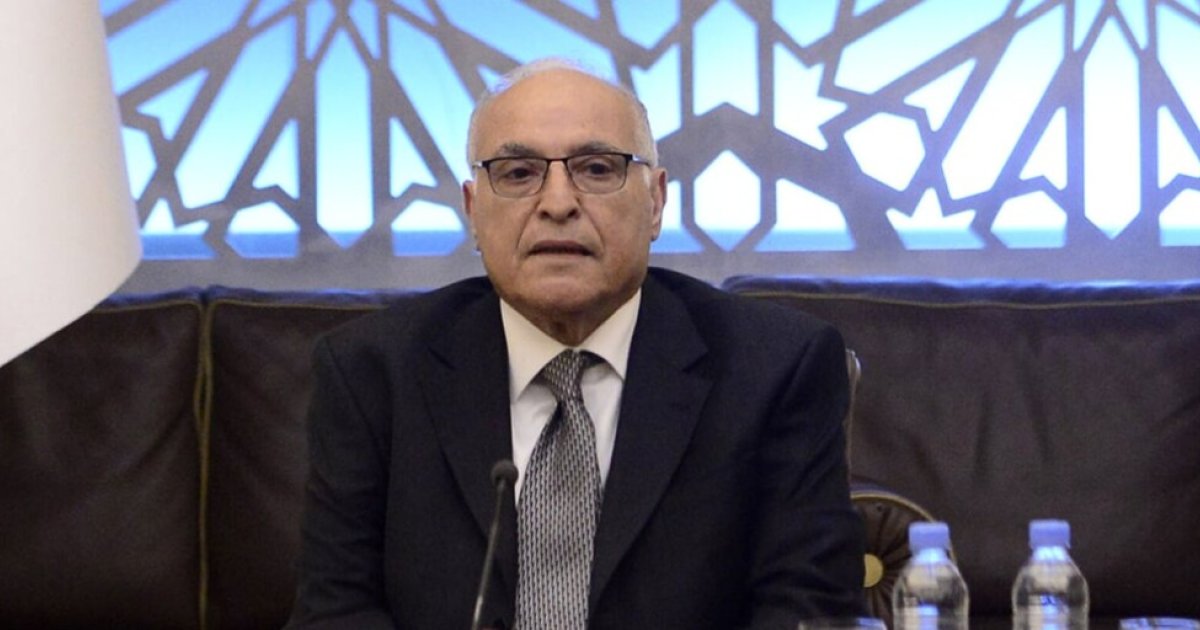
Mechanism of the Diplomatic Rupture
The termination of ties was signed by Farid Guellil of the Algerian Ministry of Foreign Affairs. According to a communiqué reported by Morocco Mail and Beninwebtv, the government cited a multiplication d’agissements provocateurs ou hostiles
(multiplication of provocative or hostile actions) attributed to the Emirati authorities.
Alger asserted that it had demonstrated grande retenue
(great restraint) and a sens élevé des responsabilités
(high sense of responsibility) by issuing multiple preventive warnings. The government judged that these behaviors had atteint les limites de ce qui est admissible ou tolérable dans le cadre de relations entre deux États souverains
(reached the limits of what is admissible or tolerable within the framework of relations between two sovereign states), according to Morocco Mail.
This rupture follows a pattern of decisive diplomatic breaks employed by Algiers. In 2021, Algeria permanently severed ties with Morocco following deep disagreements over the Western Sahara, a territory disputed by Rabat and the Sahrawi Arab Democratic Republic—a state proclaimed by the Polisario Front in 1976 and supported by Algiers, as reported by Le JDD.
The timeline of the current deterioration shows a transition from technical friction to a total break:
| Date | Development |
|---|---|
| August 7, 1974 | Opening of the UAE embassy in Algiers and establishment of official relations. |
| February 2026 | Algeria initiates the procedure to denounce a 2013 air services agreement with the UAE. |
| July 2026 | President Tebboune indicates a rupture would have occurred sooner if not for the desire to avoid aggravating divisions among Arab countries. |
| September 7, 2026 | Foreign Minister Ahmed Attaf advocates for national and inclusive solutions to Arab crises without external interference at a League of Arab States meeting in Cairo. |
| September 10, 2026 | Official severance of ties and 48-hour expulsion order for UAE diplomats. |
Regional Friction and the 'Micro-State'
President Abdelmadjid Tebboune has used aggressive rhetoric to describe the UAE's regional influence. In a televised interview, he characterized the UAE as an État minuscule
(minuscule state) and a micro-État
(micro-state) from which only humiliation et discorde
(humiliation and discord) emanate, according to Le JDD and Maroc Hebdo.
The President's primary accusation is that Abu Dhabi engages in destabilizing actions across several regional states.
"Là où ils mettent le pied, le sang coule" (Where they put their foot, blood flows),
Abdelmadjid Tebboune, President of Algeria, via Le JDD
Tebboune further stated that Algeria's only wish is for this state to s’éloigne, pour que le sang ne coule pas chez nous
(stay away, so that blood does not flow among us), as reported by Maroc Hebdo.
Ideological and Strategic Divergence
The rupture is the result of three primary points of contention where the two nations hold opposed views.
First is the conflict over the Western Sahara. Algeria supports the Polisario Front and the principle of self-determination for the territory, while the UAE supports the position of Morocco.
Second is the issue of normalization with Israel. While the UAE established diplomatic relations with Israel in 2020 under the Abraham Accords, Algeria remains opposed to such normalization, according to Beninwebtv.
Third is the approach to crises in the Sahel and North Africa. On September 7, Foreign Minister Ahmed Attaf reaffirmed at the Council of the Arab League in Cairo that Algeria favors solutions that are national and inclusive, explicitly rejecting exterior interferences.
Frequently Asked Questions
Why did Algeria expel the UAE ambassador so suddenly?
Algeria cited a multiplication of "provocative or hostile" actions by the UAE. The government stated it had exhausted all bilateral means to preserve the relationship after multiple preventive warnings regarding behaviors it deemed "regrettable and unjustified."
What are the main points of disagreement between the two countries?
The primary disputes involve the Western Sahara (Algeria supports the Polisario Front; UAE supports Morocco), the UAE's 2020 normalization of ties with Israel, and accusations from President Tebboune regarding the UAE's destabilizing influence in the region.
Had the two countries expressed these tensions before?
Yes. In July 2026, President Tebboune indicated that a rupture had been desired for a long time but was delayed to avoid worsening divisions within the Arab world. Additionally, Algeria began denouncing a 2013 air services agreement in February 2026.
The decision terminates more than a half-century of diplomatic representation. While the Algerian Ministry of Foreign Affairs has not detailed the specific acts that triggered the break, BeninWebTV reports that the ministry had previously warned the Emirati side about consequences of behaviors it described as regrettables et injustifiés
(regrettable and unjustified).
Whether the UAE will formally respond to the expulsion order or the accusations of regional destabilization remains the immediate open question. According to BeninWebTV, citing Reuters and Associated Press, Emirati authorities had not reacted publicly at the time of the announcement.
This break follows a period of escalating public criticism from the Algerian presidency. President Tebboune had previously indicated that the rupture would have happened much sooner had Algiers not feared aggravating divisions among Arab nations, according to Le JDD.
Archypedia is dedicated to independent, evidence-backed reporting. This briefing was synthesized from primary source reporting, corroborated across independent newsrooms, and verified against our Editorial Standards.
Transparency record
Evidence behind this report
This report synthesizes 4 distinct sources. Open the source ledger below to compare the underlying coverage.
Prepared under the Archypedia Editorial Policy by the Samir Haddad editorial desk profile. AI-assisted tools may support drafting and verification; public accountability remains with Archypedia. Report an error.