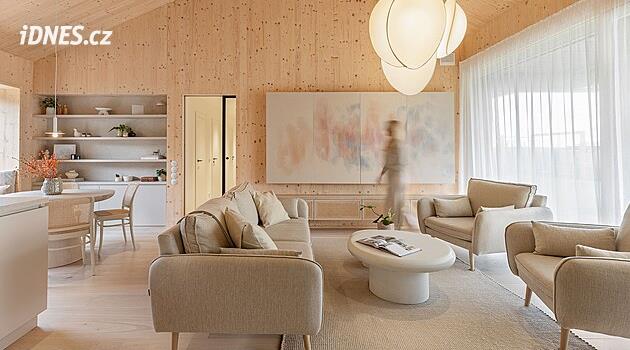
A wooden structure in the Czech village of Klecany has been named Europe’s best interior design of 2025, according to local media reports.
The award-winning project, Dřevostavba, stands out for its innovative use of timber in residential architecture, blending sustainability with modern aesthetics. Located in a region known for its traditional crafts, the design has drawn attention for its ability to merge contemporary living with local heritage.
Why This Project Stands Out in 2025’s Architecture Scene
Unlike many award-winning interiors that prioritize glass or steel, Dřevostavba relies entirely on locally sourced wood, a choice that aligns with growing global demand for eco-conscious building materials. The structure’s design—characterized by exposed beams, natural light optimization, and minimalist furnishings—has been praised for its functional simplicity and visual impact.
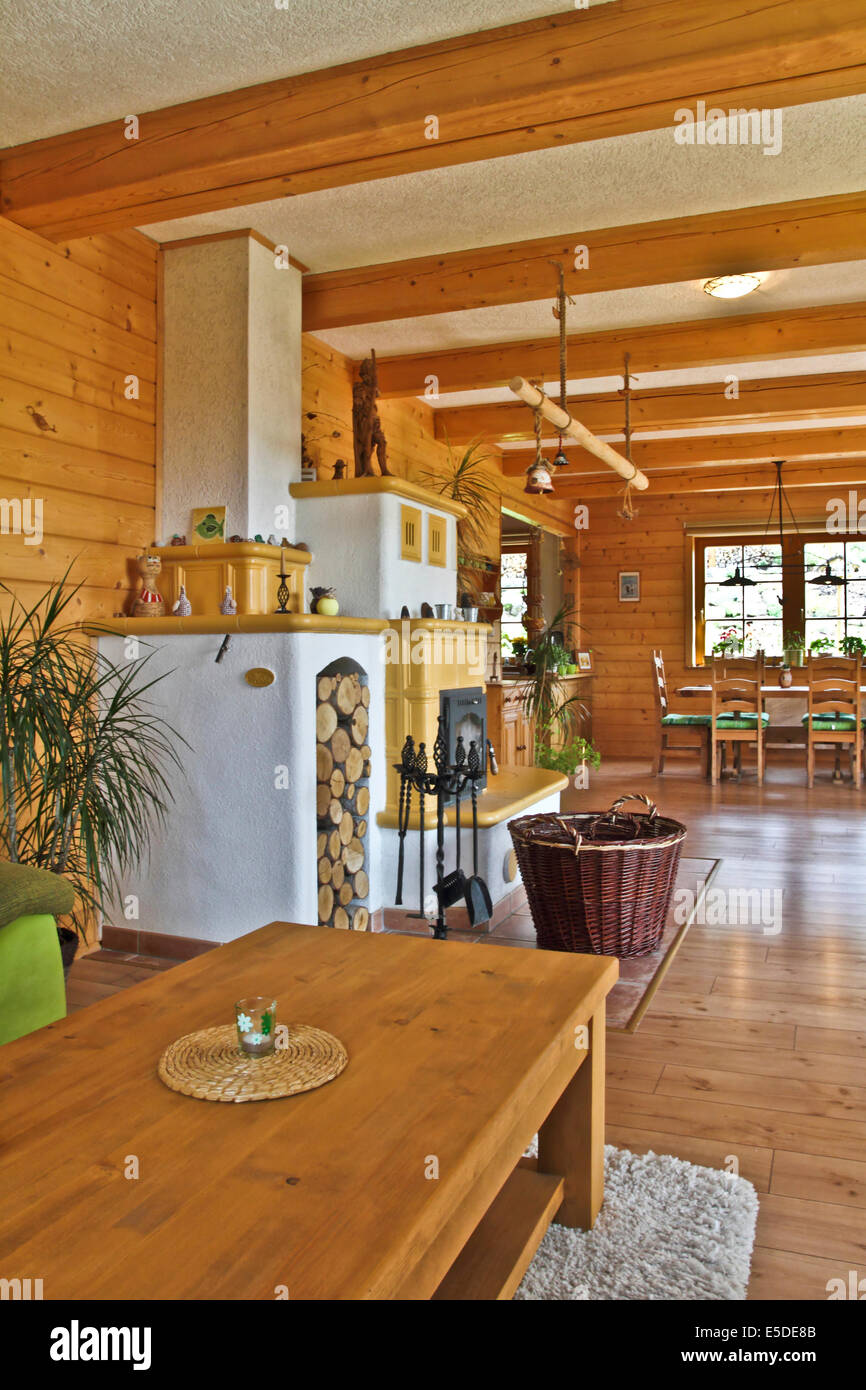
According to reports, the judges highlighted its “harmonious fusion of nature and architecture,” a rare achievement in an era where sustainability often competes with high-tech materials. The project’s success also reflects a broader trend in Central European design, where traditional craftsmanship is increasingly reimagined for modern lifestyles.
What the Judges Said About the Win
The award was announced at a ceremony in Prague, where organizers emphasized the project’s ability to redefine residential spaces through material innovation. While no specific figures were released on construction costs or square footage, sources noted that the design’s scalability could influence future housing developments in the region.
Architects involved in the project have not yet commented publicly, but local media suggests the team plans to share detailed case studies on the wood-sourcing process and energy-efficient techniques used in the build.
A Model for Sustainable Living?
As climate-conscious design gains traction, Dřevostavba’s recognition could signal a shift in how interiors are evaluated beyond aesthetics. The project’s use of untreated wood—avoiding synthetic finishes—has been noted as a potential blueprint for other rural and urban developments facing similar sustainability challenges.
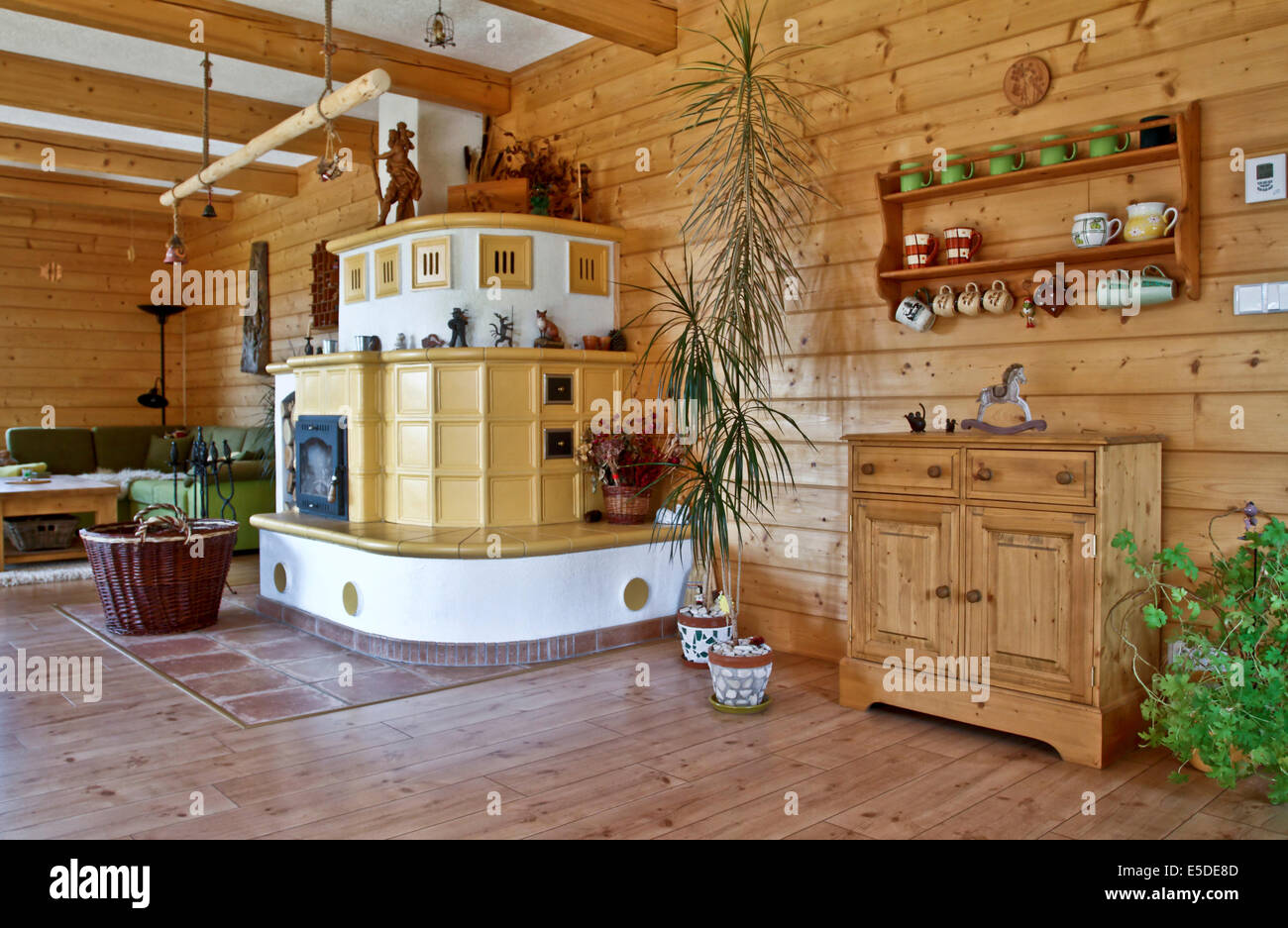
Industry observers point to a parallel in Scandinavian design, where similar principles have led to widespread adoption of wood-based construction. However, the Czech project’s integration of local labor and materials sets it apart, offering a model that could resonate with communities prioritizing both environmental and economic resilience.
What Happens Next for the Project
While no immediate expansions or commercial adaptations have been announced, the award’s prestige may accelerate collaborations with Czech craft guilds and universities exploring sustainable architecture. The team behind Dřevostavba is expected to present their findings at an upcoming European design conference, where further details on replication strategies could emerge.
For now, the structure remains a quiet testament to how traditional techniques can meet contemporary needs—a rare win in an industry often dominated by flashy, high-budget concepts.
