
Women Seeking Menopause Care Report an Average of Nine Symptoms at Once, New Analysis of 100,000+ Patient Assessments Finds
An analysis of more than 100,000 patient assessments reveals that women seeking menopause care report an average of nine symptoms simultaneously. The data, distributed via PR Newswire, indicates that menopause typically manifests as a complex cluster of physiological and psychological issues rather than isolated occurrences, suggesting a need for more comprehensive clinical treatment strategies.
The Scale of the Menopause Symptom Burden
The recent analysis of over 100,000 patient assessments marks one of the largest data sets focused on the lived experience of menopause. According to the findings shared by PR Newswire, the average woman seeking care does not present with a single primary complaint, such as hot flashes, but instead manages a multifaceted array of nine different symptoms at once.
This volume of data suggests that the traditional medical approach—which often treats the most prominent symptom in isolation—may be insufficient for the majority of patients. The report highlights a systemic complexity in how menopause affects the body, noting that the overlap of symptoms often creates a compounding effect on a patient’s overall quality of life.
Key data points from the analysis include:
- Patient Sample: 100,000+ individual assessments.
- Symptom Average: Nine concurrent symptoms per patient.
- Clinical Implication: A shift toward holistic, multi-symptom management is required.
“The data shows that menopause is rarely a one-symptom experience. When women seek help, they are often battling a constellation of issues that impact their physical health, mental clarity, and emotional stability all at once.”
Why the Nine-Symptom Average Challenges Current Care Models
For decades, the clinical shorthand for menopause has been the “hot flash.” While vasomotor symptoms are a hallmark of the transition, the PR Newswire analysis proves that focusing on a single indicator ignores the broader reality for most women. When a patient reports nine symptoms on average, the diagnostic process becomes more complex, and the treatment plan must be more flexible.
Medical practitioners often operate within time-constrained appointments. If a clinician focuses only on the most “visible” symptom, they may overlook secondary issues like joint pain, anxiety, or cognitive changes—often referred to as “brain fog.” This fragmented approach to care can lead to patients feeling unheard or misdiagnosed, as their symptoms are treated as unrelated incidents rather than a unified endocrine shift.
The Risk of Symptom Fragmentation
Symptom fragmentation occurs when a patient visits different specialists for different menopause-related issues. For example, a woman might see a dermatologist for skin changes, a sleep specialist for insomnia, and a primary care physician for hot flashes, without any of the providers linking these issues to the menopausal transition. The analysis of 100,000 patients suggests that this fragmented care is an inefficient way to manage a condition that is, by nature, systemic.
| Traditional Care Focus | Comprehensive Care Approach (Data-Driven) |
|---|---|
| Single-symptom targeting (e.g., treating only hot flashes). | Cluster-based treatment (addressing the “nine-symptom average”). |
| Fragmented specialist visits for unrelated complaints. | Integrated care coordinating endocrine and psychological health. |
| Reactive treatment based on the most severe symptom. | Proactive management of the overall menopausal profile. |
Commonly Reported Symptoms in Menopause Assessments
While the analysis emphasizes the average number of symptoms, the nature of these symptoms varies. The data indicates a blend of physical, emotional, and cognitive disruptions. Understanding these clusters helps explain why the burden of care is so high for the average patient.
Physical Manifestations
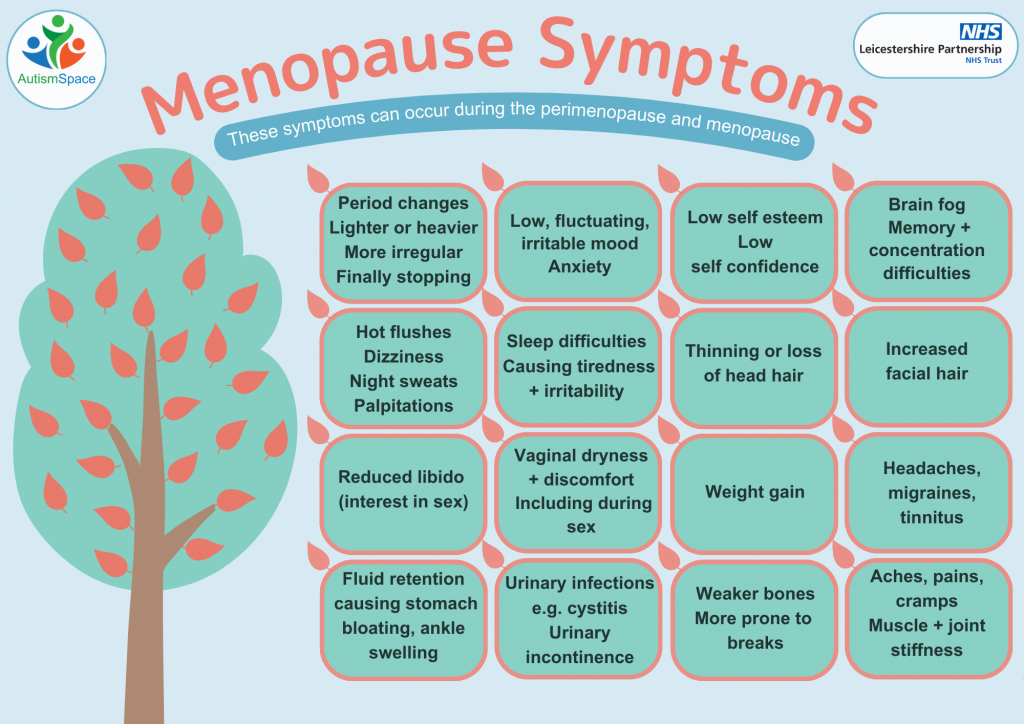
Physical symptoms often form the baseline of the patient’s experience. These include the well-known vasomotor symptoms, but extend into deeper systemic changes. According to general clinical data aligned with these findings, patients frequently report:
- Vasomotor Symptoms: Hot flashes and night sweats.
- Sleep Disturbances: Insomnia or fragmented sleep, often exacerbated by night sweats.
- Musculoskeletal Pain: Increased joint pain and muscle stiffness.
- Genitourinary Syndrome: Vaginal dryness and increased urinary urgency.
Cognitive and Emotional Shifts
The PR Newswire report underscores that psychological symptoms are not secondary but are often central to the patient’s distress. These frequently overlap with physical symptoms, creating a feedback loop.
- Cognitive Dysfunction: Memory lapses and difficulty concentrating (“brain fog”).
- Mood Instability: Increased irritability, anxiety, or depressive episodes.
- Emotional Lability: Sudden shifts in mood that may not align with external stressors.
When these cognitive and emotional shifts occur alongside physical pain and sleep deprivation, the resulting impact on a woman’s daily functioning is significantly higher than if she were experiencing any one of these symptoms in isolation.
The Socio-Economic Impact of Multi-Symptom Menopause
The finding that women report an average of nine symptoms simultaneously has direct implications for the workforce and the economy. Menopause typically occurs during the peak of a woman’s professional career, often when she is in a leadership or high-responsibility role.
Managing nine concurrent symptoms requires significant mental and physical energy. When “brain fog” combines with chronic insomnia and anxiety, professional productivity can decline. According to industry observations, this often leads to a “hidden” attrition rate where experienced women leave the workforce or reduce their hours not because of a lack of ambition, but because the systemic burden of menopause becomes unmanageable without proper support.
Workplace Implications
Companies that ignore the complexity of menopause risk losing institutional knowledge. A worker struggling with nine different symptoms is more likely to take sick leave or experience burnout. The data suggests that workplace wellness programs focusing solely on “stress management” are insufficient; instead, they need to acknowledge the biological reality of the menopausal transition.
Possible workplace adjustments based on this data include:
- Environmental Controls: Temperature-controlled workspaces to mitigate hot flashes.
- Flexible Scheduling: Accommodations for sleep-deprived employees.
- Health Education: Training managers to recognize that cognitive lapses may be symptomatic of menopause rather than a decline in performance.
Correcting Common Misconceptions About Menopause
The analysis of 100,000+ patient assessments serves as a corrective to several widespread myths regarding the menopausal transition.
Myth 1: Menopause is Only About Hot Flashes
The most glaring misconception is that menopause is defined by a few “classic” symptoms. The data proves that for the average woman, hot flashes are just one of nine issues. Treating the “classic” symptoms while ignoring the rest is a failure of comprehensive care.
Myth 2: Mood Swings are Simply “Psychological”
There is a common tendency to categorize irritability or anxiety as purely emotional. However, when viewed as part of a nine-symptom cluster, these mood changes are clearly linked to hormonal fluctuations and the physical stress of insomnia and pain. They are biological symptoms, not just psychological reactions.
Myth 3: Menopause is a Short Transition
Because the symptom burden is so high—averaging nine issues at once—the experience is often prolonged. The transition from perimenopause to postmenopause can last years, meaning women are managing this high symptom load for a significant portion of their adult lives.
Clinical Pathways for Managing Complex Symptom Clusters
Given the evidence that women are dealing with a high volume of simultaneous symptoms, the medical community is moving toward “cluster-based” treatment. This approach prioritizes the intersection of symptoms rather than treating them as a checklist.
The Role of Hormone Replacement Therapy (HRT)
For many, HRT remains a primary tool for reducing the overall symptom count. By stabilizing estrogen and progesterone levels, HRT can simultaneously address hot flashes, sleep disturbances, and mood swings. However, the PR Newswire analysis suggests that since the average symptom count is so high, HRT may need to be supplemented with other therapies to address specific issues like joint pain or vaginal atrophy.
Non-Hormonal and Integrative Approaches
Not all women can or want to use hormones. In these cases, the “nine-symptom” reality requires a multi-pronged strategy:
- Cognitive Behavioral Therapy (CBT): Specifically tailored for menopause to manage anxiety and the psychological impact of vasomotor symptoms.
- Nutritional Intervention: Adjusting diets to support bone density and reduce inflammation in the joints.
- Lifestyle Modification: Implementing strict sleep hygiene and strength training to combat muscle loss and insomnia.
The goal of these integrated pathways is to reduce the total number of active symptoms, thereby lowering the overall burden on the patient.
Comparing the Burden: Perimenopause vs. Postmenopause
While the average is nine symptoms, the distribution of these symptoms often shifts as a woman moves through the transition. In the perimenopausal phase, hormonal volatility often leads to a higher prevalence of mood swings and irregular cycles. In postmenopause, the focus often shifts toward long-term health risks and chronic physical symptoms.
A comparison of symptom focus reveals a shift in priority:
- Perimenopause: High volatility, focus on mood, sleep, and cycle irregularity.
- Postmenopause: Stabilization of cycles, but increased focus on bone health, cardiovascular risk, and genitourinary health.
Regardless of the phase, the volume of symptoms remains high, reinforcing the need for long-term, adaptive care plans rather than a one-time intervention.
The Importance of Patient-Reported Data
The use of 100,000+ patient assessments is significant because it relies on patient-reported outcomes (PROs) rather than just clinical observations. Historically, medical data on menopause was often derived from small clinical trials or physician notes, which may not capture the full spectrum of a woman’s daily experience.
By analyzing what women actually report, the data reveals a gap between what doctors think women are experiencing and what women are actually enduring. This gap is where the “nine-symptom average” becomes a critical metric. It validates the patient’s experience and provides a quantitative basis for demanding more comprehensive care.
For more information on how patient data is shaping women’s health, see our related explainer on patient-reported outcomes in endocrine health.
Frequently Asked Questions
What is the average number of symptoms women report during menopause?
According to a new analysis of over 100,000 patient assessments shared via PR Newswire, women seeking menopause care report an average of nine symptoms occurring simultaneously.
Why is it important that women report multiple symptoms at once?
Reporting a cluster of symptoms indicates that menopause is a systemic condition. If clinicians only treat the most prominent symptom (like hot flashes), they may overlook other critical issues such as cognitive impairment, joint pain, or anxiety, leading to incomplete treatment.
What are the most common symptoms found in these assessments?
While the average is nine, common symptoms include vasomotor issues (hot flashes, night sweats), sleep disturbances, mood swings, anxiety, “brain fog” (cognitive dysfunction), and physical pain in joints or muscles.
How does the “nine-symptom average” affect women in the workplace?
The simultaneous burden of multiple symptoms can lead to decreased productivity, increased absenteeism, and higher rates of burnout, particularly for women in high-responsibility roles during their peak career years.
Can all nine symptoms be treated with one medication?
While Hormone Replacement Therapy (HRT) can address several symptoms at once—such as hot flashes, insomnia, and mood instability—some symptoms may require additional, targeted treatments, such as CBT for anxiety or specific physical therapies for joint pain.
Where did the data for this analysis come from?
The findings are based on an analysis of more than 100,000 individual patient assessments, providing a large-scale look at the symptoms women report when seeking professional menopause care.
