Sun exposure is not always sufficient to restore vitamin D levels, and deficiencies can persist through the summer for high-risk individuals, according to research cited by Agerpres and Romania Libera. This indicates that millions of people may be unknowingly deficient, as natural sunlight fails to correct the imbalance for certain populations.
- Summer persistence: Low vitamin D levels do not automatically resolve during warmer months for high-risk groups.
- Sunlight limitations: Solar exposure is not a guaranteed method for restoring healthy vitamin D levels.
- Widespread deficiency: Millions of individuals may be deficient without presenting obvious symptoms.
Why does vitamin D deficiency persist in summer?
While sunlight is the primary natural source of vitamin D, researchers report that exposure is not always enough to bring levels back to a healthy range. According to reports from Romania Libera and Agerpres, certain individuals do not synthesize the vitamin efficiently despite the increased UV radiation available during the summer.
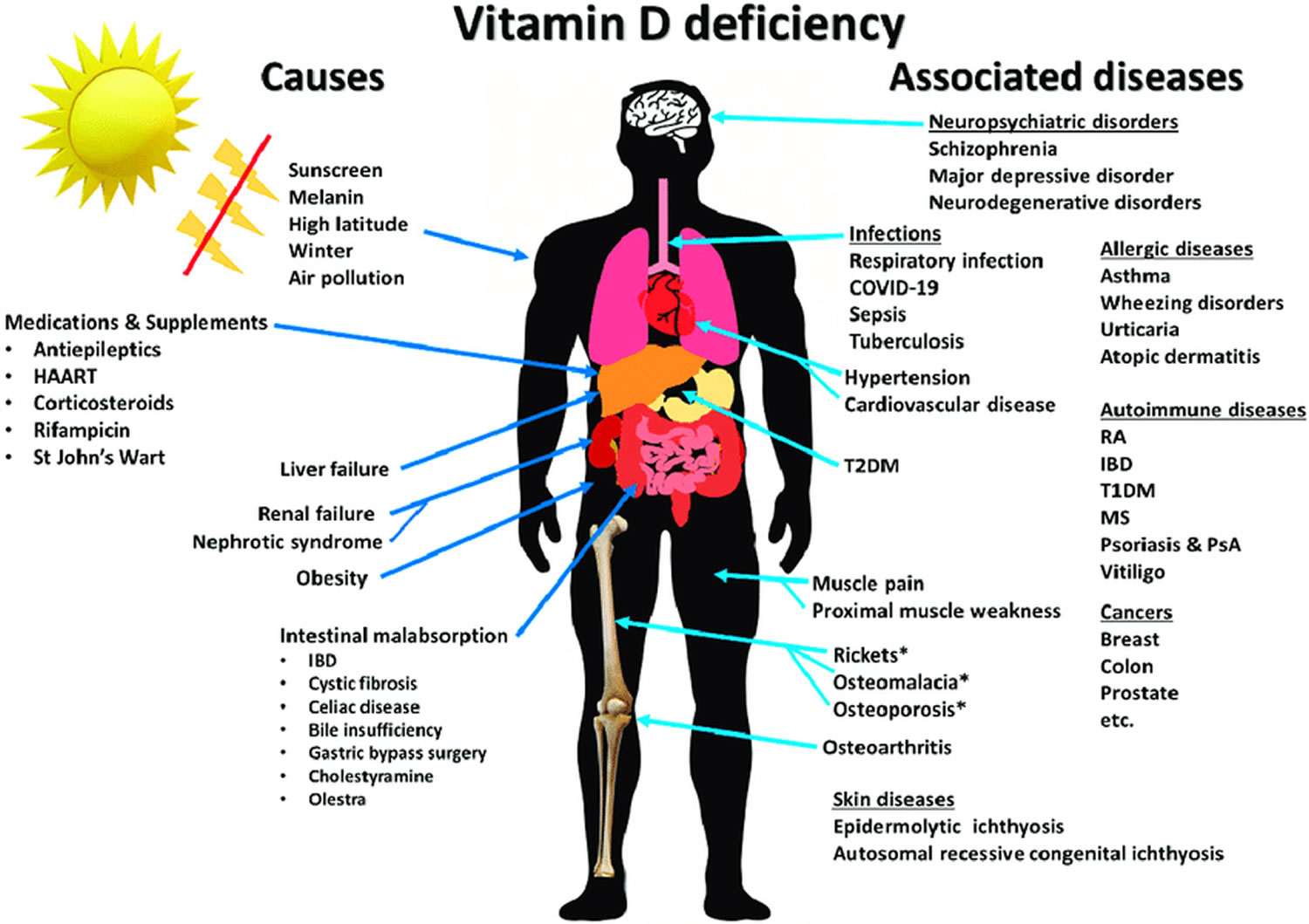
This persistence suggests that the biological capacity to produce vitamin D varies significantly between people. For those in high-risk categories, the “summer peak” of sunlight does not necessarily eliminate a chronic deficit.
Who is most susceptible to undetected deficiency?
A significant portion of the population may be living with a deficiency without any awareness of their status. According to Stirile ProTV, millions of people could have low vitamin D levels without knowing it. The deficiency is often silent, meaning it may not produce immediate or obvious symptoms that would prompt a medical screening.
The research highlighted by Ziarul Bursa specifically notes that “high-risk” individuals are the most likely to maintain low levels year-round. While the source does not list every specific risk factor, it emphasizes that for these groups, the assumption that summer sun solves the problem is inaccurate.
What factors influence supplement effectiveness?
Because sunlight is an unreliable source for some, many turn to supplementation. However, the timing and method of intake affect how the body uses the vitamin. According to medical explanations cited by BizBrasov, specific factors influence the absorption and overall efficiency of vitamin D supplements.
Clinicians note that the body’s ability to absorb the supplement is not uniform and depends on various physiological and timing factors. This underscores the importance of professional guidance when determining the correct dosage and administration schedule to ensure the supplement actually raises blood levels.
