
The United States government aims to deploy its first usable quantum computer for research by 2028, according to public reports. This acceleration follows a push by President Donald Trump to secure the U.S. against global security threats linked to quantum capabilities.
- Research Deadline: The U.S. government target for a usable quantum computer is 2028.
- Strategic Driver: National security and protection against global quantum threats.
- Market Impact: Shares of IBM and Infleqtion rose following the administration’s call for quantum development.
Why the U.S. is accelerating quantum development
The push for rapid quantum adoption is driven by the potential for these machines to compromise existing encryption and security protocols. According to local media reports, President Trump is accelerating quantum initiatives specifically to protect the United States from a global threat that has already caused concern worldwide.
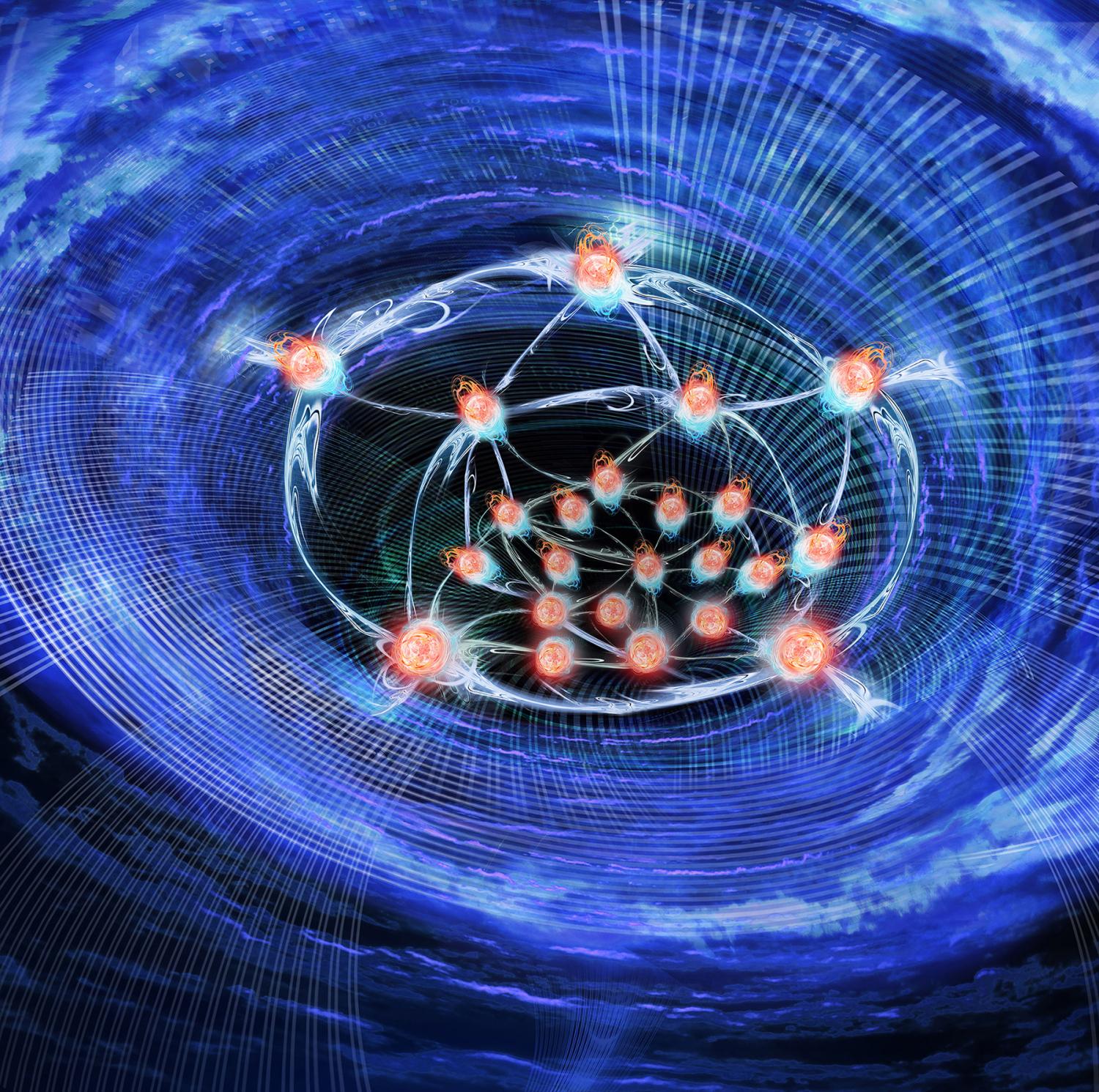
While some reports emphasize the security risks, others focus on the operational timeline. For instance, reports indicate the government’s specific goal is to have a research-ready system operational within the next four years, marking a concrete deadline for domestic quantum viability.
Market reactions for IBM and Infleqtion
Financial markets responded immediately to the administration’s focus on quantum infrastructure. According to market data, shares in IBM and Infleqtion saw gains following the call to establish a functional quantum computer.
This movement reflects investor confidence in the companies’ roles as primary providers of the hardware and software necessary to meet the government’s 2028 research objective.
What defines the “second quantum revolution”
Quantum computing differs from classical computing by using qubits, which allow for calculations that are exponentially faster for specific complex problems. This shift is described by some reports as a “second quantum revolution” that seeks to reinvent the fundamental architecture of the computer.
The technology is not merely an incremental speed boost but a structural change in how data is processed. According to technical reports, this transition is essential for staying competitive in global research and defense, as it allows for the simulation of materials and the breaking of traditional cryptographic codes that classical computers cannot handle.
