
Bitcoin, Ether, XRP, Dogecoin Lag as Stock Market Rallies Amid Cooling ETF Demand
The cryptocurrency market has seen a notable slowdown, with major assets like Bitcoin, Ethereum, XRP, and Dogecoin failing to keep pace with a nine-week surge in global stock indices. While equities such as the S&P 500 have reached record highs, crypto assets remain under pressure, raising questions about shifting investor priorities and the influence of broader economic trends. This article delves into the factors driving this divergence, the role of ETFs, and what it means for the future of digital assets.
What Happened: A Divergence in Market Performance
Over the past nine weeks, stock markets have experienced a sustained upward trend, fueled by optimism surrounding economic recovery, corporate earnings, and strategic geopolitical developments. For instance, the S&P 500 recently crossed the 7,500 threshold, a milestone driven by renewed confidence in global trade and corporate resilience. In contrast, major cryptocurrencies have shown muted growth, with Bitcoin and Ethereum struggling to break above key resistance levels despite earlier gains.
This divergence has sparked debates among analysts and investors. While equities have benefited from a combination of monetary policy stability and strong corporate performance, the crypto market has faced headwinds from regulatory scrutiny, macroeconomic uncertainty, and shifting investor sentiment. The cooling demand for cryptocurrency ETFs, which had previously acted as a catalyst for price movements, has further compounded the challenge for digital assets.
Key Factors Behind the Crypto Downturn
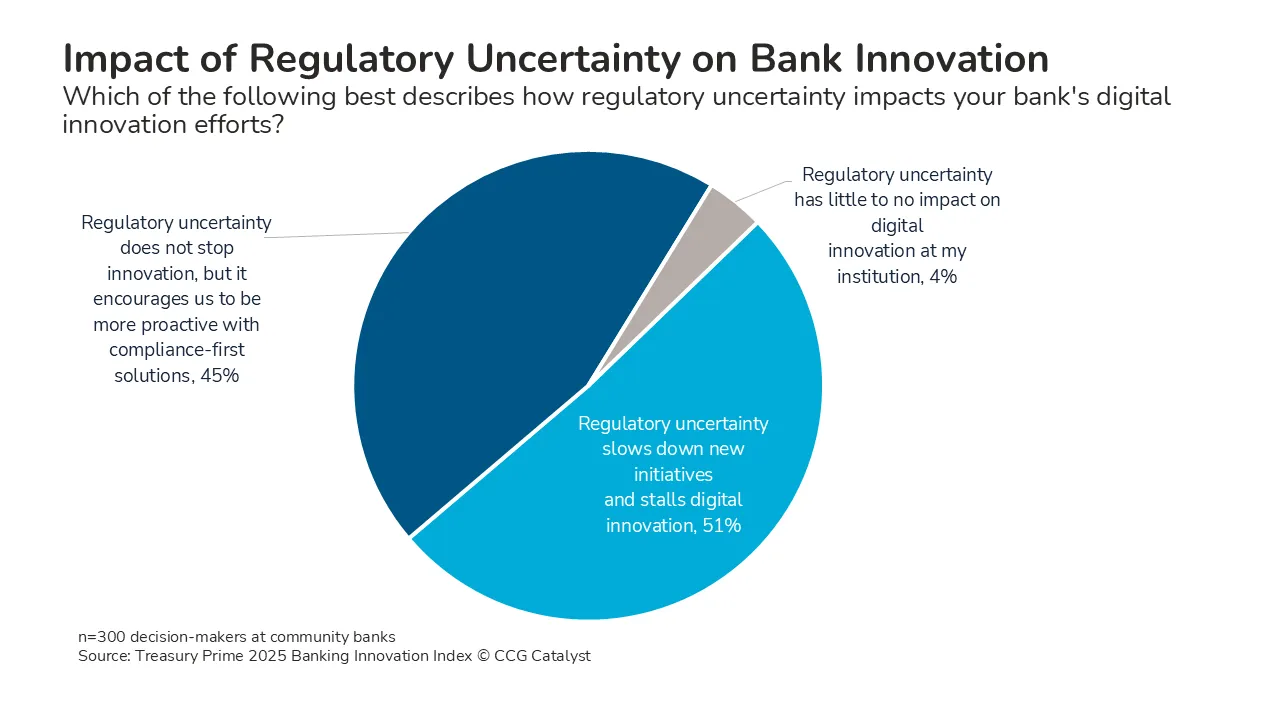
1. Regulatory Uncertainty: Governments worldwide are grappling with how to regulate cryptocurrencies, leading to a climate of caution among institutional investors. Recent regulatory proposals, including stricter compliance requirements and tax reforms, have dampened enthusiasm for crypto adoption.
2. Macroeconomic Pressures: Inflation concerns and the potential for interest rate hikes have made riskier assets less attractive. Investors are favoring the relative stability of equities over the volatility of cryptocurrencies, particularly in an environment where central banks are prioritizing price stability over growth.
3. ETF Demand Cooling: The initial hype around cryptocurrency ETFs, which promised to bridge the gap between traditional finance and digital assets, has waned. While these products were expected to attract a new wave of institutional investment, their limited availability and cautious regulatory approval have left many investors waiting for clearer signals.
Why the Stock Market is Outperforming
The stock market’s recent surge can be attributed to a combination of factors, including robust corporate earnings, geopolitical stability, and a gradual recovery in consumer confidence. For example, the resolution of tensions in the Strait of Hormuz and improved trade relations between major economies have boosted investor optimism. Companies in sectors like technology and energy have reported strong quarterly results, further fueling the rally.

Another critical factor is the shift in monetary policy. Central banks have maintained a delicate balance between supporting economic growth and curbing inflation, creating a favorable environment for equities. This stability has made stocks a more appealing option for risk-averse investors, particularly in the wake of the 2022 market corrections.
Investor Sentiment and Market Psychology
Investor psychology plays a pivotal role in market dynamics. The stock market’s recent performance has reinforced a sense of confidence, with many investors viewing equities as a safer bet during uncertain times. In contrast, the crypto market has been plagued by a lack of consensus on long-term value, with some participants questioning the sustainability of current price levels.
This shift in sentiment is also influenced by the broader economic narrative. As central banks signal a potential pause in rate hikes, the focus has turned to corporate earnings and economic data, which are more directly tied to stock performance. For cryptocurrencies, the absence of such concrete metrics has made it harder to gauge their trajectory.
Implications for the Crypto Market
The lagging performance of major cryptocurrencies raises important questions about their role in the financial ecosystem. While some experts argue that the market is simply adjusting to a more mature phase, others warn of potential long-term challenges. The cooling demand for ETFs, in particular, highlights the need for clearer regulatory frameworks and more robust infrastructure to attract institutional investors.
At the same time, the crypto market remains a hotbed of innovation. Developments in decentralized finance (DeFi), non-fungible tokens (NFTs), and blockchain-based solutions continue to attract attention. However, these innovations are often overshadowed by the broader market’s focus on traditional assets.
What’s Next for Investors?
For investors, the current dynamic underscores the importance of diversification. While stocks offer a relatively stable return in the short term, cryptocurrencies may present opportunities for long-term growth, provided that regulatory and macroeconomic conditions improve. Analysts suggest that a balanced approach, combining exposure to both asset classes, could be the most prudent strategy.
the role of ETFs in the crypto space remains a key area to watch. If regulatory hurdles are addressed and demand for these products increases, they could serve as a bridge between traditional finance and digital assets. However, until then, the market’s performance will likely remain influenced by broader economic trends.
FAQ: Understanding the Crypto-Stock Divergence
Why is the stock market outperforming crypto?
The stock market benefits from a combination of stable economic conditions, strong corporate earnings, and a more predictable regulatory environment. In contrast, the crypto market
