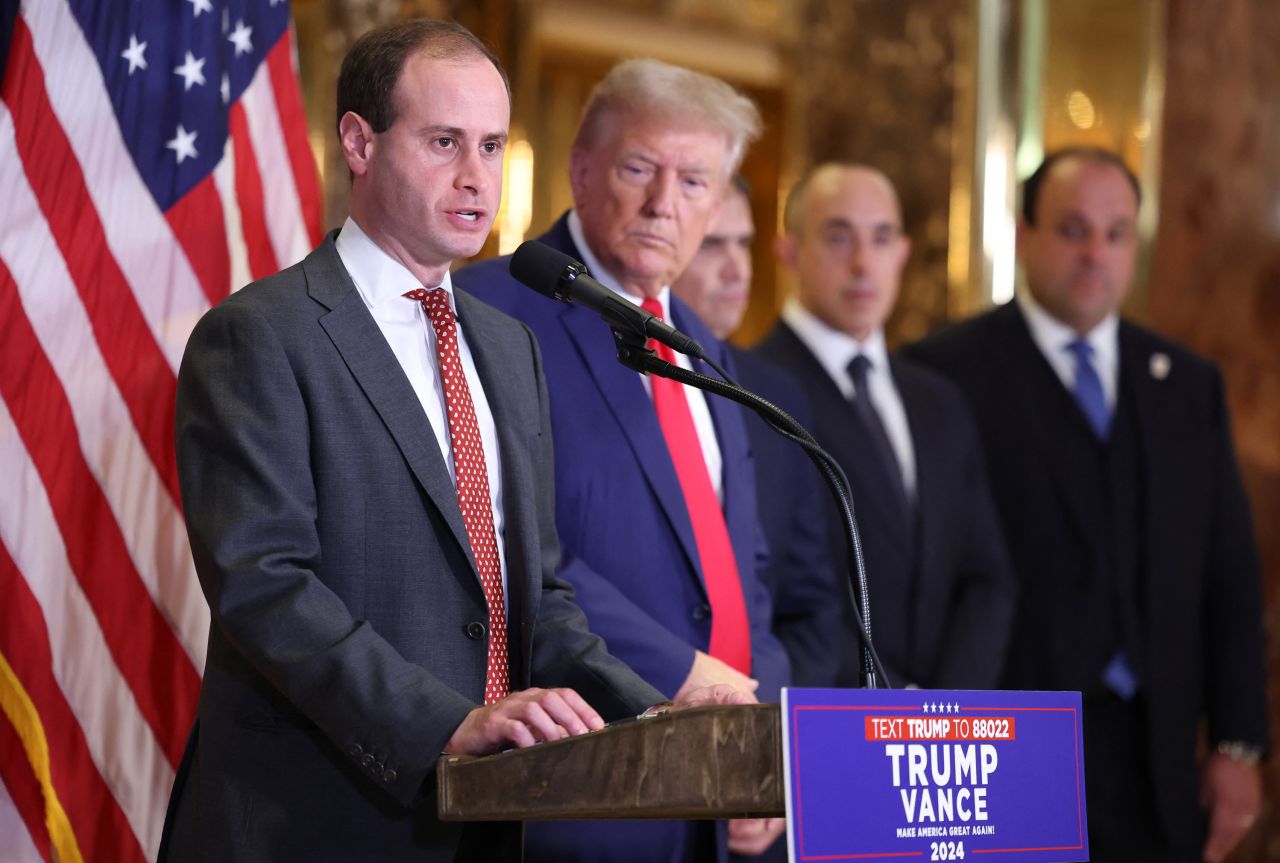
Trump throws Mike Johnson a lifeline on the SAVE Act – Axios: The Struggle Over Housing and Voting Laws
Donald Trump is leveraging his influence over a bipartisan housing affordability bill to pressure Speaker Mike Johnson into prioritizing the SAVE Act, according to reporting from Axios. Trump has refused to sign the housing legislation into law, effectively tying the fate of renter and homebuyer relief to the passage of a controversial voting bill that requires proof of citizenship for voter registration.
Why is Trump refusing to sign the bipartisan housing bill?
Donald Trump has declined to sign a bipartisan housing bill intended to lower costs for renters and homebuyers, according to AP News. The refusal stems from a strategic effort to force the House of Representatives to move forward with the SAVE Act. By withholding his signature, Trump is utilizing a high-stakes legislative veto to signal that housing relief will not be granted until the GOP-led House addresses his priorities regarding election integrity.
The housing bill, which sought to address the national affordability crisis, had gained bipartisan support before Trump’s intervention. According to PBS, the legislation focused on expanding housing affordability, but those gains are now stalled. The standoff places Speaker Mike Johnson in a difficult position, as he must balance the needs of a bipartisan coalition with the demands of the former president.
Key points regarding the housing bill standoff include:
- Bipartisan Support: The bill had initial backing from both parties to tackle rising costs for renters and buyers.
- Trump’s Leverage: The refusal to sign is not based on the housing provisions themselves, but on unrelated voting legislation.
- Legislative Limbo: The bill remains unsigned, leaving the proposed benefits for homeowners and renters in a state of uncertainty.
What is the SAVE Act and why is it the center of this conflict?
The SAVE Act is a voting bill that would require individuals to provide documentary proof of U.S. citizenship when registering to vote in federal elections, according to NPR. Trump has made the passage of this act a primary demand, viewing it as a necessary measure to prevent non-citizens from participating in federal elections.
The legislation has become a flashpoint in the current political climate. While supporters argue it secures the integrity of the ballot box, critics and Democratic lawmakers claim it creates unnecessary barriers to voter registration. NPR reports that Trump has continued to sabotage other legislative efforts to ensure the SAVE Act remains a priority for the House leadership.
The “lifeline” mentioned by Axios refers to the political cover this conflict provides Speaker Mike Johnson. By framing the delay of the housing bill as a direct result of Trump’s demands, Johnson can explain to his caucus and the public why a popular, bipartisan bill is stalled, while simultaneously attempting to negotiate a path forward that satisfies both the Trump wing of the party and the moderate members of the House.
How does this impact homebuyers and renters?
The refusal to sign the housing bill has direct implications for millions of Americans struggling with the cost of living. According to AP News, the legislation was designed to provide relief to both renters and homebuyers who are facing record-high prices and interest rates.

PBS reports that the bill contained specific measures to improve housing affordability. Without the president’s signature, these measures cannot be implemented, meaning that planned subsidies, tax breaks, or regulatory changes intended to lower the cost of entry for new homebuyers will not materialize.
The primary consequences for the public include:
- Stagnant Affordability: Renters will not see the relief promised in the bipartisan legislation.
- Buyer Uncertainty: Potential homebuyers remain stuck in a high-interest environment without the legislative support the bill intended to provide.
- Market Volatility: The uncertainty surrounding the bill’s status may discourage investment in affordable housing projects.
| Feature | Bipartisan Housing Bill | The SAVE Act |
|---|---|---|
| Primary Goal | Lower costs for renters and buyers | Require proof of citizenship for voting |
| Political Status | Bipartisan support; unsigned by Trump | Strong Trump support; partisan divide |
| Main Impact | Economic relief for housing market | Changes to voter registration process |
| Current Obstacle | Trump’s refusal to sign | House legislative scheduling/opposition |
What is Speaker Mike Johnson’s strategy?
Speaker Mike Johnson is attempting to navigate a narrow path between the executive influence of Donald Trump and the legislative requirements of the House. The New York Times reports that Johnson has indicated he will send the housing bill to Trump, despite the known resistance. This suggests a strategy of “performing the process”—following the formal steps of legislation to keep the bipartisan coalition intact while privately negotiating the terms of the SAVE Act’s passage.

By continuing to push the housing bill forward, Johnson is attempting to demonstrate leadership and a commitment to governance. However, as Axios notes, the situation serves as a “lifeline” because it allows Johnson to align himself with Trump’s priorities (the SAVE Act) while appearing to fight for the housing bill. If the bill ultimately fails because of Trump’s veto, the responsibility shifts from the Speaker’s office to the former president.
The tension between these two goals—passing a popular housing bill and satisfying Trump’s demand for the SAVE Act—highlights the internal dynamics of the current Republican leadership. Johnson must maintain the support of the hard-right flank of his party, which views the SAVE Act as non-negotiable, while not alienating the moderates who view housing affordability as a critical issue for the general electorate.
Comparing the framing of the standoff across media outlets
Different news organizations have highlighted different aspects of this legislative battle. Axios focuses on the interpersonal and political dynamic between Trump and Johnson, framing the situation as a “lifeline” for the Speaker. This suggests a more nuanced, strategic interpretation of the conflict, where the deadlock actually serves a political purpose for Johnson.
In contrast, AP News and PBS focus on the tangible impact on the American public, emphasizing the loss of housing relief for renters and buyers. Their reporting frames the story as a failure of governance where a bipartisan achievement is being held hostage for partisan gain.
NPR provides the deepest dive into the specifics of the SAVE Act itself, framing the story as part of a larger pattern of Trump “sabotaging” legislation to achieve specific voting-related goals. While Axios sees a strategic lifeline, NPR sees a pattern of obstructionism.
These differing perspectives reveal a complex picture: a strategic political game being played at the top (Axios), a legislative deadlock (NPR), and a real-world economic cost (AP/PBS).
Common misconceptions about the SAVE Act and the Housing Bill
There are several common misunderstandings regarding this conflict that require clarification based on the reported facts.
Misconception: The housing bill was rejected because of its cost.
According to the sources, Trump’s refusal to sign the bill is not based on fiscal concerns or the specific contents of the housing legislation. Instead, it is a tactical move to force the passage of the SAVE Act. The housing bill is being used as a bargaining chip rather than being judged on its own merits.
Misconception: The SAVE Act is already law.
The SAVE Act is currently a piece of proposed legislation that Trump is pressuring the House to pass. It has not yet become law, which is precisely why Trump is using his leverage over other bills to ensure it reaches the finish line.
Misconception: The housing bill is purely a Democratic initiative.
AP News and PBS emphasize that the housing bill is bipartisan. It has support from members of both parties, making its failure more significant as it represents a rare moment of agreement on a critical economic issue.
Frequently Asked Questions
What is the primary reason Donald Trump won’t sign the housing bill?
According to Axios and NPR, Trump is withholding his signature to pressure Speaker Mike Johnson and the House of Representatives to pass the SAVE Act, which would require proof of citizenship for voter registration.

How does the SAVE Act affect voter registration?
The SAVE Act would mandate that individuals provide documentary proof of U.S. citizenship when registering to vote in federal elections, as reported by NPR.
Who is affected by the delay of the housing affordability bill?
According to AP News and PBS, the delay primarily affects homebuyers and renters who would have benefited from the bill’s provisions to lower housing costs and increase affordability.
What is the “lifeline” mentioned in the Axios report?
The “lifeline” refers to the political cover the conflict gives Speaker Mike Johnson. It allows him to explain the failure of the housing bill as a result of Trump’s demands, while simultaneously working to satisfy Trump’s priorities with the SAVE Act.
Is the housing bill still being considered?
Yes. The New York Times reports that Speaker Mike Johnson has indicated he will still send the housing bill to Trump, suggesting that negotiations are ongoing despite the current deadlock.
For more information on how these legislative battles affect the economy, you may find a related explainer on federal housing policy useful.
