
Amino acids serve as the fundamental biological units required to construct proteins, which in turn drive nearly every critical function within the human body. These organic compounds, composed of carbon, hydrogen, oxygen, and nitrogen, act as the primary building blocks for the proteins that maintain cellular structure and regulate systemic processes.
- There are nine essential amino acids that the human body cannot produce on its own and must be obtained through dietary intake.
- Amino acids are critical for the production of enzymes, hormones, and neurotransmitters.
- Proteins are classified as “complete” if they contain all nine essential amino acids.
The Distinction Between Essential and Non-Essential Amino Acids
Not all amino acids are processed by the body in the same way. They are generally categorized into three groups based on how the body acquires or produces them.
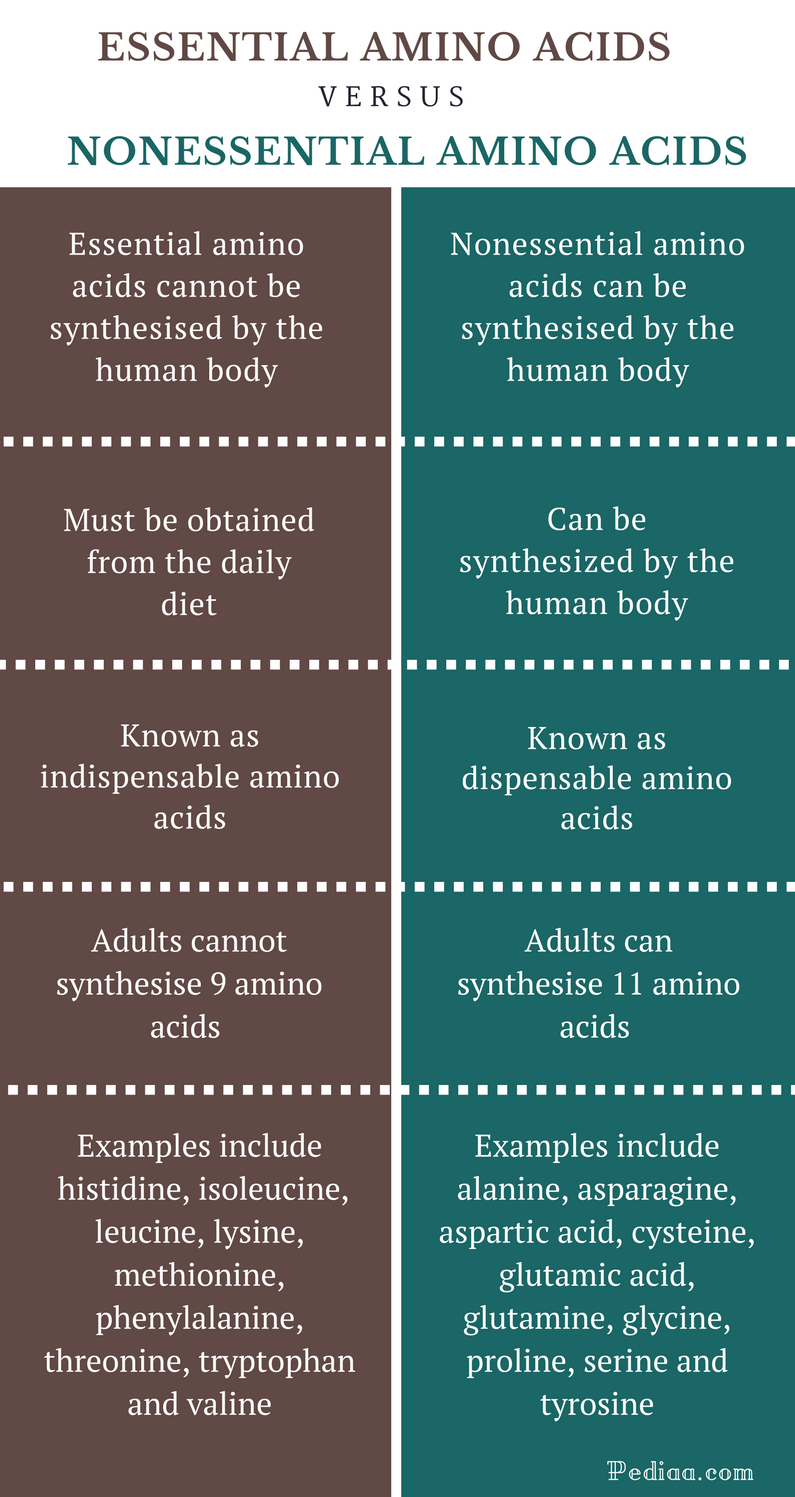
Essential amino acids are those that the body is unable to synthesize. These must be sourced entirely from food. There are nine such amino acids: histidine, isoleucine, leucine, lysine, methionine, phenylalanine, threonine, tryptophan, and valine.
Non-essential amino acids are those the body can produce independently, meaning they do not necessarily need to be consumed through the diet to maintain health.
A third category, conditional amino acids, typically falls under the non-essential group but can become essential during specific circumstances, such as periods of severe illness or intense physical stress, when the body’s demand exceeds its production capacity.
Biological Roles and Systemic Functions
Beyond their role in forming proteins, amino acids perform a wide array of specialized tasks that ensure the body operates efficiently. One of their primary functions is the repair and construction of tissues, including the development of muscles and the maintenance of skin integrity.

Amino acids are also integral to the biochemical signaling of the body. They are the precursors for:
- Enzymes: Proteins that act as catalysts to speed up chemical reactions necessary for metabolism.
- Hormones: Chemical messengers that coordinate activities between different organs, and systems.
- Neurotransmitters: Molecules that enable communication between neurons in the brain.
while the body prefers to use carbohydrates and fats for fuel, amino acids can be utilized as an alternative energy source when other fuel reserves are depleted.
Sourcing Amino Acids Through Diet
The availability of amino acids in the diet depends on the type of protein consumed. Nutritionists distinguish between complete and incomplete proteins based on their amino acid profiles.

Complete proteins provide all nine essential amino acids in sufficient quantities. These are most commonly found in animal-based foods, such as meat, fish, eggs, and dairy products, as well as certain plant-based sources like soy.
Incomplete proteins lack one or more of the essential amino acids. These are typically found in plant-based sources, including legumes, nuts, and seeds. However, individuals can obtain a full spectrum of essential amino acids by consuming a variety of these incomplete protein sources throughout the day.
