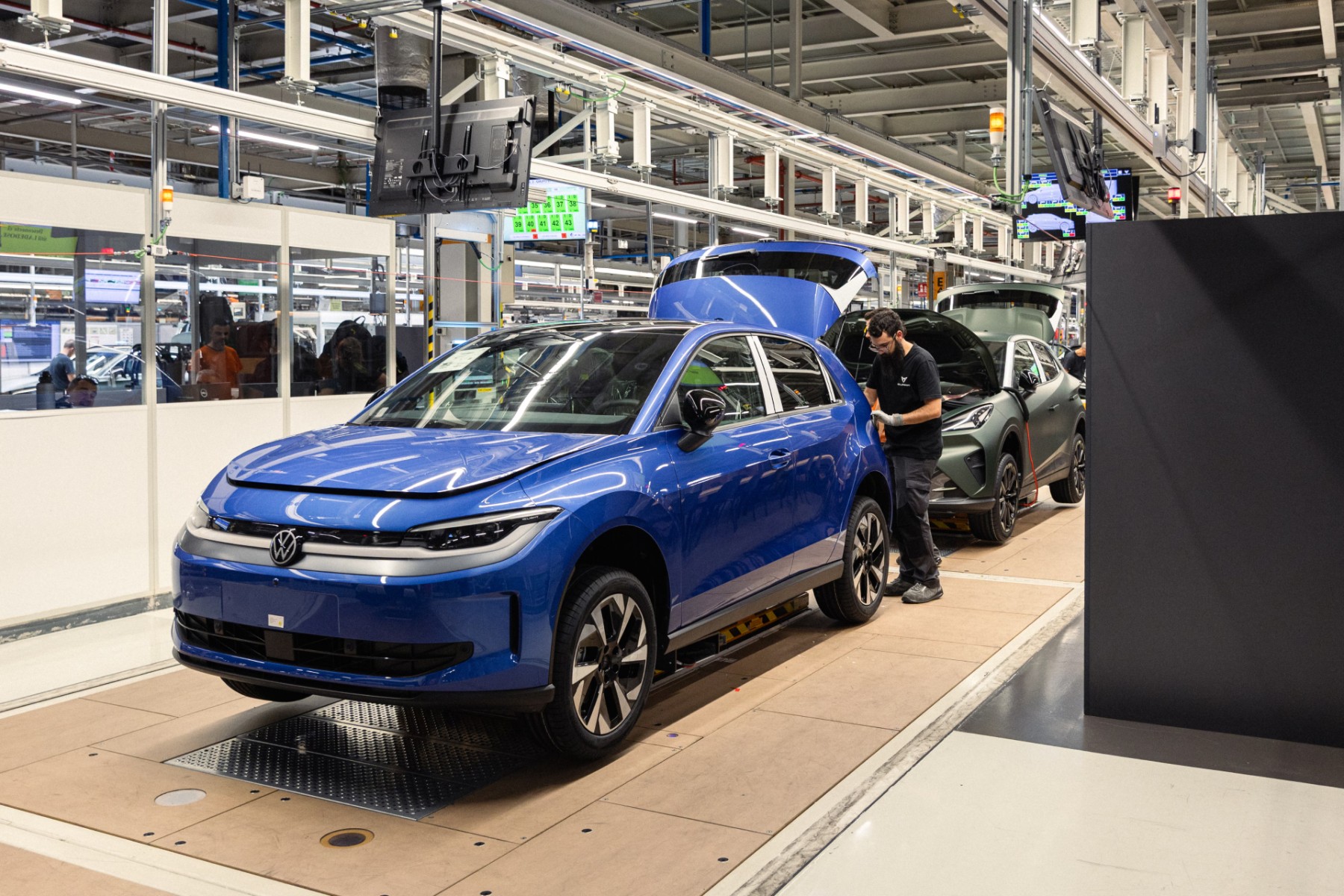
Volkswagen Launches Mass Production of ID. Polo and Cupra Raval: A New Chapter in Electric Mobility
In a landmark move for the automotive industry, Volkswagen has officially begun full-scale production of two electric vehicles at the SEAT & CUPRA plant in Martorell, Spain. The ID. Polo and Cupra Raval are set to redefine urban mobility, signaling a strategic shift toward electrification and positioning the automaker at the forefront of Europe’s green transformation. This development has sparked widespread interest among consumers, investors, and environmental advocates, raising questions about the future of electric vehicles (EVs) and their role in global sustainability efforts.
The Models: Innovation Meets Accessibility
The ID. Polo and Cupra Raval represent Volkswagen’s latest efforts to make electric mobility accessible to a broader audience. The ID. Polo, a compact hatchback, is designed to appeal to city dwellers seeking an affordable, eco-friendly alternative to traditional combustion engines. Meanwhile, the Cupra Raval, a sportier variant, targets younger, tech-savvy buyers who prioritize performance, and design. Both models leverage Volkswagen’s Modular Electric Drive Matrix (MEB) platform, which allows for scalable production and optimized battery efficiency.
Key features of the ID. Polo include a range of up to 300 kilometers on a single charge, rapid charging capabilities, and a minimalist interior emphasizing digital connectivity. The Cupra Raval, boasts a more aggressive design, enhanced performance metrics, and advanced driver-assistance systems. These models are not just about sustainability. they aim to challenge perceptions of electric vehicles as utilitarian rather than aspirational.
The Production Hub: Martorell’s Role in the EV Revolution
The SEAT & CUPRA plant in Martorell has long been a cornerstone of Volkswagen Group’s manufacturing network. Originally established in the 1990s, the facility has evolved to accommodate the brand’s transition to electric mobility. By launching the ID. Polo and Cupra Raval here, Volkswagen is leveraging the plant’s existing infrastructure while investing in cutting-edge technologies such as automated assembly lines and energy-efficient processes.
The decision to center production in Spain also reflects broader strategic considerations. The country’s growing EV market, supported by government incentives and a robust charging infrastructure, provides a favorable environment for these models. Martorell’s proximity to key European markets reduces logistics costs and carbon footprints, aligning with Volkswagen’s commitment to environmental responsibility.
Why This Matters: A Shift in the Automotive Landscape
Volkswagen’s move underscores the accelerating pace of electrification across the European automotive sector. With the European Union’s stringent emissions targets and the increasing demand for zero-emission vehicles, manufacturers are under pressure to innovate rapidly. The ID. Polo and Cupra Raval are part of a broader portfolio of electric models that Volkswagen plans to roll out in the coming years, including the ID.4 and ID.7.
This development also highlights the competitive dynamics within the EV market. Traditional automakers like Volkswagen are racing against startups such as Rivian and Tesla, as well as Asian rivals like BYD and NIO. By introducing affordable, high-performance models, Volkswagen aims to capture market share while addressing consumer concerns about range, charging infrastructure, and cost.
Industry Reactions and Expert Perspectives
The announcement has drawn mixed reactions from industry experts and analysts. Some praise Volkswagen’s commitment to scaling EV production, noting that mass manufacturing is crucial for reducing costs and making electric vehicles more competitive. “The success of the ID. Polo and Cupra Raval will depend on their ability to balance innovation with affordability,” said Dr. Lena Müller, a mobility analyst at the Institute for Sustainable Transportation. “If Volkswagen can achieve this, it could set a benchmark for the entire industry.”
Others, however, question whether these models will be enough to counter the dominance of established EV players. “While the MEB platform is a strong asset, the market is becoming increasingly crowded,” said Marcus Green, an automotive consultant. “Volkswagen needs to differentiate its offerings through unique features and customer service to stand out.”
Environmental and Economic Implications
The environmental benefits of the ID. Polo and Cupra Raval are significant. Electric vehicles produce zero tailpipe emissions,
