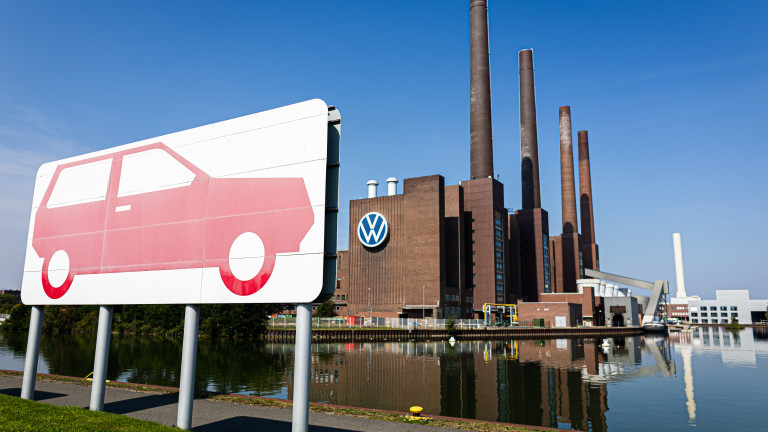
Volkswagen Group intends to reduce its workforce by 50,000 positions by 2030 as top management warns that the company’s existence is currently threatened, according to reports from BTA and other local news outlets. The drastic measures are part of a survival strategy intended to keep the automotive giant viable amidst intensifying market pressures.
- Job Reductions: 50,000 positions to be cut by 2030.
- Management Stance: Executives admit the company’s survival is at risk.
- Strategy: A drastic restructuring plan described as the company’s last hope.
Why is Volkswagen cutting 50,000 jobs?
According to the Bulgarian News Agency (BTA), the Volkswagen Group is on track to eliminate 50,000 jobs by 2030. This workforce reduction is part of a broader restructuring effort to lower operational costs. Local media reports, including those from Money.bg, characterize this “brutal plan” as the final remaining hope for the company to stabilize its financial position.
What do executives say about the company’s survival?
Leadership at Volkswagen has moved from cautious optimism to public admissions of crisis. According to reports from Eurocom, Investor.bg, and Fakti.bg, top managers have explicitly stated that the company is on the brink of survival.
The existence of the giant is threatened.
This admission marks a significant shift in tone, signaling that internal challenges have reached a critical threshold that threatens the long-term viability of the organization.
How does this impact the automotive market?
The scale of the planned cuts—50,000 employees over the next several years—highlights the volatility currently facing traditional automotive manufacturers. While some reports focus on the immediate loss of jobs, others, such as those from Investor.bg, frame the situation as an existential struggle. The contrast between the “brutal” nature of the cuts and the “threatened existence” of the company suggests that management views these layoffs not as a choice for efficiency, but as a necessity for survival.
