US-Iran Talks Advance: JD Vance Calls for ‘Strong Framework’ as Nuclear Inspections Return
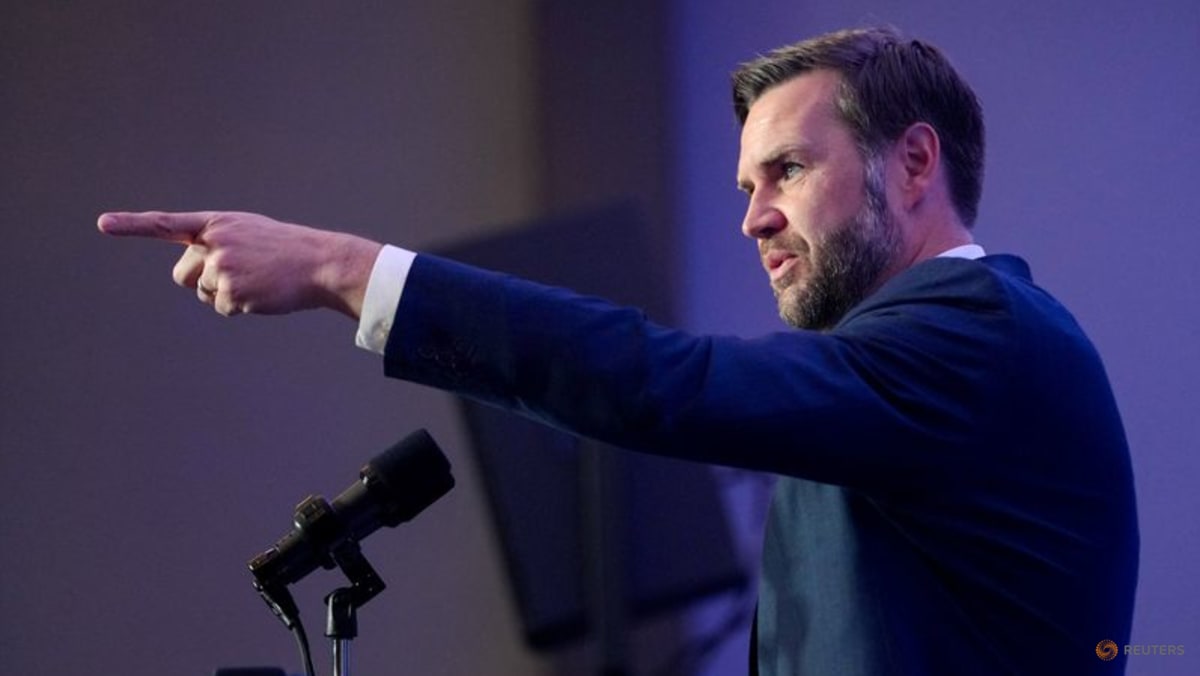
WASHINGTON — Senior U.S. officials have signaled progress in indirect negotiations with Iran, with Republican Senator JD Vance describing recent discussions as having established a “strong foundation” for a potential nuclear agreement. According to statements from multiple diplomatic sources, Iran has reportedly agreed to allow United Nations nuclear inspectors to return to key facilities—a critical step toward reviving the 2015 Joint Comprehensive Plan of Action (JCPOA).
The developments come as tensions in the Middle East remain high, with regional powers closely monitoring any shift in Iran’s nuclear posture. While Vance’s comments suggest cautious optimism, analysts warn that hurdles—including sanctions relief and verification protocols—remain before a final deal could be reached.
Key takeaways:
- Iran has reportedly agreed to reinstate UN nuclear inspections, a major demand from Western powers.
- Senator JD Vance called the talks a “good foundation,” but stressed that “significant work” remains.
- Regional allies like Israel and Saudi Arabia are likely to scrutinize any agreement closely.
- Economic and political pressures on both sides could influence the pace of negotiations.
—
What Happened in the Latest US-Iran Talks?
Sources familiar with the negotiations—conducted through intermediaries in Oman—confirm that Iran has taken steps to ease restrictions on international inspectors. The move follows months of stalled diplomacy, during which Iran had limited access to its nuclear sites, citing concerns over U.S. sanctions enforcement.
According to a senior administration official speaking on condition of anonymity, the discussions centered on three core issues:
- Nuclear inspections: Iran’s willingness to allow the International Atomic Energy Agency (IAEA) back into facilities like Fordow and Natanz, where past inspections had been restricted.
- Sanctions relief: The U.S. and its allies are seeking assurances that Iran will not escalate its nuclear program while negotiations proceed.
- Regional security: Concerns over Iran’s support for proxy groups in Yemen, Syria, and Lebanon remain a sticking point.
Vance, who has emerged as a key voice on foreign policy in the U.S. Senate, framed the talks as a “step forward” but emphasized that “no final deal is guaranteed.” His remarks align with those of other lawmakers who have called for a balanced approach—acknowledging the risks of Iran’s nuclear ambitions while avoiding unilateral escalation.
Timeline of recent developments:
| Date | Event | Key Outcome |
|---|---|---|
| January 2024 | Indirect talks resume in Oman | First substantive discussions since 2022 |
| March 2024 | Iran restricts IAEA inspections | Western powers demand reinstatement |
| June 2024 | Reported agreement on inspections | Vance calls talks a “good foundation” |
—
Who Is Involved—and What Are Their Positions?
The negotiations involve a complex web of stakeholders, each with distinct interests:
United States
The Biden administration has sought to revive the JCPOA while maintaining pressure on Iran’s regional activities. Key figures include:
- JD Vance (R-OH): A vocal critic of the 2015 deal, Vance has framed his support for talks as a pragmatic step to prevent further nuclear proliferation. His comments suggest he is open to a revised agreement but will push for stricter verification measures.
- National Security Advisor Jake Sullivan: Reportedly leading the U.S. side in indirect talks, Sullivan has emphasized the need for “mutual concessions” to avoid a breakdown.
Iran
Tehran’s position is shaped by economic isolation and domestic political pressures. Iranian officials have stated that any revival of the JCPOA must include:

- Full lifting of U.S. sanctions, particularly those targeting oil exports and financial transactions.
- Guarantees that future U.S. administrations will not unilaterally withdraw from the deal.
- A phased approach to inspections, with gradual reintegration of monitoring mechanisms.
Hardline factions within Iran’s government, including elements of the Islamic Revolutionary Guard Corps (IRGC), have resisted concessions, arguing that past negotiations led to broken promises.
Regional Powers
Countries like Israel and Saudi Arabia have expressed skepticism, viewing any nuclear deal as a strategic setback. Israeli officials have privately warned that Iran’s past violations of the JCPOA—such as exceeding uranium enrichment limits—could repeat under a new agreement.
Meanwhile, China and Russia, both JCPOA signatories, have urged restraint, arguing that renewed sanctions could destabilize the region further.
—
Why Do These Talks Matter—and What Could Go Wrong?
The potential revival of the JCPOA carries significant implications for global security, energy markets, and Middle East stability. Here’s why this moment is critical:
A Nuclear Proliferation Risk
Iran’s nuclear program has advanced since the 2015 deal collapsed in 2018. Satellite imagery and IAEA reports indicate that Tehran has:
- Expanded uranium enrichment capabilities, including advanced centrifuges.
- Stockpiled enriched uranium beyond JCPOA limits.
- Developed ballistic missile technology, raising concerns about delivery systems.
Without a deal, Iran could accelerate its program, increasing the risk of a nuclear-armed state in the region—a scenario that has alarmed both the U.S. and Israel.
Economic Leverage
A successful agreement could unlock billions in frozen Iranian assets and revive oil exports, potentially boosting global energy supplies at a time of tight markets. However, the U.S. faces political constraints:
- Congressional Republicans, including Vance, may oppose sanctions relief without ironclad guarantees.
- The International Energy Agency (IEA) has warned that Iranian oil returning to the market could depress prices, hurting Gulf producers like Saudi Arabia.
Regional Power Dynamics
Any deal could reshape alliances in the Middle East:
- Israel: Likely to increase military aid requests from the U.S. and push for preemptive strikes if inspections are deemed insufficient.
- Saudi Arabia: May seek deeper ties with the U.S. as a counterbalance to Iranian influence, possibly leading to normalized relations.
- Yemen and Syria: Proxy conflicts could escalate if Iran perceives the U.S. as weakening its regional position.
Potential pitfalls:
“The biggest risk is not just the substance of the deal, but the perception of it. If Iran sees this as a temporary pause rather than a permanent resolution, they may continue advancing their program in secret.”
—
How Do Vance’s Comments Fit Into the Broader Debate?
Vance’s cautious optimism reflects a shift in U.S. political discourse on Iran. While Democrats and some Republicans previously dismissed talks as futile, his stance suggests a growing recognition that:
- Diplomacy may be the only viable path to prevent Iran from acquiring nuclear weapons without resorting to military action.
- Public opinion is shifting—polls show a majority of Americans support negotiations, even among conservatives.
- Congressional opposition is hardening—any deal will require bipartisan support, making Vance’s role pivotal.
His comments also contrast with those of former President Donald Trump, who called the JCPOA a “disaster” and imposed “maximum pressure” sanctions. Trump’s allies in Congress have signaled they would block any revival of the deal without major revisions.
Comparison of key positions:
| Stakeholder | Position on Talks | Key Demand |
|---|---|---|
| JD Vance | Supportive but cautious | Stronger verification, no snapback of sanctions |
| Biden Administration | Pro-diplomacy | Revival of JCPOA with adjustments |
| Iran | Willing to negotiate | Full sanctions relief, no U.S. withdrawal |
| Israel | Strongly opposed | Prevent any Iranian nuclear capability |
—
What Happens Next—and What Should Readers Watch For?
The coming weeks will be critical in determining whether the talks lead to a breakthrough or stall. Key milestones to monitor:
1. IAEA Inspections
The IAEA must verify Iran’s compliance with inspection protocols. Delays or restrictions could derail progress. Watch for:
- Official statements from IAEA Director General Rafael Grossi.
- Satellite imagery of Iranian nuclear sites.
2. U.S. Domestic Politics
Congress will scrutinize any deal, particularly if it involves sanctions relief. Watch for:
- Vance’s potential legislative moves to block or amend the agreement.
- Statements from House Speaker Mike Johnson (R-LA) on Iran policy.
3. Regional Reactions
Israel and Saudi Arabia may respond with military or diplomatic measures. Watch for:
- Israeli airstrikes in Syria or Iran.
- Saudi normalization talks with Iran.
4. Economic Signals
Markets will react to any signs of a deal. Watch for:
- Oil price movements in response to potential Iranian oil exports.
- Stockpile reports on Iranian uranium enrichment.
—
Frequently Asked Questions About the US-Iran Talks
What is the JCPOA, and why did it collapse?
The Joint Comprehensive Plan of Action (JCPOA), signed in 2015, limited Iran’s nuclear program in exchange for sanctions relief. It unraveled in 2018 when then-President Trump withdrew the U.S. and reimposed sanctions, arguing Iran had violated the spirit of the deal.
Could a new deal prevent Iran from getting nuclear weapons?
Experts say no deal is foolproof. The original JCPOA did not address Iran’s missile program or regional activities. A new agreement would need stricter inspection regimes and enforcement mechanisms to ensure compliance.
What role does JD Vance play in these negotiations?
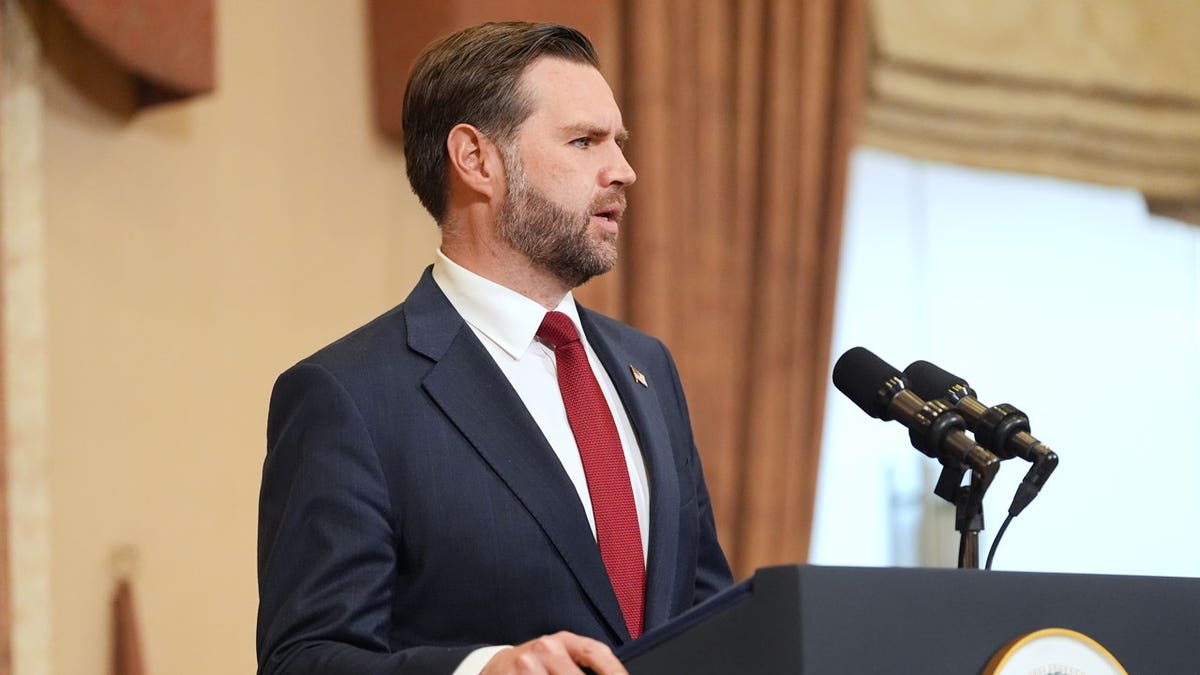
As a senior Senate Republican, Vance’s support is crucial for any deal to gain bipartisan approval. His comments suggest he is open to diplomacy but will push for safeguards against Iranian violations.
How might Israel react to a potential deal?
Israel has historically opposed any nuclear agreement with Iran, viewing it as a strategic threat. Prime Minister Benjamin Netanyahu has warned that Israel will take “all necessary steps” to prevent Iran from acquiring nuclear weapons.
What are the biggest obstacles to a final agreement?
The three main hurdles are:
- Sanctions relief: The U.S. is unlikely to fully lift sanctions without ironclad guarantees.
- Verification: Past inspections were criticized for being too lenient.
- Regional security: Iran’s support for proxy groups remains a contentious issue.
Could the talks collapse before a deal is reached?
Yes. Past negotiations have failed due to distrust, miscommunication, and shifting political priorities. The current talks are no exception—any misstep could lead to a breakdown.
