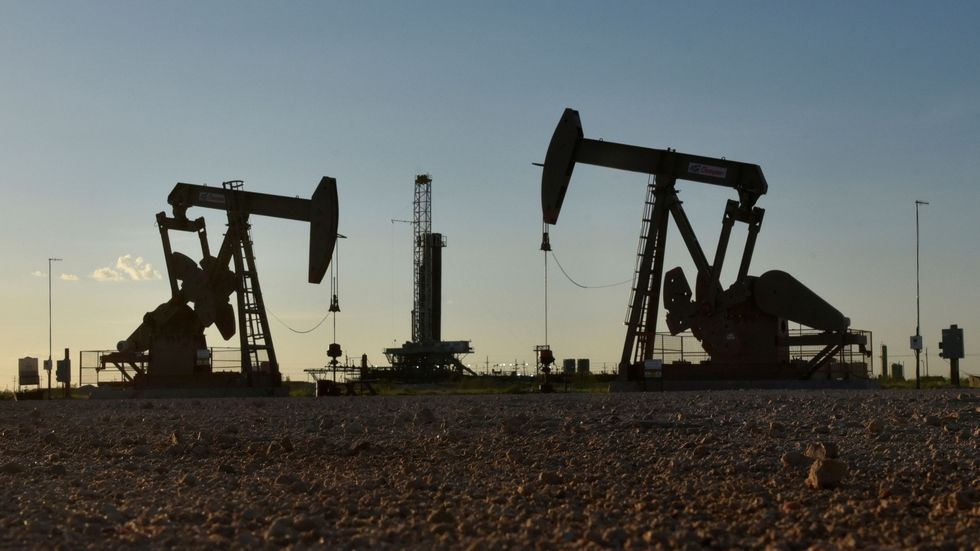
The United States has maintained its position as the world’s largest oil exporter for three consecutive months, according to reports from Vietnam.vn. This sustained lead in global crude exports is driven by geopolitical instability and ongoing conflicts, specifically heightened tensions in the Persian Gulf, according to Novinky and Kurzy.cz.
How Geopolitical Tensions Fueled Record Exports
The U.S. surge to the top of the global oil export market is not merely a result of production capacity but a reaction to global volatility. According to Novinky and Kurzy.cz, war conflicts and instability in the Persian Gulf have disrupted traditional supply chains, allowing the U.S. to fill the resulting void in the international market.
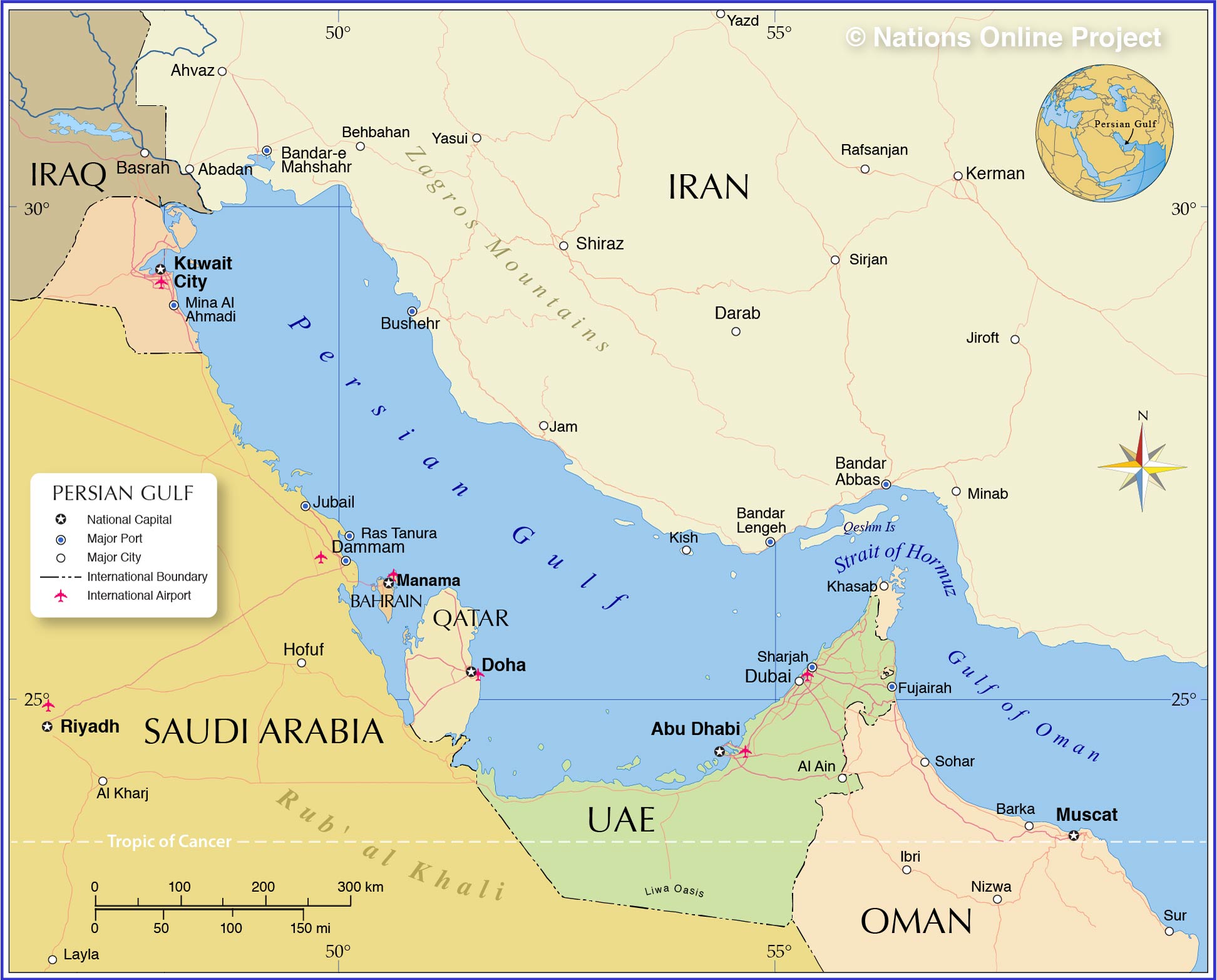
This shift reflects a broader trend where buyers seek energy security by diversifying away from volatile regions. By leveraging its domestic production, the U.S. has turned geopolitical risk in the Middle East into a competitive advantage for its energy sector.
April Trade Balance and Market Expectations
The boost in energy exports coincides with a slight improvement in the broader U.S. trade position. According to FXstreet.cz, the U.S. trade balance for April recorded a deficit of $55.9 billion.
This figure outperformed market forecasts, which had predicted a larger deficit of $56.1 billion. While the overall trade balance remains in a deficit, the record-breaking oil exports act as a critical offset, reducing the gap between what the U.S. imports and exports.
Economic Impact of the Export Shift
The transition of the U.S. into the world’s leading oil exporter alters the dynamics of global energy pricing and diplomatic leverage. When the U.S. leads in exports, it reduces the ability of other major oil-producing blocs to unilaterally dictate global prices.
For the domestic economy, these record exports contribute to the trade balance and support the energy industry’s infrastructure. However, the reliance on foreign conflict to drive demand indicates that the U.S. market position is currently sensitive to the stability of the Persian Gulf.
