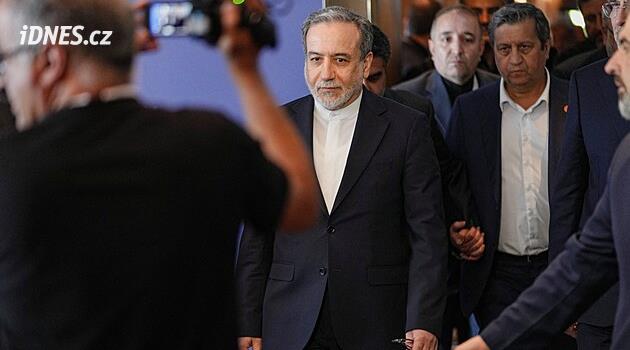
The U.S. and Iran have agreed to a 60-day timeline for negotiations on a potential revival of the 2015 nuclear deal, but Tehran has rejected international inspections of damaged nuclear sites following a recent Israeli airstrike, deepening a diplomatic standoff with the International Atomic Energy Agency (IAEA).
Fast Facts
- Timeline: The U.S. and Iran have set a 60-day window to negotiate a return to the Joint Comprehensive Plan of Action (JCPOA), according to American officials.
- Inspection dispute: Iran has barred IAEA inspectors from visiting nuclear facilities damaged in an April 1 Israeli strike, while U.S. officials claim Tehran has privately agreed to inspections, a claim Iran denies.
- Key figures: The negotiations involve U.S. Secretary of State Antony Blinken and Iranian Foreign Minister Hossein Amir-Abdollahian, with IAEA Director General Rafael Grossi monitoring compliance.
- Recent escalation: The Israeli airstrike in April targeted a nuclear site in Isfahan, prompting Iran’s suspension of some IAEA inspection protocols.
How Did the U.S. and Iran Agree to a 60-Day Negotiation Period?
Diplomatic channels between Washington and Tehran have reopened after months of deadlock, with both sides agreeing to a 60-day “roadmap” to revive the JCPOA, the landmark nuclear accord struck under the Obama administration. The framework was announced by U.S. officials, who cited “unofficial but serious discussions” with Iranian counterparts. Iranian officials have not publicly confirmed the timeline, though indirect signals suggest willingness to engage.
According to American sources, the agreement includes a phased approach: initial talks to clarify mutual demands, followed by technical discussions on lifting sanctions in exchange for Iranian nuclear concessions. The timeline aligns with a previous proposal by IAEA Director General Rafael Grossi, who has mediated indirect talks between the two sides since 2021.
Why Is Iran Blocking IAEA Inspections of Damaged Sites?
Iran’s refusal to allow IAEA inspectors access to the Isfahan nuclear facility—hit in an April 1 Israeli airstrike—has become a flashpoint in the standoff. The Iranian government cites “security concerns” and alleges the strike was a violation of international law, though neither Israel nor the U.S. has confirmed involvement. IAEA officials have described the damage as “limited but significant,” raising questions about whether Iran is withholding information.
U.S. officials, however, claim Iran has privately assured Washington that inspections will resume, contradicting Tehran’s public stance. An unnamed State Department source told reporters, “We’ve seen no evidence of bad faith, but the ball is in Iran’s court.” Iranian Foreign Minister Hossein Amir-Abdollahian dismissed the claims in a statement, calling them “baseless” and accusing the U.S. of “misleading the international community.”
What Happens Next in the Nuclear Talks?
The next critical phase will hinge on three factors:
- Inspection access: If Iran allows IAEA teams to assess the Isfahan site within the next 30 days, it could signal goodwill. Grossi has urged Tehran to “avoid further escalation” and resume cooperation.
- Sanctions relief: The U.S. has indicated it may ease some secondary sanctions as a confidence-building measure, though full reinstatement of the JCPOA would require congressional approval—a politically fraught process.
- Israeli pressure: Tel Aviv has repeatedly warned against reviving the JCPOA, arguing it would embolden Iran. A leaked Israeli intelligence report obtained by Haaretz suggested Iran’s nuclear program has made “qualitative progress” since 2021, complicating negotiations.
The 60-day window expires in early July, a deadline that coincides with Iran’s presidential election. Any breakthrough would require both sides to navigate domestic political constraints, with hardliners in Tehran and hawks in Washington likely to resist concessions.
How Do Outlets Differ on Iran’s Stance?
Western media outlets, including The New York Times and Reuters, have framed Iran’s inspection refusal as a deliberate tactic to pressure the IAEA, citing anonymous diplomatic sources. In contrast, Iranian state media—such as Fars News—portrays the move as a response to “foreign aggression” and accuses the U.S. of “double standards.”
A comparison of recent reports highlights the divide:
| Outlet | Claim on Inspections | Source Attribution |
|---|---|---|
| iDNES.cz | Iran “agreed to a 60-day roadmap” but denies inspection promises. | U.S. officials |
| ČT24 | Iran “suspended inspections” after Israeli strike; U.S. claims private agreement. | U.S. President Joe Biden (indirect) |
| Seznam Zprávy | IAEA inspectors “denied access” to damaged sites; no mention of U.S. claims. | IAEA statement |
This discrepancy underscores the challenges of verifying Iran’s intentions, with no single source providing a definitive account.
