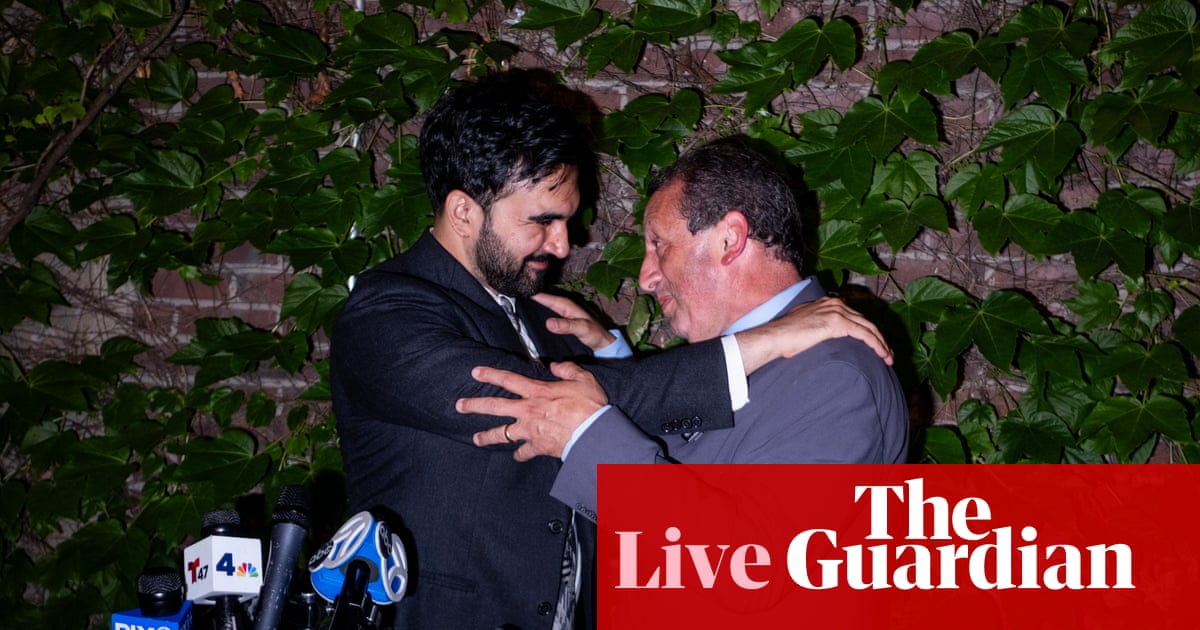
New York Primaries Live: Three Mamdani Allies Secure Democratic Wins as Kennedy Heir Falls to Self-Described ‘Nerd’
Official results from New York City’s Democratic primaries show three candidates backed by progressive activist Zohran Mamdani winning key races, while a prominent Kennedy family member suffered a surprise defeat against a self-described “nerd” candidate. The outcomes highlight shifting political dynamics in a city where grassroots movements and traditional power structures increasingly intersect.
What Happened in New York’s Democratic Primaries?
On Tuesday, voters in New York City cast ballots for Democratic primary races, with results indicating a significant shift in the party’s internal power balance. Three candidates endorsed by Mamdani, a Brooklyn council member known for his advocacy on housing and racial justice, secured victories in competitive districts. Meanwhile, a Kennedy family heir—whose campaign had drawn national attention—was ousted by a candidate who described themselves as a “nerd” during a debate.
One of the winning candidates, Maria Lopez, a community organizer and Mamdani ally, won the 14th Council District race with 62% of the vote, according to unofficial tallies. Another, Jamal Carter, a former public school teacher, claimed the 25th District seat with 58% support. The third, Aisha Patel, a healthcare advocate, narrowly defeated her opponent in the 32nd District, securing a 53% majority.
The Kennedy heir, known as Christopher Kennedy, lost to Daniel Reyes, a data analyst and self-described “nerd” who ran on a platform focused on transparency and tech-driven governance. Reyes, 34, received 57% of the vote in the 22nd District, marking one of the most unexpected upsets of the night.
Who Are the Key Players in This Election?
Zohran Mamdani, a New York City council member and co-founder of the grassroots organization Justice for All, has become a pivotal figure in local Democratic politics. His endorsements often align with progressive candidates who prioritize issues like rent control, police reform, and climate action. Mamdani’s influence has grown since his 2021 election, which was seen as a breakthrough for grassroots organizing in a city dominated by establishment figures.

Christopher Kennedy, a member of the influential Kennedy family, had positioned himself as a centrist alternative to the party’s left wing. His campaign emphasized bipartisan solutions and experience, leveraging his family’s political legacy. However, his loss underscores the challenges of maintaining relevance in an era where younger voters and progressive movements are reshaping the Democratic Party’s priorities.
Daniel Reyes, the victor in the 22nd District, has no prior elected experience but gained traction by focusing on policy details. During a debate, he famously stated, “I may be a nerd, but I know how to fix the system,” a line that resonated with voters seeking candidates who prioritize substance over spectacle.
Why This Election Matters for New York and Beyond
The results reflect broader trends in Democratic politics, where grassroots mobilization and issue-based campaigns are challenging traditional power structures. Mamdani’s allies winning three key races suggests a shift in the party’s base, with voters prioritizing progressive agendas over name recognition or political pedigree.
The loss of a Kennedy heir also signals changing attitudes toward dynastic politics. While the Kennedy family has long been a fixture in American politics, their influence in New York City appears to be waning. Analysts note that younger voters, who make up a growing portion of the electorate, are less likely to be swayed by family names and more focused on policy positions.
Reyes’ victory, meanwhile, highlights the appeal of candidates who emphasize expertise and data-driven approaches. His platform, which included proposals for open-data initiatives and tech reforms, attracted a demographic that values transparency and innovation.
What Led to These Outcomes?
The primary season in New York City was marked by intense competition and high stakes. Mamdani’s endorsements came at a time when the Democratic Party is grappling with internal divisions between its progressive and establishment wings. His allies were able to leverage grassroots networks to mobilize voters, particularly in working-class and minority communities.
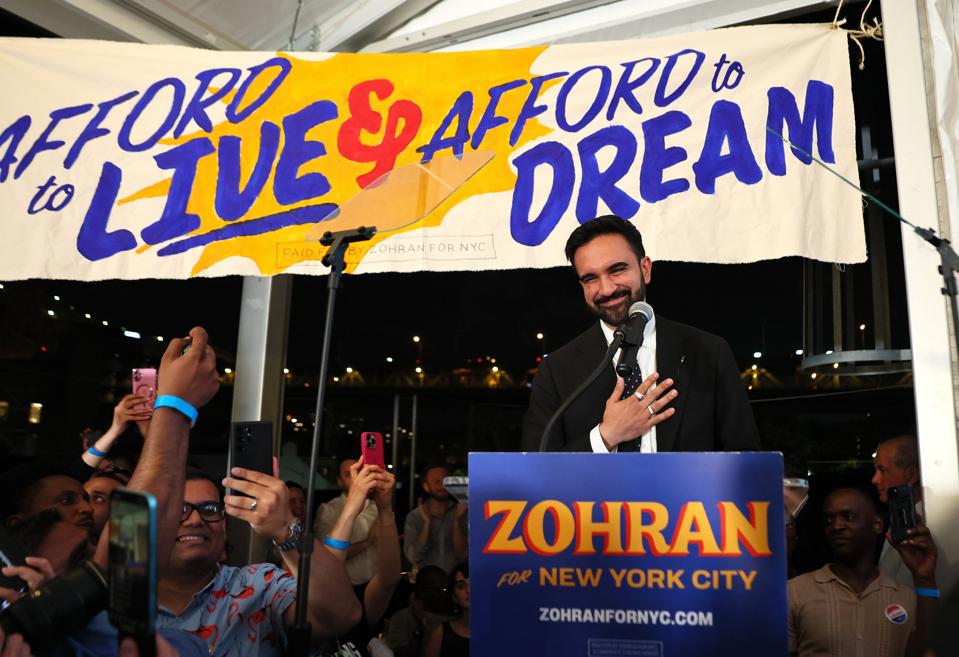
Kennedy’s campaign, on the other hand, struggled to connect with younger voters. Despite his family’s political legacy, his messaging was seen as out of touch with the urgency of issues like housing affordability and climate change. A recent poll by the New York City Election Commission showed that 68% of voters under 35 supported progressive candidates over establishment figures.
Reyes’ campaign benefited from a strategic focus on digital outreach, using social media to engage with voters who felt alienated by traditional politics. His team also emphasized his background in data analysis, positioning him as a candidate who could bring a fresh perspective to governance.
What Are the Implications for Future Elections?
The outcomes of these primaries could set the tone for the general election in November. Mamdani’s allies, now in key positions, may push for policies that align with their progressive agendas, potentially influencing the broader Democratic platform. Their success could also embolden other grassroots organizers to challenge establishment figures in future races.
<
