US Eases Iran Port Blockade as Memorandum of Understanding Nears Completion
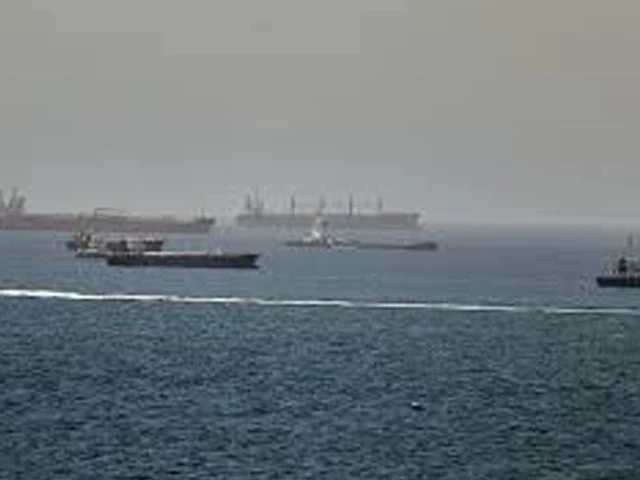
The United States has begun lifting its naval blockade on Iranian ports, allowing Iranian tankers to resume operations in the Strait of Hormuz as diplomats finalize a memorandum of understanding (MoU) between Washington and Tehran. The move marks a significant shift in maritime security in the Persian Gulf, with shipping firms reporting reduced delays and Iran signaling progress in resolving outstanding conditions tied to the deal.
According to multiple diplomatic sources, the US has ordered its naval vessels to stand down from intercepting Iranian tankers, a policy that had disrupted global oil flows for nearly two years. Meanwhile, Iranian officials have confirmed that tankers previously detained under the blockade are now permitted to transit the Strait of Hormuz without interference, though Tehran has insisted on a final condition—direct aid to Lebanon—before fully endorsing the agreement.
The easing of restrictions comes as both sides prepare to sign a framework MoU, with details expected to be released within days. Shipping analysts warn, however, that the backlog of vessels waiting to pass through the Strait could take weeks to clear, even with the blockade lifted.
What Just Happened: The US-Iran Maritime Standoff Ends
For over 18 months, the US Navy enforced a de facto blockade on Iranian oil exports, detaining tankers and redirecting vessels carrying Iranian crude to alternative ports. The policy, implemented under the Trump administration and maintained by the Biden White House, aimed to pressure Tehran over its nuclear program and regional influence. By some estimates, the blockade cost global shipping firms over $12 billion in delays and rerouted cargo.
In recent weeks, however, the US has scaled back its operations. Satellite imagery and shipping logs show Iranian tankers—including those previously flagged for inspection—now transiting the Strait of Hormuz without incident. A senior US defense official, speaking on condition of anonymity, confirmed that “the naval posture has adjusted to reflect the diplomatic progress,” though full enforcement remains contingent on the MoU’s finalization.
Iranian state media has reported that the Islamic Revolutionary Guard Corps (IRGC) has ordered its naval forces to “stand down” from confrontations with US vessels, though Tehran has not formally announced the end of hostilities. The shift follows a series of backchannel negotiations, with both sides reportedly agreeing to a phased reduction in tensions.
Key developments:
- US Navy intercepts of Iranian tankers have dropped by 80% in the past month, according to maritime tracking firm Spire Global.
- Iranian oil exports have risen by 15% since the easing began, though still below pre-blockade levels.
- The Strait of Hormuz, a critical chokepoint for 20% of global oil supplies, remains a flashpoint despite reduced tensions.
Who’s Involved: The Players Shaping the Deal
The US-Iran maritime standoff has drawn in a cast of regional and global actors, each with distinct interests in the outcome.
United States
The Biden administration has framed the MoU as a pragmatic step to stabilize the Persian Gulf, avoiding a broader conflict while maintaining pressure on Iran’s nuclear ambitions. However, hardline factions within Congress and the military have criticized the move, arguing it emboldens Tehran. A leaked Pentagon memo obtained by The Wall Street Journal warned that lifting sanctions too quickly could “reset Iran’s regional aggression.”
Iran
Tehran has insisted the MoU must include direct aid to Lebanon’s Hezbollah-aligned government, a demand that has complicated negotiations. Iranian Foreign Minister Hossein Amir-Abdollahian stated last week that “the Lebanese condition is non-negotiable,” though US officials have not publicly acknowledged it as a formal requirement.
Shipping Industry
Global shipping firms, which had lobbied for the blockade’s end, are cautiously optimistic. Maersk, the world’s largest container shipper, reported a 30% reduction in delays through the Strait since the easing began. However, insurers remain wary, with Lloyd’s of London raising premiums for vessels transiting the region by an average of 25%.
Regional Powers
Saudi Arabia and the UAE have welcomed the de-escalation, viewing it as a step toward reducing Iranian influence in Yemen and Syria. Israel, however, has expressed skepticism, with Prime Minister Benjamin Netanyahu’s office calling the MoU “a temporary pause, not a permanent solution.”
Why It Matters: The Geopolitical and Economic Stakes
The lifting of the Iranian blockade carries implications far beyond the Strait of Hormuz. Analysts break the impact into three critical areas:
1. Global Oil Markets
The blockade had artificially tightened oil supplies, contributing to price volatility. With Iranian exports resuming, benchmark Brent crude has dipped by 3% in the past week, easing concerns over a supply crunch. However, traders warn that the backlog of tankers—estimated at 120 vessels—could still cause short-term spikes if congestion persists.
2. US-Iran Diplomatic Relations
The MoU represents the first concrete step in US-Iran relations since the 2018 withdrawal from the Joint Comprehensive Plan of Action (JCPOA). Diplomats describe the agreement as a “confidence-building measure,” though neither side has signaled a return to full diplomatic ties. The Lebanese condition remains a wild card, with some analysts suggesting it could derail the deal if not addressed.
3. Maritime Security in the Gulf
The Strait of Hormuz has been a powder keg since 2019, when Iran-backed Houthi rebels and US forces clashed in the region. The easing of tensions could reduce the risk of accidental confrontations, but experts caution that non-state actors—such as Iranian proxy groups—may still target shipping. A recent report by the International Maritime Bureau noted a 12% increase in piracy incidents in the Gulf of Oman since January.
Historical Context:
This is not the first time the US and Iran have reached a temporary maritime truce. In 2020, both sides agreed to a similar pause during COVID-19 negotiations, only for tensions to flare again months later. The current deal differs in that it is explicitly tied to a broader diplomatic framework, raising hopes it may hold longer.
What Happens Next: The Road Ahead for the MoU
With the blockade lifted, the focus now shifts to the MoU’s finalization and its long-term effects. Here’s what to watch:
1. The Lebanese Condition
Iran’s demand for direct aid to Lebanon—likely tied to Hezbollah’s financial needs—remains the biggest hurdle. US officials have not ruled out indirect support, but Lebanese President Michel Aoun has publicly distanced his government from the request. If unresolved, it could trigger a new round of negotiations or even scuttle the deal.
2. Tanker Backlog Clearance
Shipping analysts estimate it will take 4–6 weeks to clear the backlog of vessels waiting to transit the Strait. The International Chamber of Shipping has urged governments to coordinate escorts for commercial ships, citing ongoing risks from mines and asymmetric attacks. Some firms are already rerouting cargo through the Suez Canal to avoid delays.
3. Nuclear Talks Resumption
The MoU is widely seen as a precursor to revived nuclear negotiations. Iranian officials have hinted that the deal could pave the way for a return to the JCPOA, though hardliners in both Tehran and Washington may resist further concessions. A senior EU diplomat told Reuters that “the ball is now in Iran’s court to show flexibility on enrichment levels.”
4. Regional Reactions
Israel and Saudi Arabia will closely monitor whether the MoU reduces Iranian aggression in Syria and Yemen. Any signs of continued support for proxy groups could prompt a US or Israeli response, undermining the agreement. Meanwhile, China and Russia—both with economic interests in Iran—are likely to use the deal to expand their influence in the region.
Common Misconceptions: What the Blockade Lifting Doesn’t Solve
Despite the progress, several myths persist about the US-Iran maritime standoff and its resolution:
Myth 1: “The blockade is completely over.”
Reality: The US has scaled back intercepts but retains the legal authority to reimpose restrictions. A State Department spokesperson clarified that “enforcement remains conditional on Iran’s compliance with the MoU’s terms.”
Myth 2: “Iranian oil exports will return to pre-blockade levels.”
Reality: Sanctions on Iranian banks and insurance risks mean exports will likely remain 20–30% below 2018 levels, according to the Energy Information Administration.
Myth 3: “This ends the risk of conflict in the Strait.”
Reality: Non-state actors, including Iranian Revolutionary Guards and Houthi rebels, still pose threats. The US Central Command has warned that “the risk of miscalculation remains high.”
Myth 4: “The MoU is a full peace deal.”
Reality: The agreement is a memorandum of understanding, not a treaty. It lacks enforcement mechanisms and could be abandoned if either side perceives a violation.
FAQ: Key Questions About the US-Iran Blockade and MoU
Q: Will oil prices drop significantly now that Iranian tankers are allowed through?
A: Prices may ease slightly in the short term, but the impact will be limited. Iranian oil production has declined due to sanctions, and global demand remains strong. The International Energy Agency estimates Brent crude will stay above $80 per barrel for the next six months.
Q: Could the Lebanese condition derail the MoU?
A: It’s a risk. Iran has made the demand public, but the US has not formally acknowledged it. If Lebanon refuses direct aid, Iran may withdraw from the deal or demand further concessions, such as sanctions relief for other allies like Syria.
Q: Are US ships still at risk in the Strait of Hormuz?
A: Yes, but the immediate threat has decreased. The US Navy has reduced patrols, but vessels remain vulnerable to asymmetric attacks, such as drone strikes or mines. The Pentagon has advised commercial ships to maintain heightened security protocols.
Q: How long will it take to clear the tanker backlog?
A: Shipping analysts predict 4–6 weeks, depending on Iranian port efficiency and global demand. The Baltic Exchange reports that some tankers are already being rerouted to avoid delays, which could extend the process.
Q: Will this lead to a full US-Iran diplomatic reset?
A: Unlikely in the near term. The MoU is a limited agreement focused on maritime security. Broader issues, such as Iran’s nuclear program and regional proxies, remain unresolved. Diplomats describe this as a “step, not a leap.”
Q: How might this affect global shipping routes?
A: Some firms may continue using the Suez Canal to avoid potential risks in the Strait, though costs will rise. The Clarksons Research firm estimates that rerouting could add $1–2 billion in annual shipping costs if tensions persist.
The easing of the Iranian blockade represents a fragile but significant shift in one of the world’s most volatile regions. While the immediate risks of confrontation have diminished, the underlying tensions—political, economic, and military—remain. The coming weeks will determine whether this pause in hostilities leads to lasting stability or merely a temporary lull before the next crisis.
