:watermark(https://f.pmo.ee//logos/4132/d583334e07b643b158b745b655f05032.png,-2p,-2p,0,18,none):format(webp)/nginx/o/2026/04/16/17565588t1ha97a.jpg "17565588t1ha97a.jpg")
Diplomatic talks between the U.S. and Iran to end the Middle East conflict will take place in a Swiss resort town, with officials signaling a fragile but critical effort to halt escalating tensions before they spiral into open warfare.
According to multiple reports, the negotiations—scheduled to conclude with a formal agreement—come as Iranian oil tankers have resumed movement through the Strait of Hormuz, a development confirmed by the White House. The U.S. has also acknowledged that Israel could face heightened risks of direct confrontation, with some analysts warning that any miscalculation could trigger a broader regional war.
Why These Talks Matter
The proposed ceasefire agreement, if finalized, would mark the first major diplomatic breakthrough between Washington and Tehran since the 2018 withdrawal from the Joint Comprehensive Plan of Action (JCPOA). The talks follow weeks of heightened military posturing, including Iranian threats to retaliate against Israeli strikes on its proxy forces in Syria and Iraq, and U.S. warnings that Iran’s nuclear advancements could soon reach a “red line.”
Yet skepticism lingers. The Center for International Policy (CIP), a Washington-based think tank, has questioned Iran’s willingness to compromise on its nuclear program, citing recent statements from Iranian officials that suggest Tehran may only agree to limited concessions on regional conflicts—such as scaling back support for militias in Yemen and Lebanon—rather than curbing its enrichment activities.
Key Developments and Contrasting Reports
While the White House has framed the talks as a potential turning point, some reports paint a more cautious picture. A Latvian media outlet, DelfiMedijs, cited CIP Director Tareq Yousef warning that “war will resume sooner or later,” adding that Israel’s military options—including torpedo attacks—could still force Iran into a direct response. Meanwhile, the Trump administration’s announcement that Iranian tankers have resumed transit through the Strait of Hormuz suggests a partial easing of tensions, though it does not signal an end to broader sanctions.
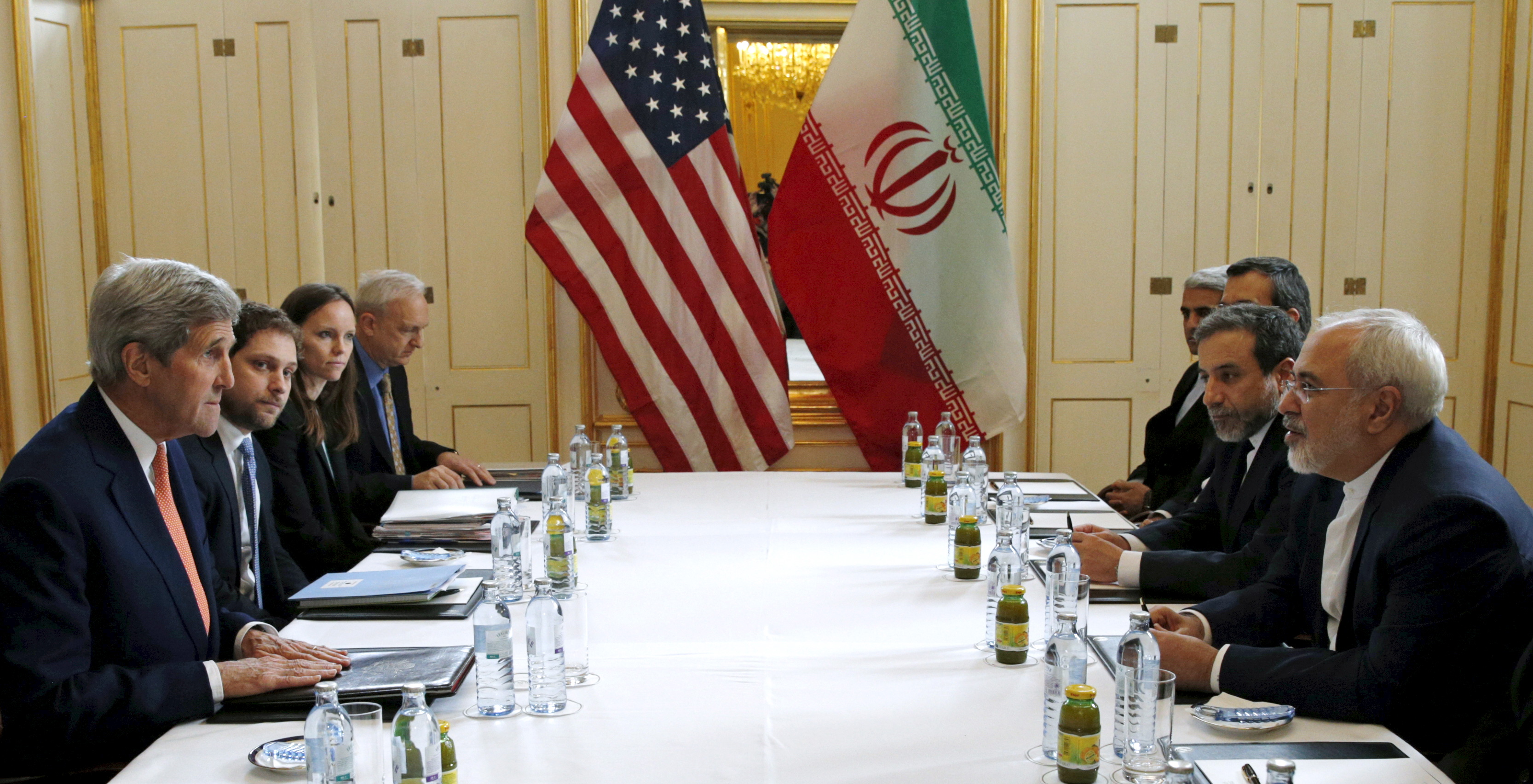
Comparing the two perspectives:
- Optimistic view (U.S. officials): Talks in Switzerland represent a genuine effort to de-escalate, with oil movements through Hormuz as a sign of progress.
- Skeptical view (CIP): Iran remains unwilling to address its nuclear program, and military actions—such as Israeli strikes—could derail any agreement.
What Happens Next?
The next critical phase will hinge on whether the talks produce a written agreement. If successful, the deal would likely include:
- A temporary halt to Iranian-backed militia attacks on U.S. forces in Iraq and Syria.
- Limited Iranian concessions on regional proxies, though no immediate rollback of nuclear activities.
- Possible sanctions relief, though full reinstatement of the JCPOA remains unlikely without broader regional security guarantees.
However, the timeline remains uncertain. One report suggests the talks could conclude within days, while others indicate delays are probable given Iran’s insistence on a phased approach. The White House has not confirmed a final date, but officials have stressed that any agreement must include verifiable steps to prevent further escalation.
Regional and Global Implications
The talks carry significant weight beyond the U.S.-Iran dynamic. Saudi Arabia, a key U.S. ally, has signaled cautious optimism but has not yet committed to engaging with Tehran directly. Meanwhile, Israel’s government, which has not been part of the negotiations, has reportedly increased its military readiness in anticipation of potential Iranian retaliation for recent strikes.

Historically, such agreements have proven fragile. The 2015 JCPOA collapsed under U.S. sanctions in 2018, and subsequent indirect talks in Oman and Iraq failed to produce lasting results. If this round of negotiations succeeds, it could set a precedent for future diplomacy—but only if both sides adhere to the terms. If it fails, the risk of direct conflict between Israel and Iran, or even broader regional war, will rise sharply.
For now, the focus remains on Switzerland, where diplomats are racing against time to turn temporary pauses into a sustainable peace.
