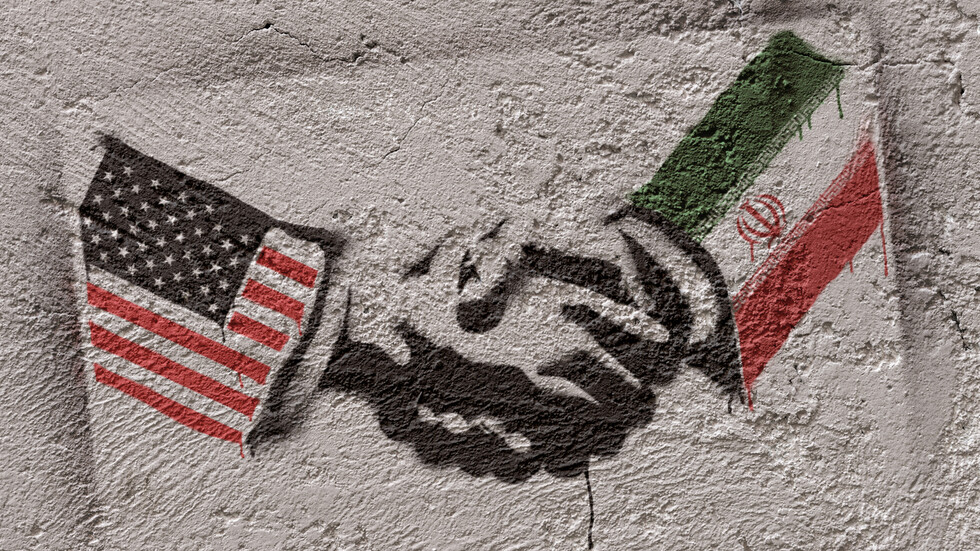
A fragile diplomatic effort between the United States and Iran has emerged as a potential turning point in the decades-old rivalry, according to multiple regional reports. While conflicting statements from both sides complicate the narrative, the prospect of renewed negotiations has drawn attention from global observers monitoring the Middle East’s volatile dynamics.
What Led to the Recent Developments?
Reports from local media outlets indicate that a “peaceful agreement” has been reached between U.S. and Iranian officials, though details remain sparse. Iranian military officials reportedly dismissed President Donald Trump’s earlier assertion that a deal would be finalized by Sunday, emphasizing instead that Tehran would not accept “unilateral terms.” The statements come amid heightened tensions following a series of military and diplomatic exchanges between the two nations.
A senior Iranian military source, quoted by News.bg, claimed that “Iranian forces have neutralized threats from Israel and the U.S.,” a statement that has yet to be independently verified. The claim aligns with broader Iranian rhetoric about countering regional adversaries, though it raises questions about the current state of military readiness and strategic priorities.
How Does This Affect Regional Stability?
The potential for U.S.-Iran negotiations has significant implications for the broader Middle East. Analysts note that the U.S. withdrawal from a “less popular war” — a reference to ongoing conflicts in the region — could reshape power balances. However, the lack of clarity on the terms of any agreement leaves uncertainty about its long-term viability.
Regional actors, including Gulf states and European allies, have expressed cautious optimism. A statement from an unnamed European diplomatic source suggested that “a de-escalation in U.S.-Iran tensions would provide much-needed stability for the region.” Nonetheless, the absence of a confirmed framework for dialogue means the situation remains precarious.
What’s Next for U.S.-Iran Relations?
As of now, no official confirmation of the agreement has been released by either the U.S. or Iranian governments. The U.S. Department of State has not commented on the reports, while Iranian officials have focused on military posturing rather than diplomatic overtures. The next steps will likely depend on whether both sides can reconcile their conflicting narratives and move toward a concrete negotiation process.
For now, the situation remains a test of whether diplomatic channels can prevail over entrenched hostilities. The coming days will be critical in determining whether this moment marks a genuine shift or another episode in a long-standing cycle of tension and uncertainty.
