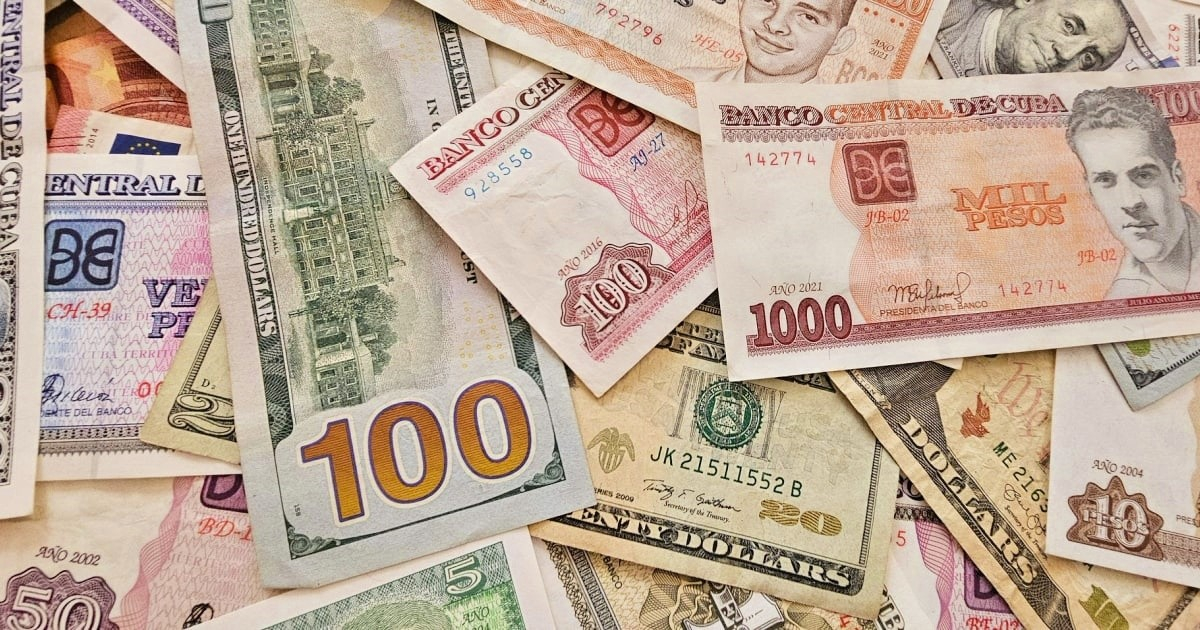
The Cuban peso continued its decline amid rising inflation and currency controls, with the U.S. dollar reaching 670 Cuban pesos on June 19, according to local media reports. The sharp increase in foreign currency prices has intensified economic pressure on Cuban citizens, who face soaring costs for basic goods and limited access to stable exchange rates.
Economic strain and currency volatility have become central issues as the Cuban Communist Party (PCC) faces mounting criticism for its economic policies. Officials have pledged to address the crisis, but analysts note that measures announced earlier this year have failed to stabilize the market. The peso’s depreciation has been exacerbated by shortages of essential imports, including fuel and food, which rely heavily on foreign currency reserves.
Impact on Daily Life and Inflation
Residents report that the cost of everyday items has surged, with some goods priced at levels that outpace salary increases. For example, a month’s supply of basic groceries now requires nearly half of the average monthly wage, according to a June 19 report by Cuballama. The price of coal, a critical heating resource, has also risen sharply, with one ton costing approximately 500 pesos—nearly half of the minimum monthly salary.
The government’s introduction of a new state-owned bank card denominated in U.S. dollars has drawn mixed reactions. While the card aims to provide a stable alternative to the volatile peso, critics argue it is flawed and inaccessible to most citizens. “The card is a symbolic gesture, not a solution,” said a Havana-based economist, who spoke on condition of anonymity due to the sensitive nature of the topic.
International Reactions and Regional Implications
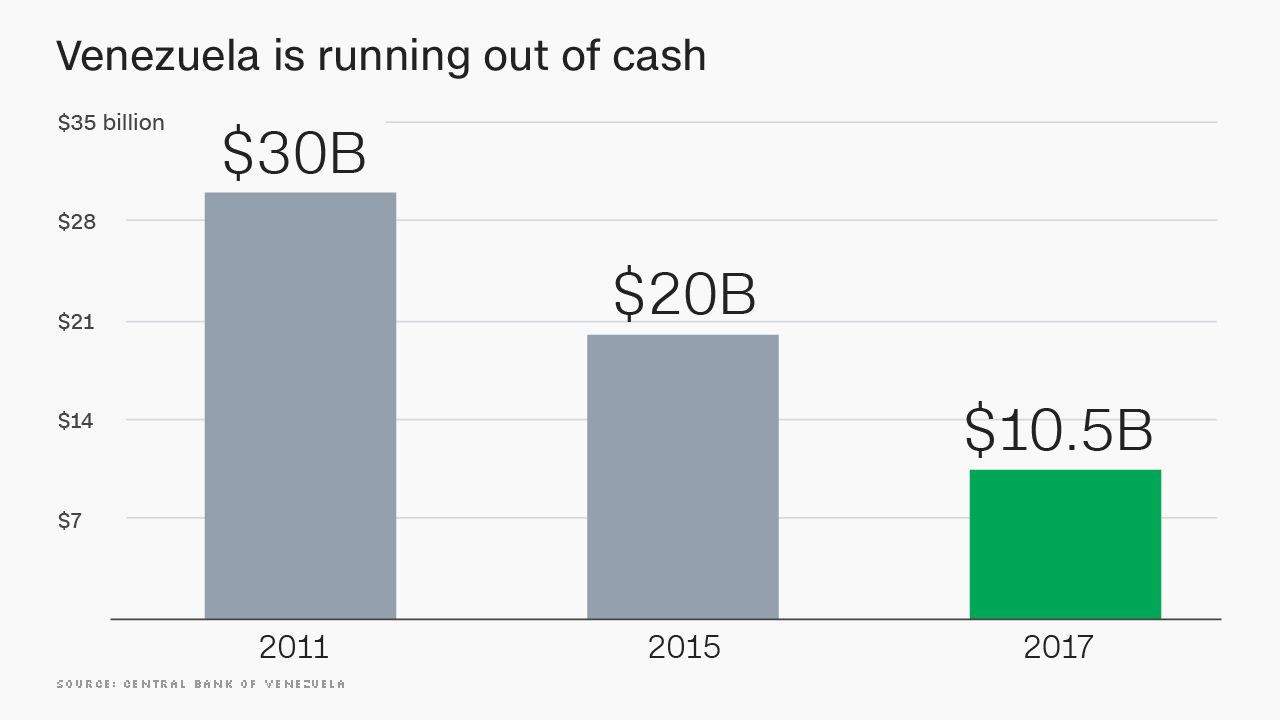
The economic turmoil in Cuba has drawn attention from regional partners and international observers. Neighboring countries, including Venezuela and Nicaragua, have expressed solidarity with Havana, though their own economic challenges limit direct support. The United States, which maintains strict trade sanctions against Cuba, has not commented publicly on the latest developments.
Regional analysts highlight the broader implications of Cuba’s crisis. “A destabilized Cuban economy could strain relations with Latin American allies and complicate regional trade agreements,” said Dr. Maria Gonzalez, a political scientist at the University of Havana. “The PCC’s ability to implement reforms will determine whether the situation escalates further.”
As of June 19, the Cuban Central Bank reported that the MLC, a parallel currency used for international transactions, remained at 1.05 pesos per dollar, reflecting ongoing disparities between official and black-market exchange rates. The gap underscores the challenges of maintaining economic stability in a context of prolonged sanctions and limited foreign investment.
What’s Next
Officials have indicated that additional economic measures may be announced in the coming weeks, though details remain unclear. The PCC has emphasized the need for austerity and fiscal discipline, while opposition groups and civil society organizations continue to demand more transparent and inclusive policy reforms. The coming months will test the government’s capacity to address the crisis without further eroding public trust.
