
Proposed US Hercules Repair Hub in West Java Sparks Debate on What Indonesia Stands to Gain and Lose
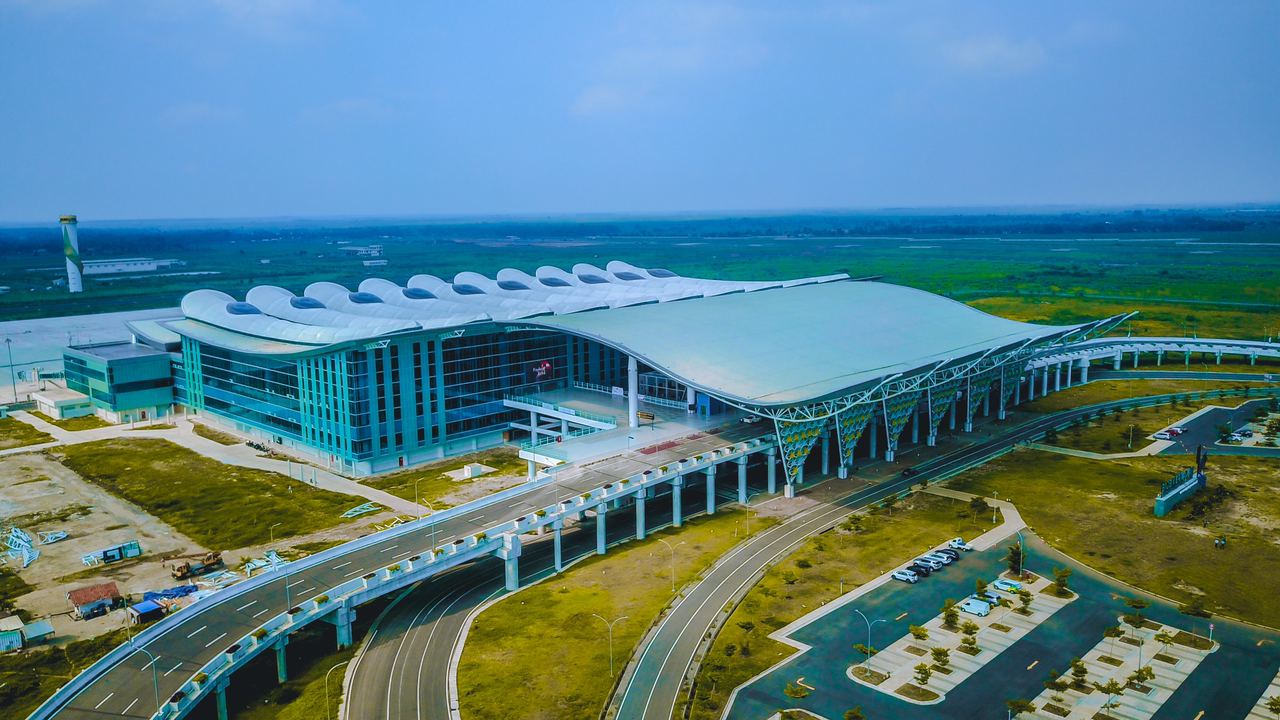
The Indonesian Air Force (TNI AU) is backing the development of a regional Maintenance, Repair, and Overhaul (MRO) hub for C-130 Hercules aircraft at Kertajati International Airport in West Java. This proposed facility, which would involve cooperation with U.S. partners, aims to centralize aircraft maintenance for the region but has triggered a domestic debate over national sovereignty and strategic dependence on the United States, according to reports from CNA and The Jakarta Post.
What is the Proposed C-130 Hercules MRO Hub in West Java?
The proposal centers on transforming Kertajati International Airport into a specialized center for the maintenance and repair of the Lockheed Martin C-130 Hercules, a tactical transport aircraft used extensively by the Indonesian military. According to ANTARA News, the Indonesian Air Force views Kertajati as the ideal location to establish a regional hub that could serve not only Indonesia’s own fleet but also other Hercules operators across Southeast Asia.
An MRO hub provides a comprehensive suite of services, including routine inspections, structural repairs, engine overhauls, and avionics upgrades. Currently, many high-level repairs for these aircraft require them to be sent to facilities outside of Indonesia, often back to the United States or other authorized regional centers. By establishing a local hub in West Java, the TNI AU intends to reduce aircraft downtime and lower the costs associated with transporting heavy aircraft for maintenance.
The project is not merely a technical upgrade but a strategic shift. By positioning Kertajati as a regional center, Indonesia seeks to transition from a consumer of aerospace services to a provider, potentially generating revenue from neighboring countries that operate the same aircraft platform.
Why the Indonesian Air Force Backs Kertajati International Airport
The selection of Kertajati International Airport is a calculated move to utilize an asset that has historically struggled with commercial traffic. The Indonesian Air Force believes that integrating a military-industrial complex into the airport’s ecosystem will provide the necessary activity to make the facility viable. According to ANTARA News, the TNI AU’s support for Kertajati stems from the airport’s capacity to handle large-scale aircraft operations and its strategic location within West Java.
The Air Force’s strategy focuses on three primary objectives:
- Operational Readiness: Reducing the time C-130s spend in transit for repairs ensures more aircraft are available for disaster relief, troop transport, and logistics.
- Technical Independence: Developing local expertise in Hercules maintenance reduces the immediate reliance on foreign technicians for every major overhaul.
- Economic Stimulation: The MRO hub is expected to create high-skilled jobs in West Java and attract ancillary aerospace businesses to the region.
The C-130 Hercules remains the “workhorse” of the Indonesian archipelago. Given Indonesia’s geography of thousands of islands, the ability to maintain these aircraft locally is viewed by military officials as a matter of operational necessity.
What Indonesia Stands to Gain from the US-Backed Hub
Proponents of the repair hub argue that the benefits are both economic and strategic. The primary gain is the transfer of technology and knowledge. A partnership with the U.S. and Lockheed Martin would allow Indonesian engineers to be trained in the latest maintenance protocols and diagnostic technologies.
Beyond the technical gains, the hub offers significant economic potential. If Indonesia successfully markets Kertajati as a regional MRO center, it could attract contracts from other ASEAN nations. This would turn a military necessity into a commercial asset, bringing foreign currency into the local economy.
The establishment of a regional MRO hub allows Indonesia to move up the value chain in the aerospace industry, shifting from basic maintenance to complex structural overhauls.
From a strategic standpoint, the hub strengthens defense ties with the United States. In an era of increasing tension in the Indo-Pacific, deepening military-technical cooperation with Washington is seen by some as a way to ensure a steady supply of parts and software updates for critical defense hardware.
To better understand the potential impact, the following table compares the current maintenance model with the proposed MRO hub model:
| Feature | Current Maintenance Model | Proposed Kertajati MRO Hub |
|---|---|---|
| Location of Major Repairs | Often overseas (U.S. or other hubs) | Local (West Java, Indonesia) |
| Aircraft Downtime | High (due to long-distance ferry flights) | Low (localized repair cycles) |
| Technical Expertise | Reliance on foreign contractors | Local capacity building & tech transfer |
| Economic Impact | Capital outflow for services | Potential revenue from regional clients |
Why the Proposal Sparks Sovereignty Concerns
Despite the technical and economic advantages, the plan has faced scrutiny. As reported by The Jakarta Post, critics argue that a U.S.-backed repair hub could compromise Indonesia’s national sovereignty. The primary concern is that the facility would create a “dependency trap,” where Indonesia becomes overly reliant on U.S. technical oversight and proprietary software.
Sovereignty concerns generally fall into three categories:
1. Strategic Autonomy
There is a fear that if the U.S. controls the primary maintenance hub for Indonesia’s most critical transport aircraft, it could use that leverage as a political tool. If diplomatic relations sour, the U.S. could theoretically restrict access to parts or technical support, effectively grounding a significant portion of the Indonesian Air Force’s transport capability.
2. Foreign Presence on Indonesian Soil
The presence of U.S. technicians and consultants at a military-linked facility in West Java raises questions about the extent of foreign influence within Indonesian defense infrastructure. Critics argue that this could lead to an “invisible” military presence that contradicts Indonesia’s traditional “free and active” (bebas dan aktif) foreign policy.

3. Data and Intelligence Security
Modern aircraft maintenance involves sophisticated digital diagnostics. Concerns have been raised regarding who owns the data generated during the repair process and whether the U.S. would have access to sensitive operational data regarding the TNI AU’s fleet readiness and usage patterns.
For more context on how Indonesia balances these relations, a related explainer on Indonesia’s non-aligned foreign policy may provide further insight.
The Role of the C-130 Hercules in Indonesia’s Defense Strategy
To understand why this debate is so intense, one must understand the importance of the C-130 Hercules to Indonesia. The aircraft is not just a military tool; it is a cornerstone of national stability. Indonesia frequently uses the Hercules for “Operation Military Beyond War” (OMPW), which includes:
- Disaster Relief: Delivering food, medicine, and personnel to remote areas after earthquakes or volcanic eruptions.
- Logistics: Transporting supplies to frontier regions to maintain territorial integrity.
- Medical Evacuations: Moving critically ill patients from remote islands to central hospitals.
Because the Hercules is so integral to both civilian and military life, any threat to its maintainability is viewed as a threat to national security. This explains why the TNI AU is so eager to secure a local MRO hub, but also why critics are so wary of the terms under which that hub is established.
Comparing Perspectives: Economic Gain vs. National Risk
The debate over the West Java hub reflects a broader tension within the Indonesian government between economic pragmatism and nationalist security concerns. While the Ministry of Defense and the TNI AU emphasize the efficiency and technical gains, political analysts and sovereignty advocates highlight the long-term risks of strategic dependence.

One point of contrast in the reporting is how the “regional hub” aspect is framed. ANTARA News focuses on the prestige and economic opportunity of becoming a Southeast Asian leader in aerospace MRO. In contrast, The Jakarta Post highlights the potential for this hub to become a focal point for foreign influence, suggesting that the “regional” aspect might serve U.S. interests in projecting power in the region as much as it serves Indonesian interests.
The tension can be summarized as a conflict between two different definitions of security:
- Operational Security: The belief that security comes from having a fully functional, well-maintained fleet of aircraft.
- Political Security: The belief that security comes from maintaining absolute autonomy and avoiding dependence on any single foreign power.
Potential Implications for U.S.-Indonesia Relations
The outcome of the Hercules hub proposal could serve as a bellwether for future defense cooperation between Jakarta and Washington. If the hub is established with strong safeguards for Indonesian sovereignty, it could pave the way for more complex defense partnerships, including the acquisition of advanced fighter jets or joint development of defense technology.
However, if the debate leads to the project’s cancellation or significant scaling back, it may signal a cooling of military ties or a shift toward diversifying defense partners (such as France or South Korea) to avoid the “dependency trap” associated with U.S. hardware.
Industry observers note that the U.S. is keen to maintain a strong footprint in Indonesia to counter growing Chinese influence in the region. By providing high-value technical support like an MRO hub, the U.S. can bind Indonesia’s military infrastructure to Western standards for decades to come.
Frequently Asked Questions
What is an MRO hub in the context of aircraft?
MRO stands for Maintenance, Repair, and Overhaul. An MRO hub is a specialized facility where aircraft undergo everything from routine oil changes and inspections to complete structural teardowns and engine replacements. For the C-130 Hercules, this includes ensuring the airframe is safe for flight and updating the navigation and communication systems.
Why is Kertajati International Airport being used for this?
Kertajati has struggled to attract enough commercial passengers to be fully viable. The Indonesian Air Force wants to use the airport’s existing infrastructure—such as its long runways and large hangars—to create a military-industrial center that provides the airport with a consistent purpose and economic activity.
What are the main risks of the proposed US-backed hub?
The primary risks involve national sovereignty and strategic dependence. Critics fear that if the U.S. controls the technical expertise and parts supply for Indonesia’s transport fleet, the U.S. could exert political pressure on Indonesia by threatening to withhold maintenance support.
How does this affect other countries in Southeast Asia?
If the hub becomes a regional center, other ASEAN countries that operate the C-130 Hercules could send their aircraft to West Java for repairs instead of flying them to the U.S. or Singapore. This would make Indonesia a central player in regional aviation logistics.
Is the C-130 Hercules still a modern aircraft?
Yes. While the basic design is old, the C-130 has undergone numerous upgrades (such as the C-130J variant). Its ability to land on short, unimproved runways makes it indispensable for the geography of Indonesia and other parts of Southeast Asia.
The progression of the Kertajati MRO project will depend on whether the Indonesian government can negotiate a deal that secures technical independence while accepting the partnership of the United States. As the TNI AU continues to push for the facility, the focus will likely shift toward the specific legal agreements and the level of local ownership the Indonesian government can demand.
