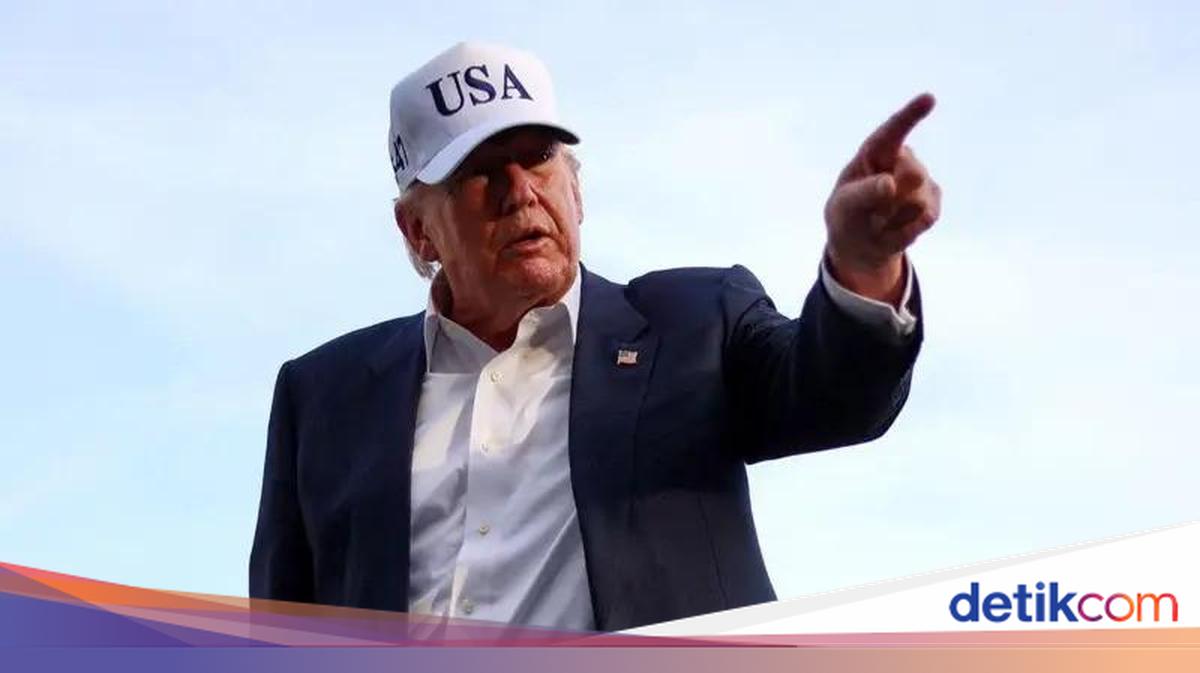
The U.S. House of Representatives has passed a resolution designed to restrict President Donald Trump from continuing military operations against Iran, marking a significant legislative challenge to the administration’s foreign policy in the Middle East.
- Action: Approval of a “War Powers Resolution” by the U.S. House of Representatives.
- Objective: To limit or halt ongoing U.S. Military action against Iran.
- Political Shift: Four members of the House who are allies of the president voted against him.
Legislative Constraints on Executive Power
The passage of the War Powers Resolution serves as a formal mechanism for Congress to rein in the executive branch’s ability to engage in prolonged military conflict without explicit legislative authorization. According to public statements and reports, the resolution is intended to create a legal obstacle for President Trump should he seek to escalate or maintain current military engagements with Iran.
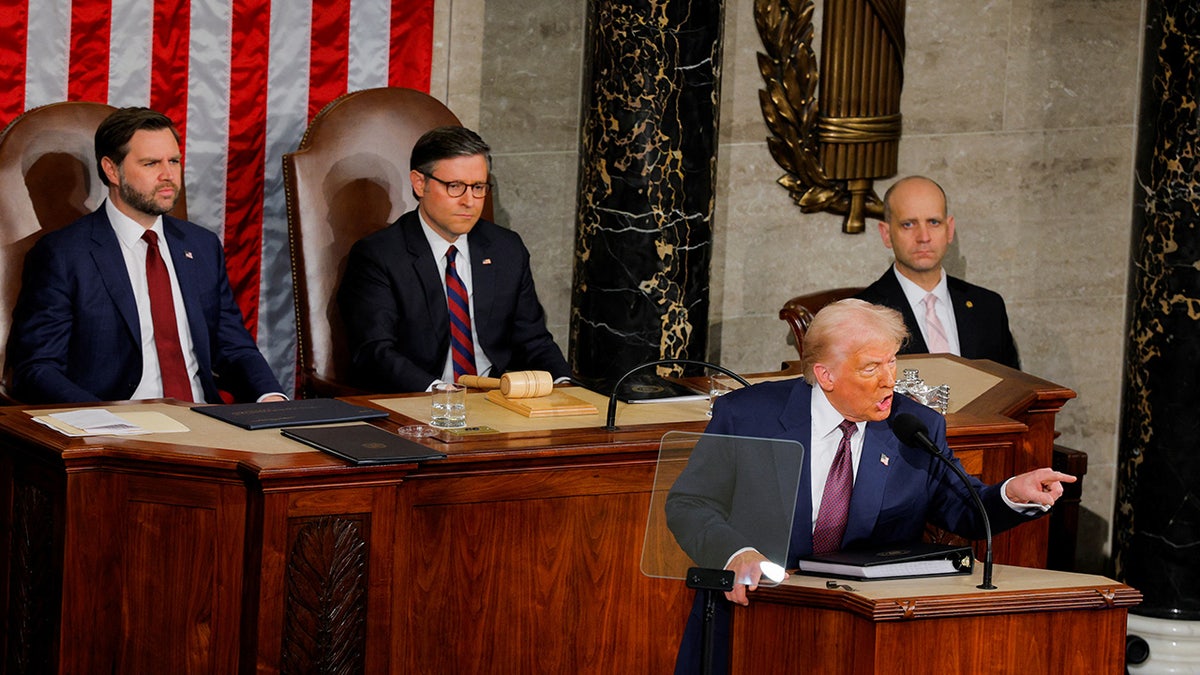
The move reflects a growing tension between the White House and congressional lawmakers over the strategic direction of U.S. Involvement in the region and the potential for wider conflict.
Internal Political Defections
The vote revealed unexpected fractures within the president’s own political coalition. In a move described by local media as a political blow to the administration, four members of the House who are considered allies of President Trump defected, voting in favor of the resolution to limit military action.
These defections suggest a shifting dynamic within the legislature, indicating that the president may no longer have unconditional support for his military strategy regarding Iran.
Regional and Global Implications
International observers note that the congressional decision to pass the resolution could have a direct impact on the trajectory of the conflict. By limiting the president’s autonomy in conducting military operations, the resolution may alter the diplomatic and military calculus between the United States and Iran.
The decision by Congress to intervene in war powers highlights the ongoing struggle to balance executive authority with legislative oversight in the management of high-stakes geopolitical tensions.
