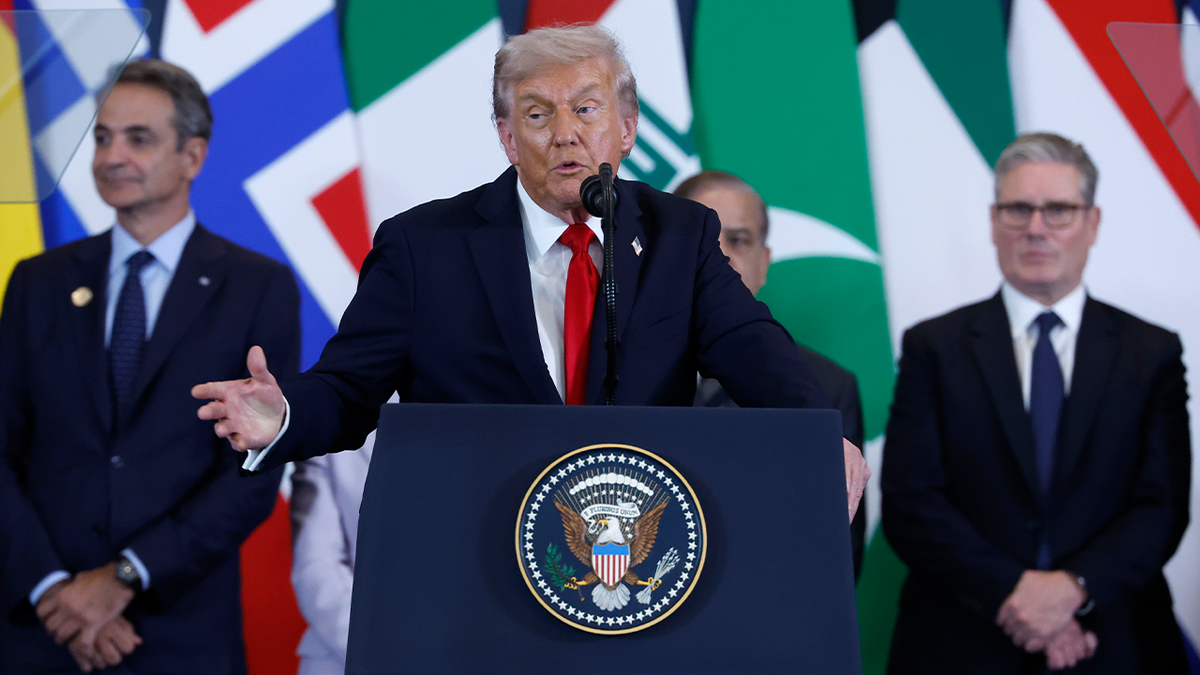
Donald Trump Signs Memo to Halt Escalation with Iran: Key Details and Implications
U.S. President Donald Trump has issued a directive aimed at de-escalating tensions with Iran, marking a pivotal shift in the decades-old conflict that has periodically threatened regional stability. The memo, disclosed by senior administration officials, outlines measures to prevent further military confrontation while addressing longstanding disputes over nuclear ambitions and geopolitical influence. The move comes amid heightened concerns over potential clashes in the Persian Gulf, particularly following recent incidents involving commercial shipping and military posturing.
What the Memo Entails: A Breakdown of the Key Provisions
The newly released document, described as a “framework for diplomatic engagement,” includes several critical components. According to a senior State Department official, the memo mandates a temporary pause in U.S. military operations near Iranian territory, including the withdrawal of certain assets from the Strait of Hormuz. It also directs the Department of Defense to initiate covert talks with Iranian representatives to explore confidence-building measures.
One of the most notable provisions is a commitment to revisit the 2015 Joint Comprehensive Plan of Action (JCPOA), the landmark nuclear deal that the Trump administration had abandoned in 2018. While the memo does not explicitly call for rejoining the agreement, it instructs the National Security Council to evaluate its potential for reactivation, contingent on Iran’s willingness to address U.S. concerns about its nuclear program.
Additionally, the memo directs the Treasury Department to review sanctions against Iranian entities, with a focus on alleviating humanitarian impacts on the Iranian population. This aligns with broader calls from international allies to balance pressure on Iran’s government with support for its citizens.
Who Is Involved: Key Stakeholders and Their Positions
The memo’s implementation involves a complex web of domestic and international actors. At the forefront are U.S. military commanders, who have been tasked with coordinating the redeployment of naval and air assets. The Department of Defense emphasized that the directive does not compromise national security but prioritizes “diplomatic solutions over unilateral action.”
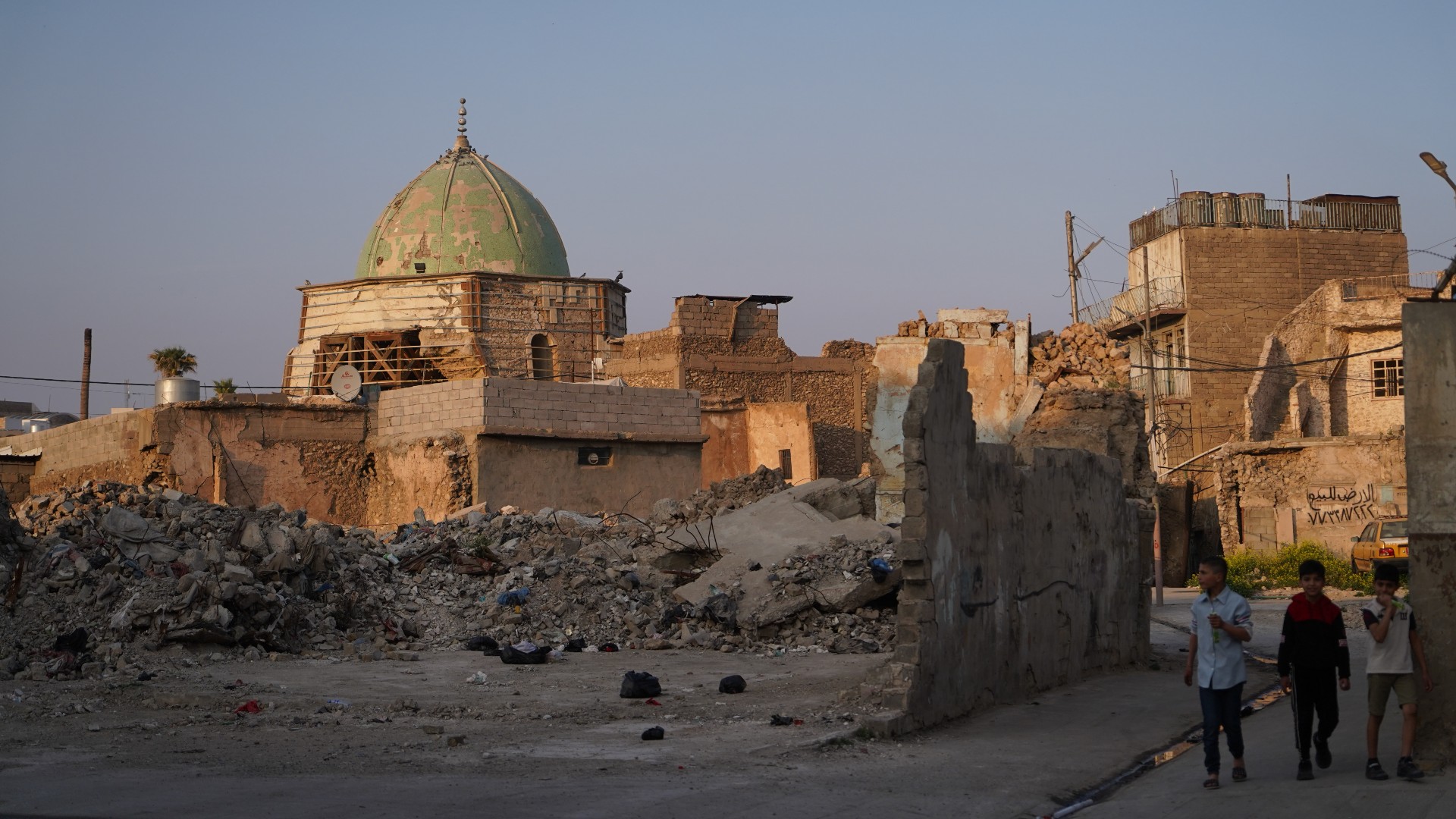
Iranian officials have responded cautiously. A statement from the Iranian Foreign Ministry praised the U.S. move as “a step in the right direction,” though it reiterated demands for the immediate lifting of economic sanctions. The Islamic Revolutionary Guard Corps (IRGC), however, has criticized the memo as “a tactical maneuver to stall Iranian resistance,” highlighting the deep divisions within Iran’s political leadership.
Regional allies, including Gulf Cooperation Council (GCC) nations, have expressed mixed reactions. Saudi Arabia and the United Arab Emirates acknowledged the U.S. effort to reduce tensions but urged greater transparency in negotiations. Meanwhile, Iraq’s government, which has long been a battleground for U.S.-Iran influence, called for “unmediated dialogue” to address security concerns in the region.
Timeline of Events: From Tensions to Diplomatic Outreach
The memo follows a series of escalating incidents that have strained U.S.-Iran relations. In early 2023, a drone strike attributed to Iranian-backed groups killed an American contractor in Syria, prompting a U.S. air campaign against facilities in Iraq. These actions were met with retaliatory strikes from Iranian forces, including the targeting of U.S. military bases in the region.
In response to these developments, Trump’s administration had initially signaled a hardline stance, with Secretary of State Mike Pompeo warning of “devastating consequences” for any further aggression. However, internal debates within the administration, particularly between hawkish military leaders and diplomatic advisors, led to a strategic recalibration.
The memo’s release coincides with a broader shift in U.S. foreign policy under Trump, who has consistently emphasized “America First” principles. This includes a focus on reducing military commitments abroad while fostering alliances with traditional partners. The move has been framed as part of a larger effort to “reset” U.S. relations with Middle Eastern nations, though critics argue it risks emboldening adversarial states.
Why It Matters: Geopolitical and Economic Implications
The memo’s significance extends beyond immediate military de-escalation. Analysts note that the U.S.-Iran conflict has long been a flashpoint for global energy markets, with the Strait of Hormuz serving as a critical chokepoint for oil shipments. Any disruption in this area could trigger volatile price spikes, affecting economies worldwide.

From a geopolitical perspective, the memo represents a rare instance of bipartisan engagement. While Trump’s administration has historically been critical of Iran, the directive reflects a pragmatic approach to managing a conflict that has proven difficult to resolve through force alone. This aligns with broader trends in U.S. foreign policy, where diplomacy is increasingly seen as a viable alternative to prolonged military engagements.
Economically, the potential easing of sanctions could provide a lifeline to Iran’s struggling economy, which has suffered from years of isolation. However, the memo’s emphasis on “conditional engagement” means that any relief would likely be incremental, with progress tied to Iran’s adherence to specific benchmarks.
Reactions and Expert Analysis: A Divided Response
The announcement has drawn a range of reactions from policymakers and experts. Former U.S. Ambassador to the United Nations Nikki Haley called the memo “a prudent step to avoid unintended conflict,” while Senator Tom Cotton criticized it as “a dangerous appeasement of a hostile regime.”
International observers have also weighed in. The United Nations Security Council issued a statement welcoming “any efforts to reduce tensions in the Middle East,” though it stopped short of endorsing the memo’s specific provisions. The European Union, which has maintained a more conciliatory stance toward Iran, expressed cautious optimism, with EU Foreign Policy Chief Josep Borrell stating that the U.S. move “could pave the way for renewed multilateral dialogue.”
