
Pakistan announced on Thursday that the United States and Iran have reached a “definitive text” for a peace agreement, marking a pivotal moment in decades of diplomatic tension between the two nations. The claim, however, has been met with conflicting statements from both Washington and Tehran, raising questions about the agreement’s scope and viability.
Diplomatic Tensions and Contradictions
Iranian officials stated that the Memorandum of Understanding with the U.S. “has never been closer to realization,” according to reports from local media. The Islamic Republic’s foreign ministry emphasized that negotiations had culminated in a finalized text, a claim echoed by Pakistani authorities, who positioned themselves as mediators in the process. However, U.S. representatives have not confirmed the existence of a signed document, instead describing the talks as “progressing” but not yet finalized.

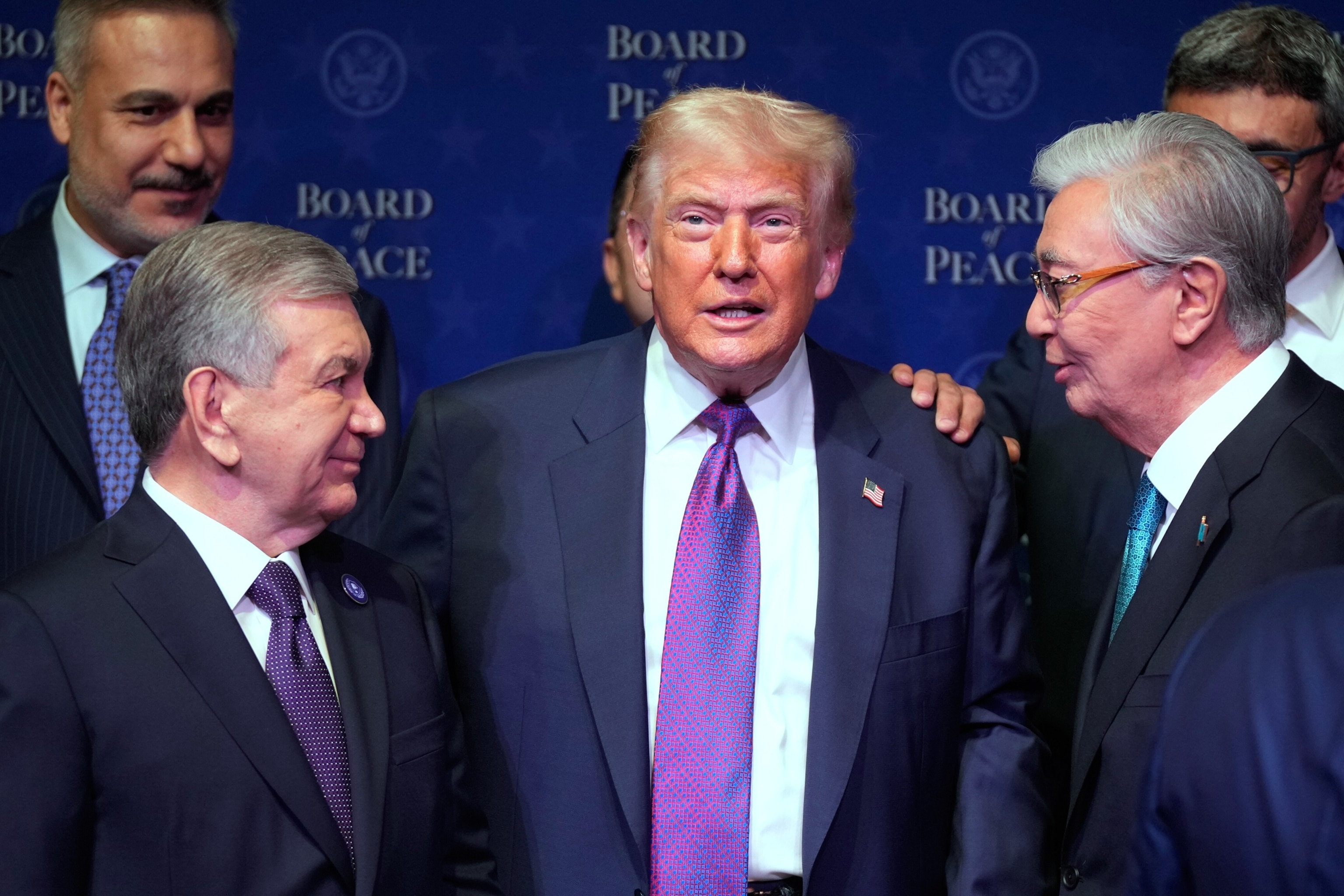
President Donald Trump amplified Iran’s assertions on social media, sharing a statement that read, “Iran says the agreement is more than ever near. I agree. Great progress!” This public endorsement of Iran’s position drew immediate criticism from U.S. officials, who cautioned against misinterpretations of the negotiations. A senior administration official told reporters, “We are not in a position to confirm the details of the agreement as described by Iran, and we urge all parties to avoid speculation.”
Regional Implications and Geopolitical Context
The potential agreement comes amid heightened regional instability, with Iran’s nuclear program and U.S. military presence in the Middle East remaining central issues. Analysts note that Pakistan’s involvement as a mediator reflects broader efforts to stabilize the region, particularly as tensions between the U.S. and Iran have flared over issues including sanctions and regional influence. The country’s strategic location and historical ties to both nations have made it a key player in diplomatic discussions.
Regional stakeholders, including Gulf states and European allies, have called for transparency in the negotiations. A statement from the European Union’s foreign policy chief emphasized the need for “clear, verifiable terms that address mutual concerns,” while Saudi Arabia reiterated its opposition to any deal that might bolster Iran’s regional standing.
What’s Next for the Talks
Both sides have indicated a commitment to continued dialogue, though the absence of a shared understanding of the agreement’s terms complicates the path forward. U.S. Secretary of State Mike Pompeo reiterated in a press briefing that “the goal remains to achieve a comprehensive, lasting solution,” but declined to specify whether the text mentioned by Pakistan had been officially reviewed by U.S. negotiators.
Iran’s Supreme Leader Ayatollah Ali Khamenei has yet to publicly address the claims, but senior clerics have signaled support for the negotiations, framing them as a necessary step to reduce “hostile policies” by the U.S. The next phase of discussions is expected to involve direct talks between U.S. and Iranian officials, with Pakistan likely to play a facilitating role.
