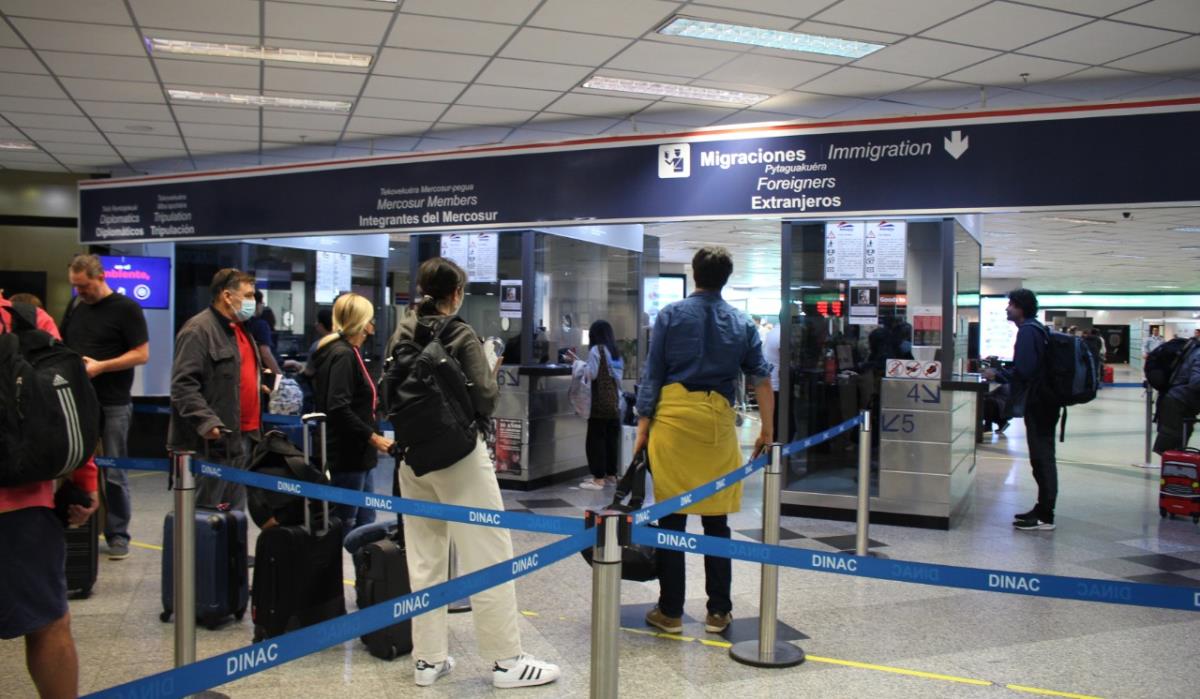
Brazil, Venezuela, and Paraguay have implemented travel restrictions for individuals with delayed passport procedures, according to local media reports. The measures, which block entry or exit for those failing to complete passport-related formalities, mark a significant escalation in regional border control policies. Migraciones authorities in Paraguay emphasized the legal requirement for passport compliance, while Brazilian and Venezuelan officials reiterated similar mandates.
Regional Travel Restrictions Tighten
The restrictions apply to travelers who have postponed or failed to complete passport registration, a requirement enforced by national immigration agencies. In Paraguay, Migraciones officials highlighted that “the mandatory registration of passports is a legal obligation for all citizens and visitors,” citing updated guidelines issued earlier this month. Similar rules were reported in Brazil and Venezuela, though specific legal texts were not immediately available from official sources.

Local media outlets, including El Cronista and debate.com.mx, noted that the measures align with broader efforts by South American governments to strengthen border security. The policies coincide with increased cross-border movement during peak travel seasons, prompting concerns among diplomats and international travelers. Mexico and Colombia were also mentioned in some reports as having similar restrictions, though these claims lacked direct verification from official statements.
Implications for Travelers and Diplomacy
The new rules have raised questions about their impact on regional mobility and economic ties. Travelers from neighboring countries face potential delays or denials of entry if their passports lack up-to-date registration. Diplomatic channels in Brasília, Caracas, and Asunción have not issued formal responses to the measures, leaving the exact scope and enforcement mechanisms unclear.
International observers noted that the restrictions reflect a trend of tightening immigration controls across Latin America. Analysts at the Latin American Integration Association (ALADI) pointed to “growing concerns over border vulnerabilities,” though they cautioned against overestimating the immediate geopolitical consequences. The policies also risk complicating trade and cross-border labor flows, particularly in regions with high levels of informal migration.
Travelers are advised to verify passport requirements with embassy resources before planning trips. In Paraguay, Migraciones officials recommended contacting local offices for detailed guidance on compliance. The Brazilian and Venezuelan governments have not yet provided public-facing updates on the new rules, according to available records.
