‘You Can’t Fly Planes That Are Empty’: Airlines Prepare for a Costly Winter Amid Rising Fuel Prices and Geopolitical Tensions
Commercial airlines worldwide are preparing for a financially challenging winter season, with rising fuel costs, geopolitical conflicts, and disrupted supply chains forcing carriers to implement cost-cutting measures, according to industry analysts and corporate reports. The phrase “you can’t fly planes that are empty,” often cited by executives, underscores the economic pressure on airlines to maintain profitability amid shrinking margins.
The situation has been exacerbated by a confluence of factors, including surging jet fuel prices, ongoing disruptions in the Middle East, and a global economic slowdown that has dampened demand for air travel. Airlines are now prioritizing efficiency, renegotiating contracts, and adjusting flight schedules to mitigate losses, as reported by multiple industry observers.
How Rising Fuel Costs Are Reshaping Airline Strategies
Fuel expenses have become the single largest operational cost for airlines, consuming up to 30% of their budgets in some cases. In April 2024, U.S. airlines spent $6.5 billion on jet fuel, a 78% increase compared to the same period in 2023, according to Transport Topics. This surge is driven by volatile global oil markets, which have been influenced by geopolitical tensions, including the conflict in the Middle East and OPEC+ production decisions.
“Fuel is the biggest variable cost for airlines, and when prices spike, it forces immediate action,” said a spokesperson for the International Air Transport Association (IATA). “Carriers are now more focused on hedging against future price fluctuations, optimizing flight routes, and reducing aircraft idle time.”
Airlines have responded by renegotiating fuel purchase agreements, investing in more fuel-efficient aircraft, and, in some cases, canceling less profitable routes. For example, several European carriers have reduced transatlantic flights during the winter months, citing lower demand and higher operating costs. These decisions have led to passenger complaints about fewer options and increased ticket prices.
“The math is simple: if a plane is flying with half its capacity, it’s not economically viable,” said a senior analyst at a major consulting firm. “Airlines are now more aggressive about adjusting their networks to match demand, even if it means leaving some routes unprofitable.”
Geopolitical Tensions and Their Impact on Air Travel
Geopolitical instability has further complicated the airline industry’s outlook. The ongoing conflict in the Middle East, particularly near the Strait of Hormuz, has disrupted shipping lanes and raised fears of broader regional escalation. This has led to increased insurance costs for airlines operating in the area and prompted some carriers to reroute flights, adding time and fuel consumption to their operations.
The IATA reported that Middle East disruptions alone have contributed to a 20% decline in airline profitability in the first half of 2024. “When airspace is restricted or rerouted, it creates inefficiencies that ripple across the entire industry,” said an IATA representative. “These costs are passed on to passengers through higher fares and reduced service.”
In addition to the Middle East, the conflict between the U.S. and Iran has had a direct financial impact on American carriers. According to a report by Tehran Times, U.S. airlines have incurred billions in losses due to the conflict, with some carriers citing a 15% increase in operational costs since the 100-day mark of the crisis.
“The situation is a double whammy,” said an industry expert. “Not only are fuel prices up, but the uncertainty surrounding geopolitical events makes it harder for airlines to plan long-term. This creates a cycle of instability that’s hard to break.”
Passenger Impacts and Industry Reactions
As airlines trim costs, passengers are feeling the effects through reduced flight options, higher ticket prices, and, in some cases, canceled services. The International Air Transport Association has warned that the combination of fuel prices and geopolitical risks could lead to a 10-15% increase in airfares by the end of 2024, particularly for long-haul routes.
“This is a tough time for travelers,” said a spokesperson for a major U.S. carrier. “We’re doing everything we can to keep prices as stable as possible, but the reality is that we have to pass on some of these costs to maintain our operations.”
Some airlines have introduced flexible booking policies to retain customers, while others have focused on loyalty programs to encourage repeat business. However, the overall sentiment among travelers is one of frustration. A recent survey by a travel industry watchdog found that 62% of respondents felt airfares were “unreasonably high” compared to pre-pandemic levels.
“The industry is in a fragile state,” said an airline industry analyst. “Passengers are caught between the need for affordable travel and the reality of rising costs. It’s a balancing act that carriers are still trying to navigate.”
Comparative Analysis: Fuel Prices and Profitability Across Regions
The impact of rising fuel prices varies significantly across regions. In the U.S., where airlines have more flexibility in pricing and a larger domestic market, the effects have been somewhat mitigated by higher ticket prices. However, in Europe and Asia, where competition is fiercer and profit margins are tighter, the financial strain is more pronounced.
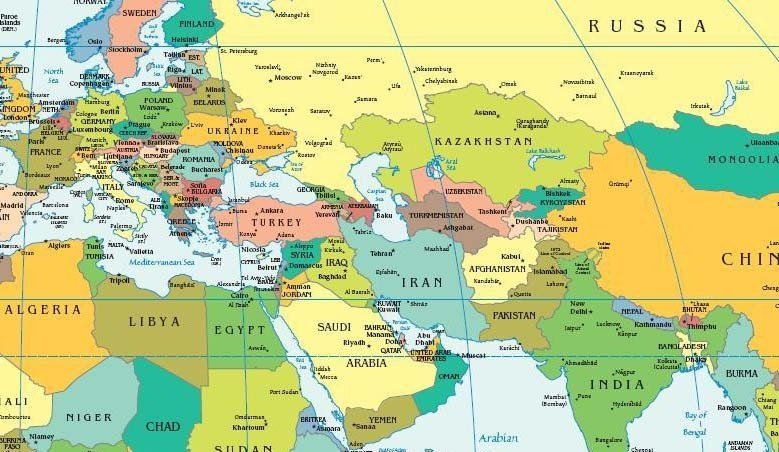
According to a report by the IATA, European airlines saw their profit margins shrink by 40% in 2024, while Asian carriers reported a 30% decline. This disparity is partly due to differences in fuel pricing, regulatory environments, and market dynamics. For example, U.S. airlines have been able to pass on higher fuel costs more effectively to passengers, while European carriers face stricter price controls and higher taxes.
A comparison of fuel price trends reveals a stark contrast. In the U.S., jet fuel prices have risen by 25% year-over-year, while in Europe, the increase has been closer to 35%. This difference has led to a widening gap in operational costs between carriers in different regions, according to industry data.
“The regional differences highlight the complexity of the global airline industry,” said a senior economist. “What works in one market may not be feasible in another, and this creates a patchwork of strategies that are hard to standardize.”
