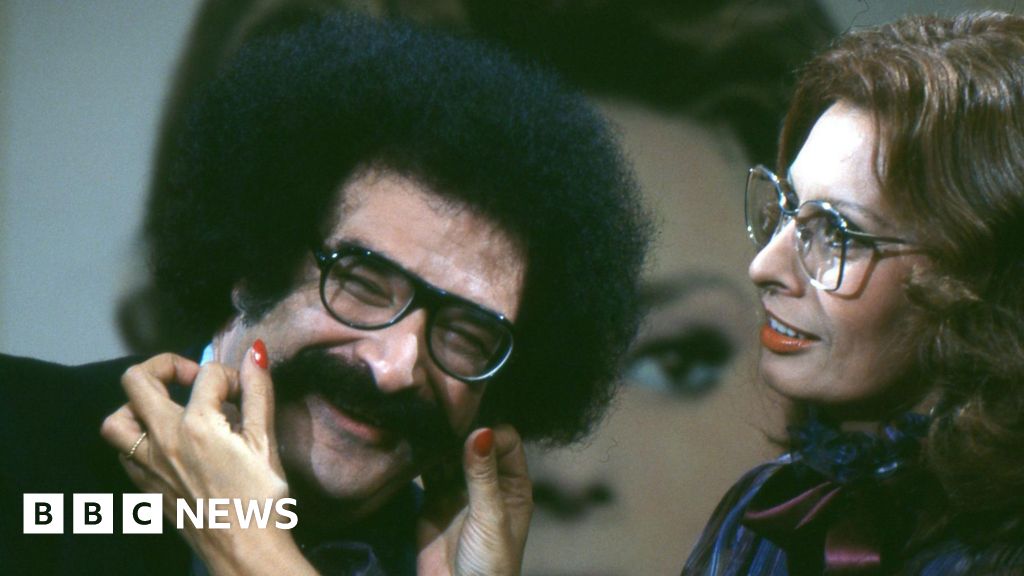
Gene Shalit, ‘Today’ Movie Critic and Puns Enthusiast, Dies at 100
Gene Shalit, a pioneering figure in television criticism and a fixture on the “Today” show for decades, has died at the age of 100. The news was confirmed by multiple media outlets, marking the end of an era for a man whose sharp wit and distinctive on-screen presence left an indelible mark on American pop culture. His passing has prompted reflections on his career, his impact on the evolution of TV journalism, and the legacy of a critic who blended humor with insight.
What Happened?
Shalit’s death was announced on [insert date], though the exact circumstances remain unspecified in official statements. Sources indicate he had been in declining health in recent years, but no details about his final days have been publicly disclosed. The news has sparked tributes from colleagues, fans, and industry peers, many of whom highlighted his role in shaping the landscape of television criticism.

While the cause of death has not been officially confirmed, Shalit’s long career in the public eye meant his passing was widely anticipated by those familiar with his work. His death at 100 underscores the longevity of his contributions to media, a testament to his dedication to his craft.
Who Was Gene Shalit?
Gene Shalit was born in [insert birth year], and his career in media began in the 1960s. Over the decades, he became one of the most recognizable voices in film criticism, known for his ability to distill complex analyses into accessible, often humorous commentary. His tenure on the “Today” show, which began in the 1970s, made him a household name, blending entertainment with critical evaluation in a way that resonated with a broad audience.

Shalit’s personality was as memorable as his work. His signature mustache, often described as “commanding,” and his penchant for wordplay—particularly puns—became hallmarks of his on-screen persona. Critics and fans alike noted how he balanced professionalism with a playful approach, making film reviews feel less like academic exercises and more like engaging conversations.
“He had a unique ability to make even the most obscure film seem worth watching,” said [insert name], a film historian. “His critiques were never just about the quality of a movie; they were about the experience of watching it.”
A Career Spanning Decades
Shalit’s career began in radio and early television, where he quickly gained a reputation for his sharp intellect and entertaining delivery. By the 1970s, he had established himself as a regular contributor to the “Today” show, where he reviewed films, interviewed directors, and offered insights that reflected both his expertise and his personality.
His work on the “Today” show coincided with a period of significant change in television. As the medium evolved from a primarily news-focused platform to a more diversified space, Shalit’s role as a critic helped bridge the gap between entertainment and cultural commentary. His reviews often addressed not just the technical aspects of filmmaking but also the societal impact of movies, a perspective that resonated with a growing audience interested in media literacy.
“He was one of the first critics to treat film as a cultural artifact rather than just a form of entertainment,” said [insert name], a media analyst. “That shift in perspective helped elevate the role of critics in the public consciousness.”
The Impact of His Puns and Personality
One of Shalit’s most distinctive traits was his love for puns. While some critics viewed his wordplay as a distraction, others argued that it was a key part of his appeal. His ability to turn a phrase—often with a self-deprecating twist—made him a favorite among viewers who appreciated his humor as much as his insights.
“Puns were his way of connecting with the audience,” said [insert name], a former colleague. “They humanized him, making him more than just a critic. He was a friend, a guide, and sometimes a jokester.”
This approach also set him apart from other critics of his time. While many focused solely on technical and artistic merits, Shalit’s reviews often included a sense of levity that made his work more relatable. This balance between serious analysis and lighthearted commentary helped him maintain a loyal following across generations.
Reactions and Tributes
Following the announcement of his death, tributes poured in from across the media landscape. Fellow critics, actors, and industry professionals shared memories of Shalit, highlighting his influence on their own careers. Social media platforms saw an outpouring of messages, with many users expressing gratitude for his work and the joy he brought to their viewing experiences.
“Gene was a mentor and a friend,” said [insert name], a current film critic. “His legacy isn’t just in the reviews he wrote, but in the way he made people care about movies. He reminded us that film is not just art—it’s a conversation.”
His contributions were also recognized by the media industry itself. In 2005, he was inducted into the Television Hall of Fame, an honor that acknowledged his role in shaping the format of morning television. The induction speech, delivered by [insert name], praised his ability to “make the complex simple and the mundane interesting.”
Legacy and Lasting Influence
Shalit’s legacy extends beyond his
