Data Center Emissions Could Be Curbed With Underground Carbon Capture: A Path to Sustainable AI
Data center emissions could be curbed with underground carbon capture, according to research highlighted by Tech Xplore, by sequestering carbon dioxide in geological formations to offset the rising energy demands of artificial intelligence and cloud computing. This process involves capturing CO2 from power sources or the atmosphere and injecting it deep underground where it can mineralize into solid rock, effectively removing it from the carbon cycle.
How does underground carbon capture reduce data center footprints?
The operational model for reducing the environmental impact of the digital economy is shifting toward Carbon Capture and Storage (CCS). According to reports from Tech Xplore, the primary goal is to intercept carbon dioxide before it enters the atmosphere or to remove existing CO2 through Direct Air Capture (DAC) and store it in stable, underground reservoirs.
Data centers rely on massive amounts of electricity to power servers and cooling systems. When this electricity comes from fossil-fuel-burning power plants, the result is a significant volume of greenhouse gas emissions. Underground carbon capture addresses this by utilizing two main pathways:
- Point-Source Capture: Capturing CO2 directly from the exhaust stacks of the power plants that feed data center grids.
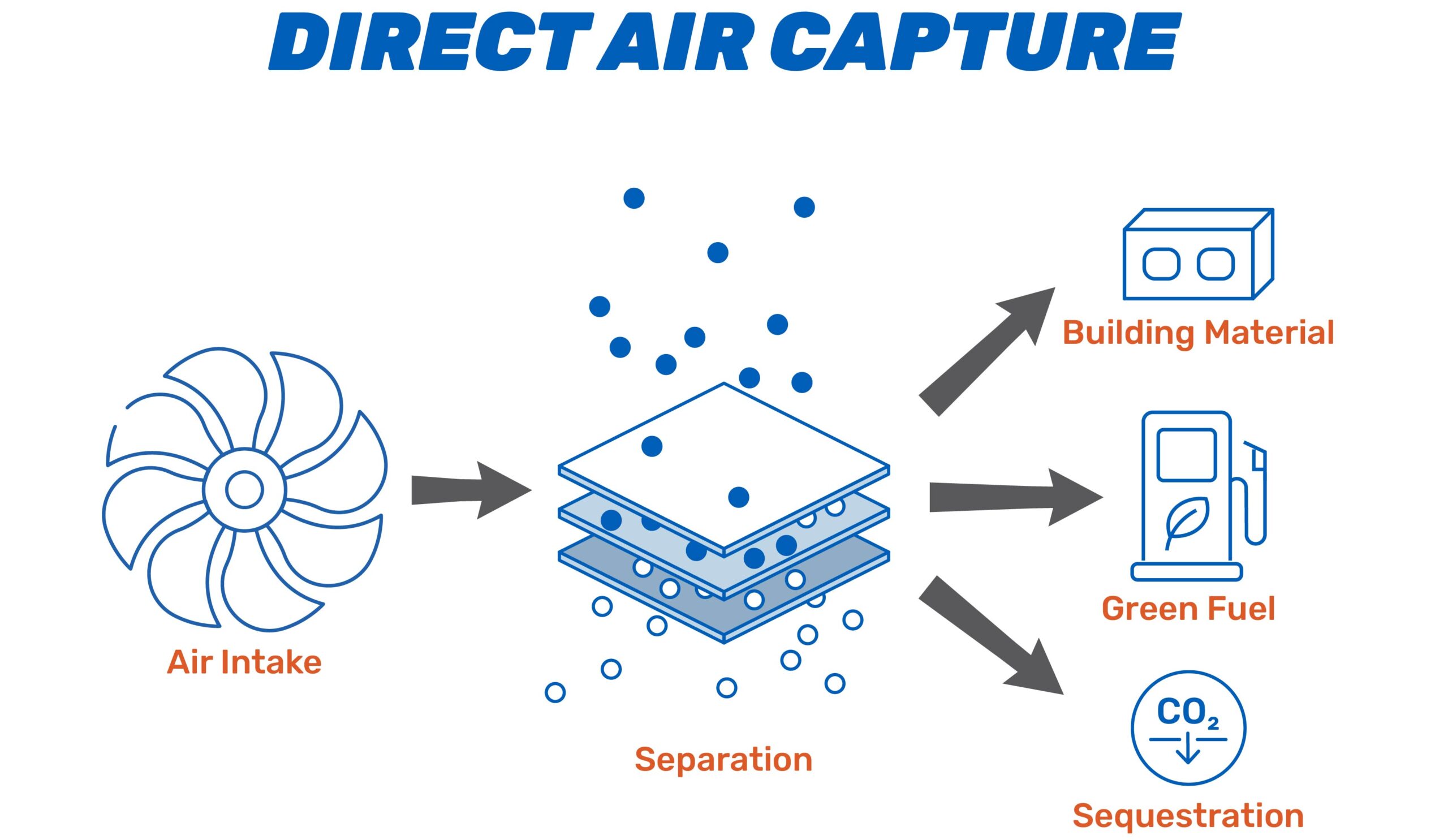
- Direct Air Capture (DAC): Using giant fans and chemical reactions to pull CO2 out of the ambient air, which can then be transported to injection sites.
Once captured, the gas is compressed into a supercritical fluid and pumped into deep geological formations. In certain environments, such as basaltic rock, the CO2 reacts with minerals to form carbonate minerals. This process, known as mineralization, turns the gas into stone, ensuring the carbon cannot leak back into the atmosphere.
The transition to underground sequestration represents a move from simply “reducing” emissions to “removing” them, a distinction critical for companies aiming for net-zero or carbon-negative status.
Why is the AI boom driving the need for carbon sequestration?
The surge in generative AI has fundamentally altered the energy profile of the internet. Training a single large language model (LLM) requires thousands of specialized GPUs running for weeks or months, consuming megawatts of power. According to industry analysis, the energy intensity of an AI query is significantly higher than that of a standard keyword search.
This energy demand has created a paradox for big tech companies. While many have pledged to reach net-zero emissions, the sheer scale of AI infrastructure is outpacing the deployment of renewable energy sources like wind and solar. The intermittency of renewables means that data centers often rely on “firm” power—often natural gas or coal—to maintain 24/7 uptime.
Because these facilities cannot simply switch off during a lull in wind or sun, the carbon output remains high. Underground carbon capture provides a mechanism to decouple the growth of AI from the growth of atmospheric carbon. By offsetting the emissions of the grid power they consume, data center operators can continue to scale their compute capacity without violating climate commitments.
The Energy Profile Shift: Traditional Cloud vs. Generative AI
| Metric | Traditional Cloud Computing | Generative AI Workloads |
|---|---|---|
| Power Density | Moderate per rack | Very High (Liquid cooling often required) |
| Energy Pattern | Relatively predictable | Extreme spikes during training phases |
| Carbon Intensity | Managed via Power Purchase Agreements (PPAs) | Often exceeds local renewable capacity |
| Primary Mitigation | Efficiency & Renewable offsets | CCS & Direct Air Capture integration |
What are the technical mechanisms of underground storage?
The process of sequestering carbon underground is not a simple matter of pumping gas into a hole. It requires specific geological conditions to ensure the CO2 remains trapped permanently. According to geological research cited by Tech Xplore, there are three primary types of storage reservoirs used in these operations.
Saline Aquifers
These are deep layers of porous rock saturated with brine (salt water). Because the brine is too salty for human use, these aquifers are ideal for CO2 storage. The gas is injected beneath a “caprock”—an impermeable layer of shale or salt—that acts as a seal, preventing the CO2 from migrating upward.
Depleted Oil and Gas Reservoirs
Former fossil fuel extraction sites are natural candidates for carbon capture. These sites have already proven their ability to hold gases and liquids for millions of years. In some cases, CO2 is used for “Enhanced Oil Recovery” (EOR), where the gas is pumped in to push out remaining oil. However, for true emissions curbing, the focus is on permanent storage without subsequent fuel extraction.
Basaltic Formations
This is the most permanent form of sequestration. When CO2 is dissolved in water and injected into basalt—a volcanic rock common in regions like Iceland—it triggers a chemical reaction. The CO2 reacts with calcium, magnesium, and iron in the rock to form solid carbonate minerals. This mineralization happens relatively quickly, sometimes in less than two years, eliminating the risk of leaks associated with gaseous storage.
What are the primary obstacles to scaling CCS for data centers?
While the theory is sound, the practical application of underground carbon capture faces significant hurdles. The most immediate challenge is the “energy penalty.” The equipment required to capture, compress, and transport CO2 requires its own power source. If that power comes from fossil fuels, the system creates a feedback loop where it generates emissions to remove emissions.
Cost is another prohibitive factor. Direct Air Capture is currently expensive, costing hundreds of dollars per ton of CO2 removed. For a data center emitting millions of tons of carbon annually, the financial burden is immense. Without government subsidies or a high global price on carbon, the economics of CCS are difficult for private firms to justify on a balance sheet alone.
Infrastructure also presents a bottleneck. To move captured CO2 from a power plant or a DAC facility to a sequestration site, thousands of miles of specialized pipelines must be built. This involves complex land-use permits, environmental impact studies, and potential resistance from local communities concerned about pipeline safety.
- Leakage Risks: While mineralization is permanent, storage in saline aquifers carries a theoretical risk of seismic activity or seal failure.
- Water Usage: Some capture technologies require vast amounts of water for the chemical processes, potentially competing with the water needed to cool the data centers themselves.
- Regulatory Gaps: Many regions lack a clear legal framework for who owns the “pore space” underground and who is liable for the stored carbon over centuries.
How does carbon capture compare to other green energy strategies?
Industry leaders often debate whether it is better to invest in carbon capture or to double down on renewable energy and nuclear power. These strategies are not mutually exclusive, but they solve different parts of the problem. Solar and wind provide “variable” energy, whereas carbon capture addresses the “residual” emissions that renewables cannot currently eliminate.
Small Modular Reactors (SMRs) are often cited as a superior alternative to CCS because they provide carbon-free, baseload power directly to the data center. However, SMRs face their own regulatory hurdles and long lead times for construction. Carbon capture can be retrofitted onto existing power plants, providing a faster—albeit more expensive—way to reduce the carbon intensity of current operations.
A comparison of these strategies reveals a tiered approach to sustainability:
- Efficiency First: Optimizing code and hardware to reduce the power needed per compute cycle.
- Renewable Transition: Shifting to wind, solar, and geothermal for the bulk of energy needs.
- Firm Power with CCS: Using natural gas with carbon capture to ensure 24/7 reliability.
- Negative Emissions: Using DAC and underground sequestration to remove historical carbon.
For more on the evolution of hardware efficiency, see a related explainer on GPU energy optimization.
What are the regulatory and economic drivers for this technology?
The adoption of underground carbon capture is being accelerated by government policy rather than market forces alone. In the United States, the Inflation Reduction Act (IRA) significantly increased the 45Q tax credit, providing a direct financial incentive for every ton of CO2 captured and stored underground. This makes the “cost per ton” more manageable for tech giants.
Similarly, the European Union’s Emissions Trading System (ETS) puts a price on carbon, making it more expensive for companies to emit than to invest in capture technology. These policies create a financial bridge, allowing CCS technology to move from the pilot phase to industrial scale.
Beyond taxes, the “ESG” (Environmental, Social, and Governance) mandates of institutional investors are forcing tech companies to prove their carbon neutrality. As auditors move toward more stringent “Scope 3” emissions reporting—which includes the emissions of the entire supply chain and power grid—underground sequestration becomes a necessary tool for corporate compliance.
Common misconceptions about carbon sequestration
There is a frequent misunderstanding that carbon capture is a “license to pollute,” allowing companies to continue burning fossil fuels without changing their behavior. However, experts argue that for critical infrastructure like data centers, there is no current technology that can provide the necessary power density and reliability without some form of carbon-intensive backup.
Another misconception is that CO2 is stored as a giant underground bubble of gas. In reality, in the most advanced systems, the CO2 is either dissolved into brine or turned into solid rock. This removes the “bubble” risk and makes the storage far more stable than critics often suggest.
Finally, some believe that Direct Air Capture is a replacement for reforestation. While trees are efficient, they are temporary; if a forest burns down, the carbon is released. Underground mineralization is permanent on a geological timescale, providing a level of security that biological sequestration cannot match.
The role of geological surveys in site selection
Not every data center can have a carbon capture plant next door. The viability of this technology depends entirely on the local geology. Companies must conduct extensive seismic surveys to find “sweet spots” where the rock is porous enough to accept CO2 but capped by a layer that prevents leakage.
This is leading to a new trend in data center placement. Rather than building near urban hubs or cheap land, some operators are considering “carbon-centric” locations. By placing data centers near basaltic formations or depleted oil fields, they can minimize the distance the captured CO2 must travel, reducing pipeline costs and energy loss.
This shift could reorganize the geography of the internet, moving compute clusters away from traditional hubs like Northern Virginia or Ireland and toward regions with the right geological profile for sequestration.
For further reading on how location affects energy costs, check out a related explainer on edge computing infrastructure.
Frequently Asked Questions
Is underground carbon capture safe for the environment?
According to geological studies, when performed in sites with an impermeable caprock or in basaltic formations that trigger mineralization, the risk of leakage is extremely low. However, rigorous monitoring and seismic testing are required to ensure that the injection process does not trigger micro-earthquakes or contaminate groundwater.

Can carbon capture make data centers truly “net zero”?
Yes, but only if combined with other strategies. While CCS can offset the emissions from power consumption, “net zero” also requires addressing the carbon embedded in the construction of the building and the manufacturing of the servers. CCS handles the operational emissions, but it is one part of a broader sustainability strategy.
How long does it take for CO2 to turn into stone?
The timeline varies by rock type. In traditional saline aquifers, the process of dissolution and trapping can take centuries. However, in basaltic rock—as seen in projects in Iceland—the mineralization process can turn CO2 into solid carbonate minerals in as little as two years.
Why not just use more solar and wind power?
Renewables are essential, but they are intermittent. Data centers require “five-nines” reliability (99.999% uptime). Until battery storage technology can scale to provide days or weeks of backup power for a gigawatt-scale facility, firm power (like gas or nuclear) is required. Carbon capture allows that firm power to be used without the associated atmospheric damage.
Who pays for the underground carbon capture infrastructure?
Currently, costs are shared between the tech companies (who want to meet ESG goals), government subsidies (such as the 45Q tax credit in the US), and occasionally the energy providers who operate the power plants. The goal is to drive the cost down through economies of scale until it becomes a standard utility cost.
