British Judge Rules Palestine Action Activists Sentenced as Terrorists Following Elbit Systems Raids
A British judge has ruled that activists from the group Palestine Action must be sentenced under terrorism legislation following raids on factories owned by Israeli arms manufacturer Elbit Systems. According to reports from Middle East Eye, Al Jazeera, and the BBC, the court’s decision marks a significant legal escalation in the prosecution of pro-Palestinian direct-action protesters in the United Kingdom.
Why did a British judge rule that Palestine Action activists be sentenced as terrorists?
The ruling centers on the nature of the attacks against Elbit Systems, an Israeli defense contractor with several sites across the UK. According to court proceedings reported by The Guardian and Al Jazeera, the judge determined that the actions taken by the activists—which included breaking into facilities and causing extensive property damage—were not merely acts of criminal damage but were intended to influence the government or intimidate the public for a political cause. This specific intent aligns with the legal definitions found within the UK’s terrorism legislation.
Under the Terrorism Act, the prosecution must prove that the defendants used or threatened violence against persons or property to influence a government or intimidate the public for the purpose of advancing a political, religious, racial, or ideological cause. In this instance, the court found that the activists’ targeting of an arms manufacturer to stop the supply of weapons to Israel met these criteria.
Key elements of the ruling include:
- Targeting of Infrastructure: The activists specifically targeted sites producing drone technology and other military hardware.
- Political Motivation: The court acknowledged the raids were conducted to force a change in UK policy regarding arms exports to Israel.
- Scale of Damage: The severity of the property destruction was cited as a factor in the classification of the crimes.
Who are the activists involved in the Elbit Systems raids?
The individuals sentenced are members of Palestine Action, a grassroots direct-action network. According to CNN and the BBC, the group focuses on “disrupting” the operations of companies that provide military equipment to the Israeli state. Unlike traditional protest groups that utilize marches or petitions, Palestine Action employs “direct action,” which involves the physical occupation of sites and the destruction of machinery.

Four activists were specifically highlighted in recent reports as receiving jail sentences. These individuals were involved in coordinated raids where they entered Elbit Systems facilities, smashed windows, and damaged equipment. The group maintains that their actions are a necessary response to what they describe as war crimes being committed in Gaza and the West Bank.
The group’s operational strategy typically involves:
- Site Identification: Mapping the locations of Elbit Systems’ UK-based offices and factories.
- Rapid Entry: Using tools to breach security perimeters quickly.
- Property Sabotage: Targeting the physical assets of the company to make the sites unusable or too expensive to insure.
What happened during the raids on Elbit Systems factories?
The raids involved multiple incidents across various UK locations. According to reports from Al Jazeera and the BBC, activists broke into Elbit Systems facilities, causing thousands of pounds in damage. In several instances, protesters occupied the buildings, filming their actions and broadcasting them on social media to draw attention to the company’s role in the Israeli military apparatus.
The damage reported by Elbit Systems and the police included the smashing of glass partitions, the destruction of computer equipment, and the spray-painting of slogans across factory walls. The company has consistently characterized these acts as violent criminality and harassment of its employees.
| Incident Detail | Reported Action | Legal Classification |
|---|---|---|
| Entry Method | Forced entry/breaking and entering | Burglary / Aggravated Trespass |
| Physical Damage | Smashing windows and machinery | Criminal Damage |
| Intent | Forcing arms export cessation | Terrorism (per recent ruling) |
How does this ruling differ from previous prosecutions of protesters?
Historically, activists engaging in property damage for political reasons in the UK have been charged with criminal damage or aggravated trespass. These charges carry significant penalties but do not carry the “terrorist” label. According to Middle East Eye, the shift to terrorism sentencing represents a stark change in how the British judiciary views pro-Palestinian direct action.
The primary difference lies in the sentencing guidelines. Terrorism convictions allow for significantly longer prison terms and subject the defendants to more stringent post-release supervision, including potential notification requirements (similar to sex offender registries) and restrictions on their movements and associations.
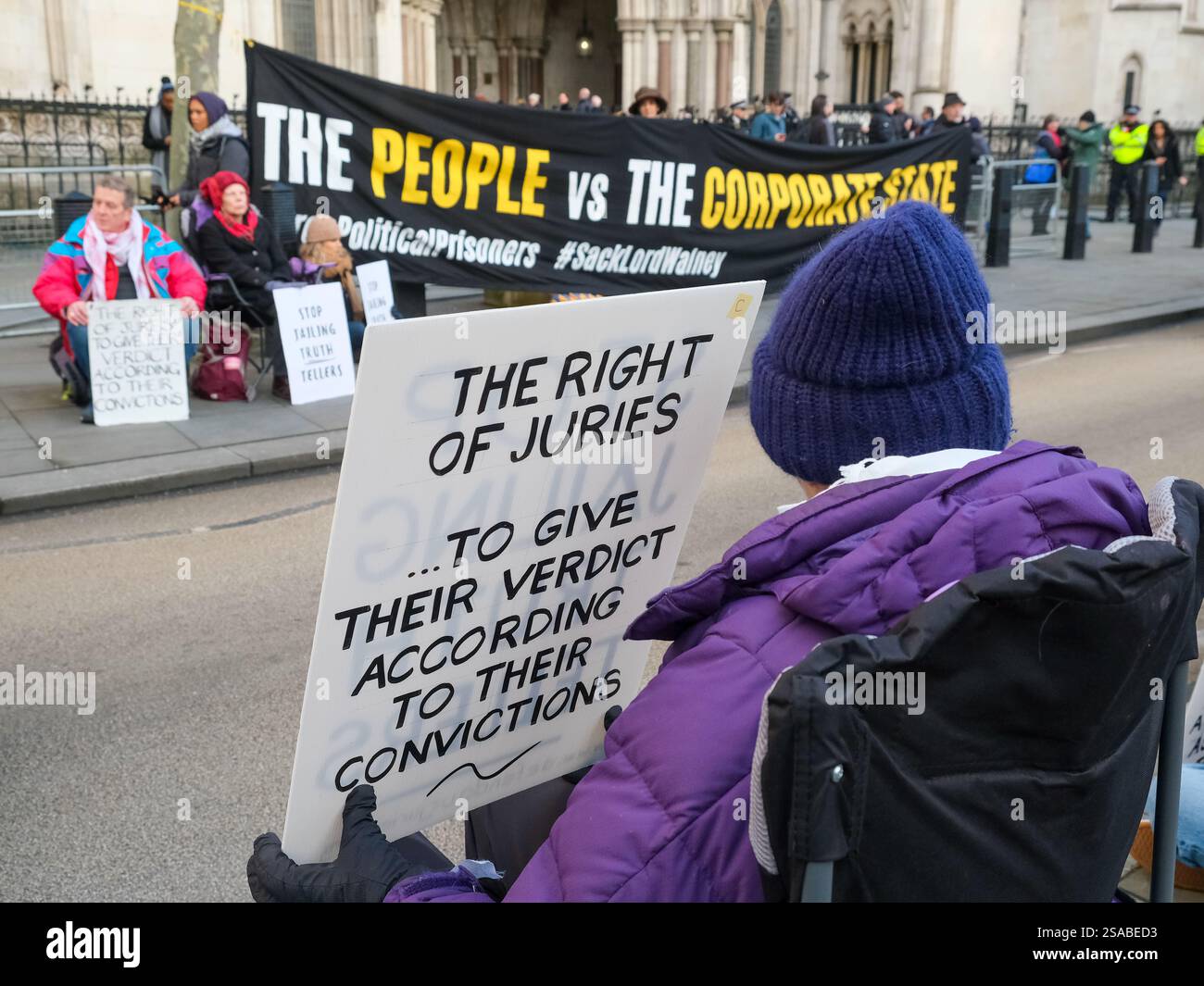
Comparing the framing of this story across different outlets reveals a divergence in focus:
- BBC and CNN: These outlets focused heavily on the legality of the raids, the jail time served, and the disruption caused to the business operations of Elbit Systems.
- Middle East Eye and Al Jazeera: These reports emphasized the “terrorist” designation, framing it as a move to criminalize political dissent and suppress activism related to the Palestinian conflict.
- The Guardian: Provided a balanced account of the court’s reasoning while noting the broader tension between national security laws and the right to protest.
What are the implications for future pro-Palestinian activism in the UK?
Legal experts suggest that this ruling creates a precedent that could be applied to other forms of direct action. If the act of damaging property to influence government policy is classified as terrorism, other groups targeting fossil fuel companies or other arms manufacturers may find themselves facing similar charges.
The ruling may serve as a deterrent to groups like Palestine Action. The threat of being labeled a “terrorist” carries a social and legal stigma that far outweighs a standard criminal record. It also provides the state with broader powers of surveillance and detention under the Terrorism Act.
Potential long-term consequences include:
- Increased Surveillance: Activists may be placed under higher levels of police scrutiny.
- Chilling Effect: A decrease in direct-action tactics as the risk-to-reward ratio shifts toward extreme legal peril.
- Legal Challenges: Human rights organizations are likely to challenge the application of terrorism laws to non-violent (against persons) property damage in higher courts.
For more on the legal landscape of protests, see a related explainer on UK protest laws.
What is the position of Elbit Systems and the UK government?
Elbit Systems has consistently condemned the actions of Palestine Action, describing them as a campaign of “terrorism” and “violence.” The company has called for the strongest possible legal action against those who target its employees and assets, arguing that the activists’ actions are an attempt to intimidate a legitimate business through illegal means.
The UK government has maintained that while the right to peaceful protest is protected, violence and the destruction of property will not be tolerated. By supporting the application of terrorism laws in this case, the judiciary is signaling that political motivation does not excuse the destruction of infrastructure, and when that destruction is designed to coerce the state, it falls under the remit of national security laws.
Comparison of Legal Perspectives
The conflict in this case is essentially a clash between two legal and ethical interpretations:
- The State/Corporate View: The activists committed premeditated crimes against a business to force a political outcome, which fits the statutory definition of terrorism.
- The Activist View: The destruction of property is a legitimate form of “necessity” to prevent a greater crime (genocide or war crimes), and the “terrorist” label is a political tool used to silence opposition to the arms trade.
Frequently Asked Questions
What is Palestine Action?
Palestine Action is a direct-action network that targets companies involved in the supply of military equipment to Israel. They primarily use tactics such as occupying factories and damaging machinery to disrupt production.
Why is the “terrorist” label significant in this case?
Being sentenced as a terrorist rather than a criminal increases the severity of the prison sentence and imposes long-term legal restrictions on the individual’s life after release, including enhanced police monitoring.

Which company was targeted in these raids?
The raids targeted Elbit Systems, an Israeli defense company that operates several sites in the UK producing military technology, including drones.
Is this the first time protesters have been called terrorists in the UK?
While the UK has a history of using terrorism laws against various groups, applying these specific charges to pro-Palestinian activists engaging in property damage is seen by many legal observers as a significant escalation.
What laws were used to justify the sentencing?
The judge relied on the UK’s Terrorism Act, specifically the sections regarding the use of violence or damage to property to influence the government or intimidate the public for a political or ideological cause.
The case remains a focal point for debates over the boundary between civil disobedience and terrorism. As these activists begin their sentences, legal appeals are expected to test whether the definition of “terrorism” in the UK has been expanded too far to include political sabotage.
