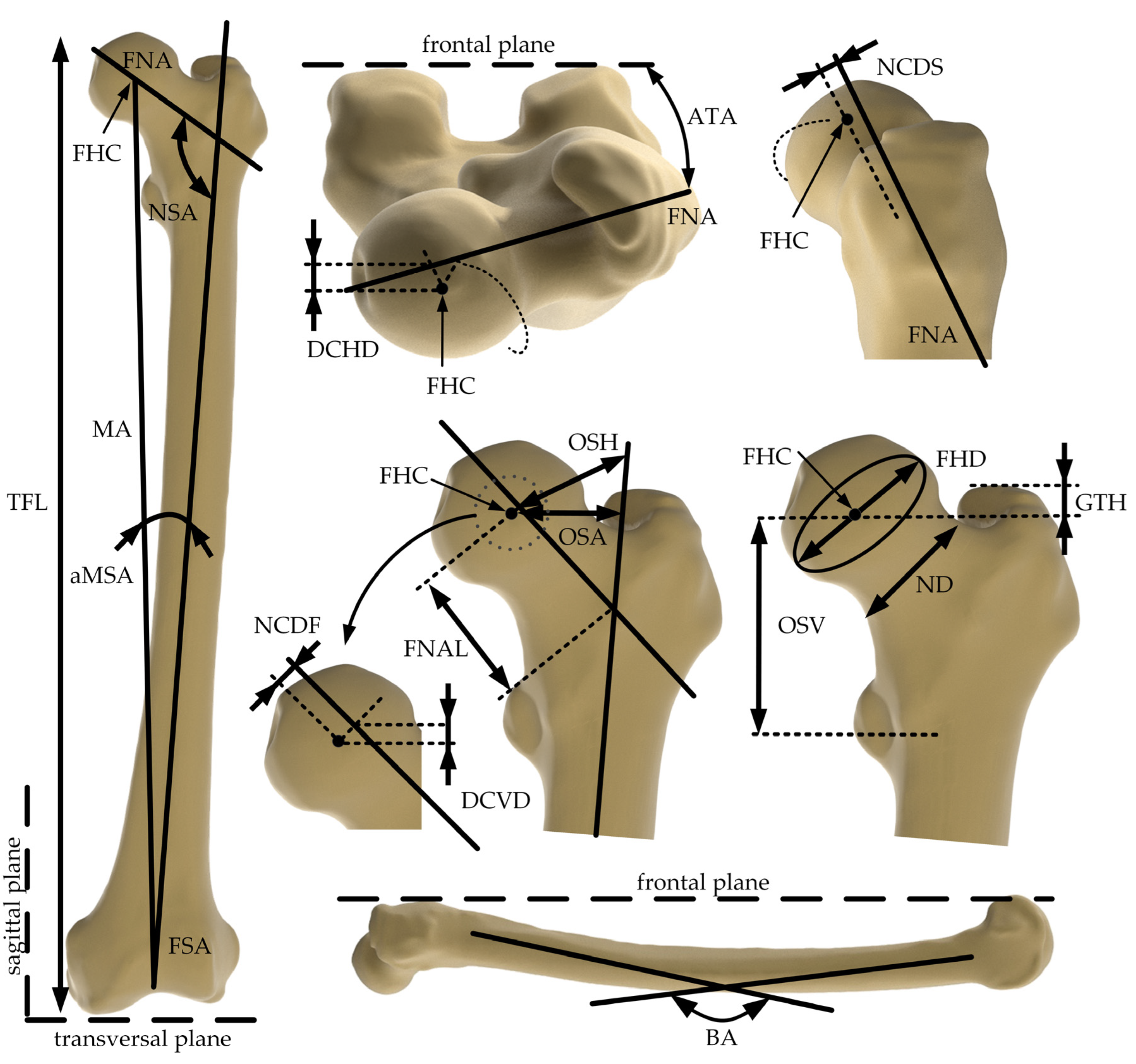
Type 1 diabetes is associated with an increased risk of femoral fractures due to diminished bone quality and lower bone mineral density, according to research data. The risk is further influenced by the duration of the disease and the level of glycemic control maintained by the patient.
- Increased Fracture Risk: Patients with Type 1 diabetes show a higher prevalence of femoral fractures compared to the general population.
- Bone Quality: The condition is linked to compromised bone microarchitecture and reduced mineral density.
- Contributing Factors: Poor glycemic control and the length of time a patient has lived with the disease are key drivers of bone fragility.
Why Type 1 Diabetes Increases Fracture Risk
The increased risk of femoral fractures in people with Type 1 diabetes stems from a combination of lower bone mineral density (BMD) and poor bone quality. According to the research, the metabolic disruptions caused by the disease affect how bone is formed and maintained, leading to a skeletal structure that is more prone to breaking under stress.
While BMD is a standard measure for osteoporosis, the study authors indicate that bone quality—the internal architecture and strength of the bone—is equally critical. In Type 1 diabetes, this microarchitecture is often degraded, meaning fractures can occur even in patients whose BMD scores do not appear severely low.
Factors That Elevate Bone Fragility
Not all patients with Type 1 diabetes face the same level of risk. The research identifies specific variables that correlate with a higher likelihood of femoral fractures:
- Glycemic Control: Chronic hyperglycemia, or high blood sugar levels, is linked to impaired bone health. Poorly managed blood glucose levels can interfere with the cells responsible for bone formation.
- Disease Duration: The risk of bone loss and subsequent fracture increases the longer a person has lived with Type 1 diabetes.
- Insulin Regimens: The study notes that the type and duration of insulin therapy may play a role in how bone density is maintained over time.
Clinical Implications and Monitoring
The association between Type 1 diabetes and femoral fractures suggests a need for more rigorous bone health monitoring in this patient population. According to the research team, identifying high-risk individuals through screening for bone density and assessing glycemic history can help in managing the risk of severe fractures.
The findings emphasize that femoral fractures are a significant complication of the disease, as these injuries often lead to prolonged hospitalization and a decrease in overall mobility and quality of life for the patient.
