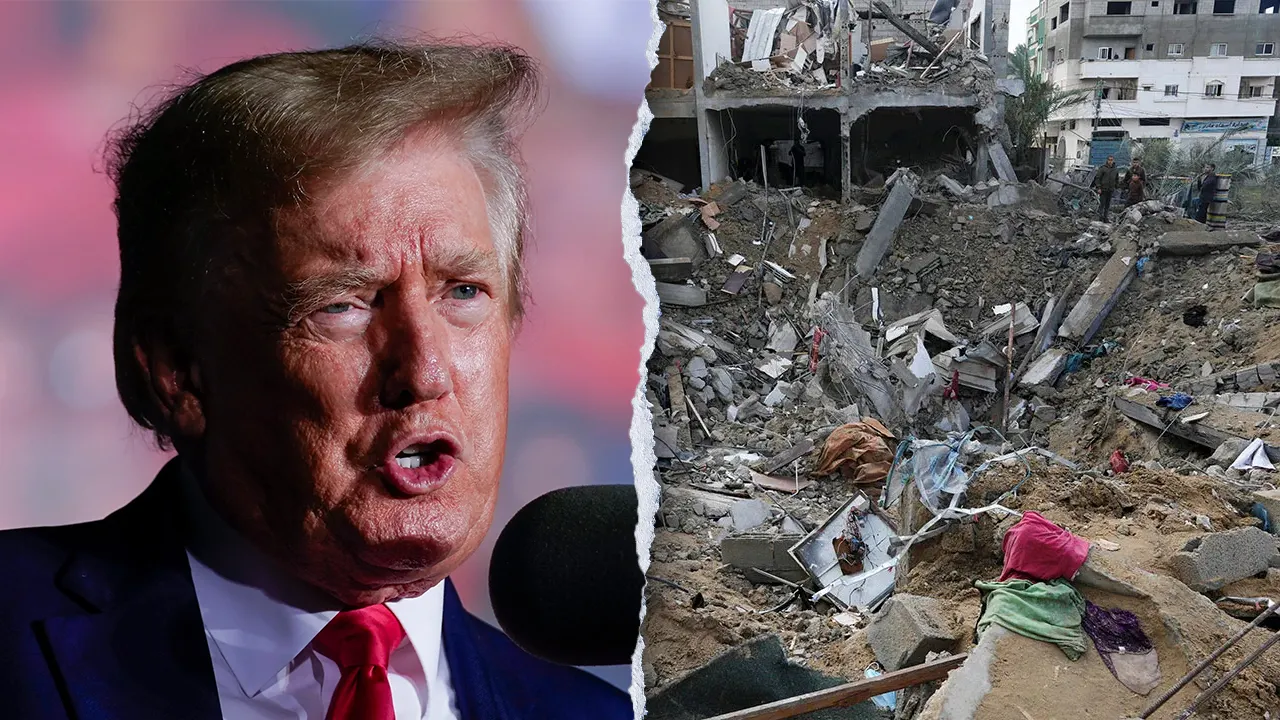
Donald Trump’s Foreign Policy Stalemate: How Gaza, Ukraine, and Iran Are Testing His Second-Term Strategy
With a potential second term looming, former President Donald Trump faces a foreign policy paradox: his signature issue—restoring American strength—has collided with three seemingly intractable conflicts where his leverage is shrinking. In Gaza, where a fragile ceasefire teeters on collapse; in Ukraine, where battlefield stalemates and political fatigue threaten to erode Western resolve; and now in Iran, where a covert framework deal could either redefine U.S. Regional influence or trap Trump in a diplomatic trap of his own making. The question is no longer whether Trump can intervene—it’s whether he can escape the stalemate he’s inherited.
Trump’s approach to these crises reflects a familiar pattern: a mix of transactional diplomacy, military caution, and a willingness to challenge conventional wisdom. But in each case, the rules of engagement have shifted. In Gaza, Hamas’s resilience and Israel’s deepening political divisions have narrowed the space for a Trump-style “deal.” In Ukraine, where Trump has repeatedly criticized U.S. Aid packages, Russian advances in the south and east have exposed the limits of his preferred strategy—pressure on Kyiv to negotiate. And in Iran, where indirect talks with Tehran are reportedly nearing a breakthrough, Trump’s past rhetoric against the Islamic Republic now clashes with the reality of a potential détente that could reshape Middle East alliances.
Analysts warn that Trump’s interventions risk becoming a study in unintended consequences. His record suggests a preference for high-stakes gambits—whether through tariffs, abrupt diplomatic recognitions, or direct pressure on adversaries—but the current geopolitical landscape demands a different playbook. The result? A foreign policy that oscillates between bold posturing and reluctant pragmatism, leaving allies and critics alike questioning whether Trump’s “America First” doctrine can adapt to a world where conflicts are no longer winnable through sheer willpower.
This is the story of how Trump’s interventions in Gaza, Ukraine, and Iran have reached a critical juncture—and why his ability to break the stalemate may hinge on factors beyond his control.
—
The Gaza Ceasefire: A Fragile Truce and the Illusion of Victory
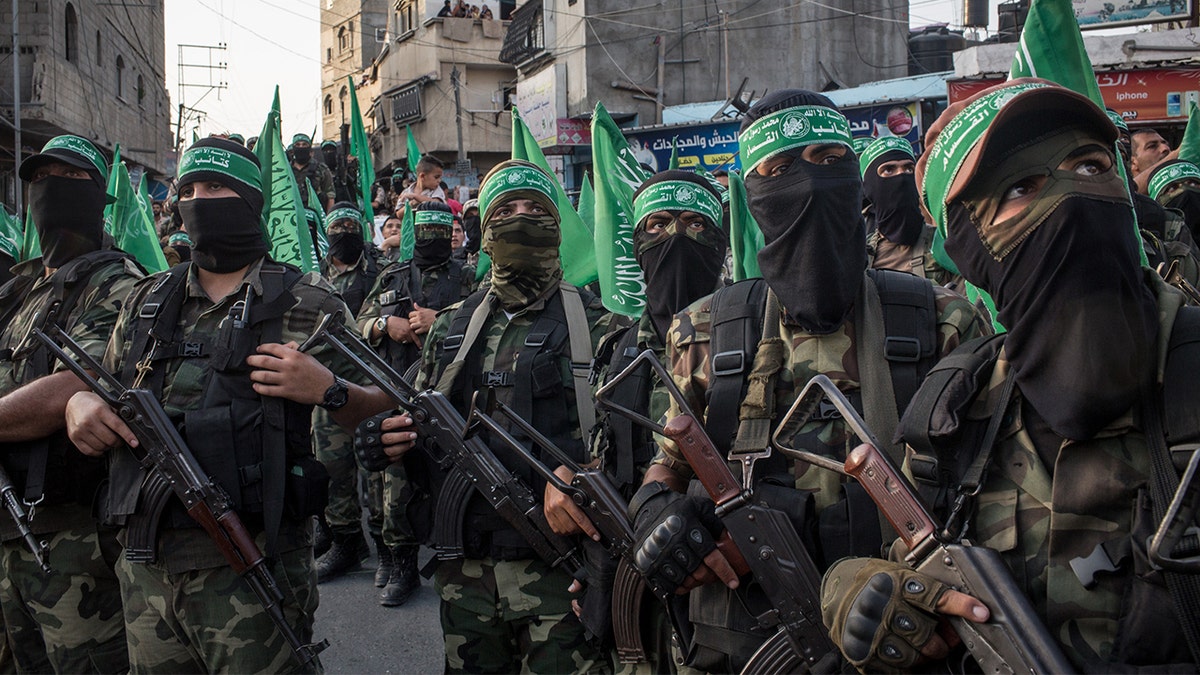
When Hamas launched its October 7 attack, killing 1,200 Israelis and taking 240 hostages, the world watched as Israel unleashed a military campaign that has killed over 35,000 Palestinians, according to Gaza health officials. The human toll has been staggering, but the strategic outcome remains elusive. For Trump, who has long framed himself as a dealmaker, the Gaza conflict presents a dilemma: his past support for Israel’s hardline stance now clashes with the reality of a war that shows no signs of ending.
Trump’s potential return to the presidency has injected new uncertainty into the conflict. His administration’s 2017 recognition of Jerusalem as Israel’s capital and his skepticism toward Palestinian statehood have emboldened Israeli Prime Minister Benjamin Netanyahu, who has resisted calls for a ceasefire. Yet Trump’s own rhetoric—including his suggestion that Israel should “finish the job” in Gaza—has complicated his ability to broker a solution. Meanwhile, Hamas, backed by Iran, has demonstrated remarkable resilience, using tunnels, rocket barrages, and asymmetric tactics to outlast Israel’s military campaign.
Key developments:
- November 2023 ceasefire: A temporary truce brokered by Qatar and Egypt allowed for the release of hostages and Palestinian prisoners, but the agreement collapsed within weeks as fighting resumed.
- January 2024 stalemate: Israel’s ground offensive in Rafah has stalled amid international pressure, while Hamas continues to hold hostages as leverage.
- Trump’s shifting stance: While Trump has avoided direct criticism of Netanyahu, his past comments—such as calling for a “two-state solution” in 2016—have left room for maneuvering if he returns to office.
What makes Gaza particularly tricky for Trump is the absence of a clear “win” condition. Unlike in Ukraine, where the U.S. Has framed the war as a proxy battle against Russia, Gaza lacks a defined enemy that Trump can rally public opinion against. Instead, he faces a choice: double down on Netanyahu’s approach (risking further escalation) or push for a negotiated settlement (which could alienate his base).
Analysts suggest that Trump’s best chance of influencing the conflict lies in leveraging his personal relationship with Netanyahu—one that has survived multiple political storms. But with Israel’s political landscape fractured and Hamas showing no signs of surrender, even Trump’s diplomatic skills may not be enough to break the deadlock.
—
Ukraine: The Aid Crisis and the Limits of Trump’s “Peace” Strategy
In Ukraine, Trump’s potential return to power has sent shockwaves through NATO. His repeated calls to end U.S. Military aid to Kyiv—framed as a way to pressure Ukraine into negotiations—have raised fears of a Russian resurgence. Yet as battlefield dynamics shift, Trump’s strategy faces growing skepticism, even among his own supporters.
Since Russia’s full-scale invasion in February 2022, the U.S. Has provided over $113 billion in military and humanitarian aid to Ukraine. Trump, however, has argued that this support has enabled a prolonged war without a clear endgame. His proposal—a “peace plan” that would involve Ukraine ceding territory in exchange for security guarantees—has been dismissed by Kyiv as a surrender. Yet with Russian forces making gains in the Donbas and along the front lines, the question of whether Ukraine can hold out without U.S. Backing has become more urgent.
Why Trump’s approach is facing backlash:
- Russian advances: Moscow’s recent gains in Avdiivka and other strategic areas have exposed weaknesses in Ukraine’s defenses, raising concerns that without sustained U.S. Aid, Kyiv could face collapse.
- Congressional resistance: Even among Republicans, Trump’s calls to defund Ukraine have split the party, with figures like Senator Mitch McConnell warning that such a move would embolden Putin.
- Public fatigue: Polls show declining support for the war in the U.S., with many voters—including Trump’s base—questioning whether the conflict is worth the cost.
Trump’s stance reflects a broader trend: the erosion of post-Cold War consensus that U.S. Global leadership is unassailable. His argument—that America should not be the “world’s policeman”—resonates with a segment of the electorate weary of endless wars. But in Ukraine, the stakes are higher than in past conflicts. A Russian victory would not only reverse NATO’s expansion but could also encourage other adversaries, from China to Iran, to test U.S. Resolve.
What complicates Trump’s position is that his “peace plan” lacks a clear mechanism for enforcement. Without a credible threat of military support, Ukraine has little incentive to negotiate from a position of weakness. Meanwhile, Russia, which has shown no willingness to compromise, sees Trump’s rhetoric as an opportunity to exploit divisions in the West.
For now, Trump’s influence on Ukraine remains limited. But if he were to take office, his ability to shape the conflict would depend on whether he could broker a deal that both Kyiv and Moscow could accept—or whether he would be forced to confront the reality that some wars cannot be won through diplomacy alone.
—
Iran: The Shadow Deal and the Risk of a Diplomatic Trap
While Gaza and Ukraine dominate headlines, a quieter but potentially more consequential development is unfolding in Iran. Reports suggest that indirect talks between the U.S. And Iran—facilitated by Oman and other regional mediators—are nearing a framework agreement. The discussions, which have been ongoing since Trump left office, could lead to a revival of the 2015 nuclear deal (JCPOA) or a new arrangement that addresses both Iran’s nuclear program and its regional proxies.
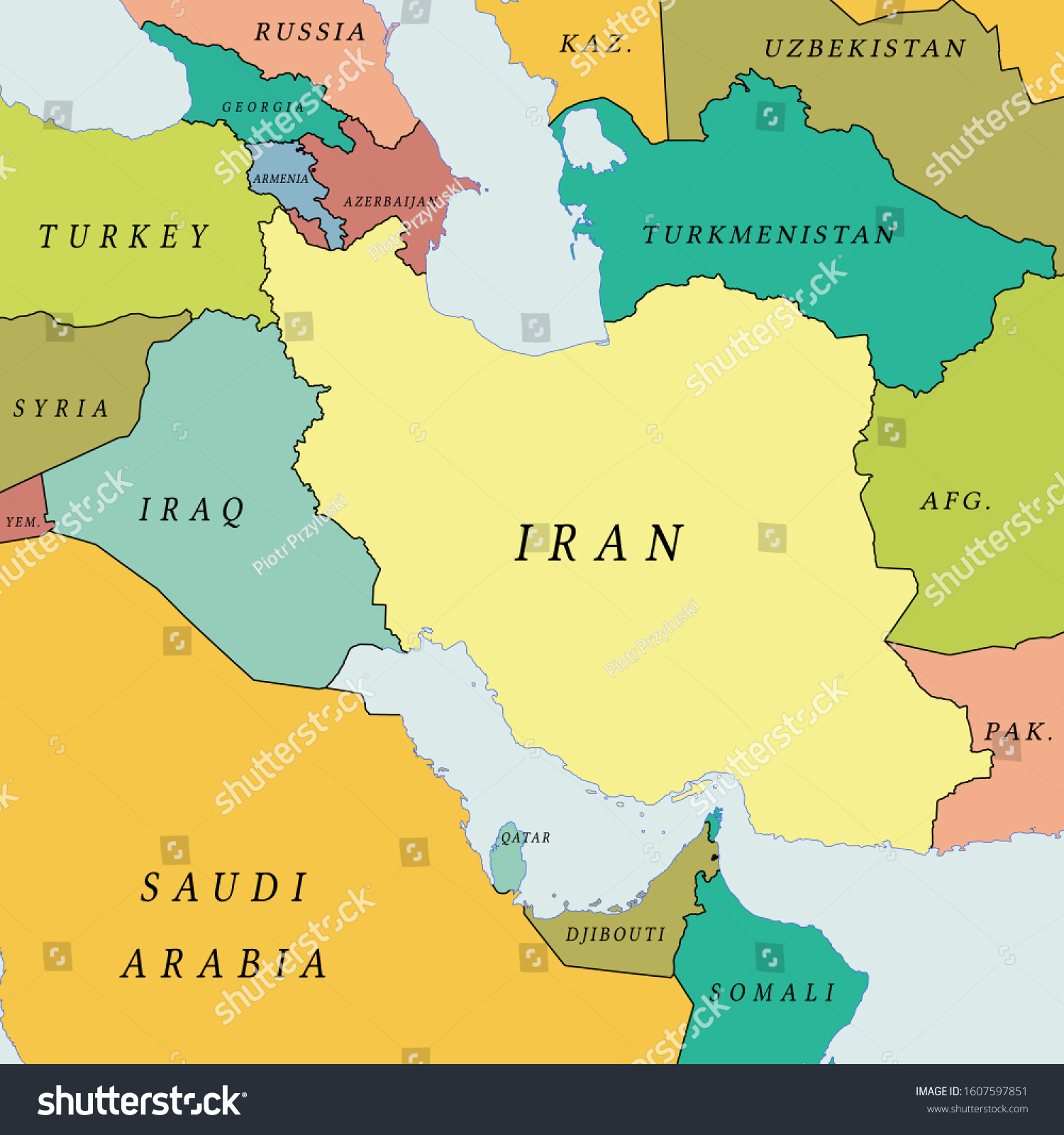
For Trump, this presents a dilemma. His administration’s “maximum pressure” campaign against Iran succeeded in isolating Tehran but failed to force regime change. Now, with Iran’s nuclear program advancing and its influence in Syria, Yemen, and Lebanon growing, the U.S. Faces a choice: continue sanctions and risk further proliferation, or engage in negotiations that could stabilize the region but also reward Iran’s defiance.
What’s at stake in the Iran talks:
- Nuclear progress: Iran has expanded its uranium enrichment capabilities, bringing it closer to a nuclear weapons threshold.
- Regional influence: Iran’s support for groups like Hezbollah and the Houthis has made it a dominant force in the Middle East.
- Trump’s legacy: His administration’s hardline stance on Iran has left little room for a diplomatic pivot, raising questions about whether he would walk away from a deal or try to renegotiate terms.
Trump’s past rhetoric—including his labeling of Iran as a “terrorist state”—has made any potential deal politically toxic. Yet the reality is that Iran’s challenges to U.S. Interests are not going away. The Islamic Republic’s economy is struggling under sanctions, but its military and proxy networks remain formidable. A deal, even a limited one, could provide temporary relief—but it would also require Trump to acknowledge that his “defeat Iran” strategy has not worked.
What makes this situation particularly delicate is the role of regional allies. Saudi Arabia, Israel, and the UAE have all expressed concerns about a U.S.-Iran rapprochement, fearing it could embolden Tehran. Trump, who has cultivated strong ties with these countries, would need to navigate these alliances carefully if he were to pursue a deal.
For now, the talks remain shrouded in secrecy. But if a framework emerges, Trump’s response could define his foreign policy approach in his second term. Would he embrace a pragmatic solution, or would he risk further isolation by rejecting diplomacy in favor of confrontation?
—
The Stalemate Factor: Why Trump’s Interventions Are Stuck
Across Gaza, Ukraine, and Iran, Trump’s foreign policy interventions share a common thread: they have reached a point of diminishing returns. The conflicts are no longer about clear victories or defeats but about managing perpetual crises where no side can declare triumph. This reality forces Trump into a position where his traditional playbook—bold moves, personal diplomacy, and high-pressure tactics—no longer guarantees results.
Three reasons why Trump’s interventions are stuck:
- Complexity of modern warfare: Unlike the Cold War, where proxy conflicts had defined battlefields, today’s wars are fought through hybrid tactics—cyberattacks, disinformation, and asymmetric warfare—that make traditional military solutions ineffective.
- Erosion of U.S. Leverage: Trump’s “America First” approach has weakened alliances, leaving him with fewer tools to pressure adversaries or reward allies.
- Domestic constraints: Even if Trump wanted to pursue aggressive diplomacy, his political base’s skepticism toward foreign entanglements limits his options.
Consider the case of Ukraine. Trump’s proposal to end aid unless Ukraine agrees to negotiate is a classic Trumpian gambit—use leverage to force a favorable outcome. But in this case, the leverage is weak. Ukraine’s survival depends on Western support, and without it, any “peace deal” would likely be imposed by Russia, not negotiated in good faith.
Similarly, in Gaza, Trump’s past support for Israel’s hardline policies now clashes with the reality of a war that has outlasted multiple governments. His ability to influence the outcome depends on whether he can persuade Netanyahu to adopt a different strategy—or whether he will be sidelined by Israel’s political dynamics.
And in Iran, the very success of Trump’s maximum pressure campaign has made diplomacy more difficult. Sanctions have weakened Iran’s economy, but they have also hardened its resolve. Any deal would require Trump to accept that his strategy of isolation has not worked—and that may be a bridge too far for his base.
What emerges is a foreign policy trapped between idealism and realism. Trump’s instincts are to make bold moves, but the current geopolitical landscape demands patience, compromise, and long-term thinking—qualities that have not been hallmarks of his approach.
—
What Comes Next: The Road Ahead for Trump’s Foreign Policy
The next few months will be critical in determining whether Trump’s interventions in Gaza, Ukraine, and Iran can break free from stalemate—or whether they will become defining examples of a foreign policy that is both bold and ineffective. For now, the signs are mixed.
In Gaza, the focus remains on hostage negotiations and the possibility of a broader ceasefire. If Trump were to take office, his personal relationships with Netanyahu and regional leaders could play a key role—but only if he can overcome Israel’s internal divisions and Hamas’s refusal to compromise.
In Ukraine, the immediate challenge is avoiding a Russian breakthrough. Trump’s calls to end aid have already weakened U.S. Influence, and without a clear path to peace, the risk of a collapse in Ukrainian resistance grows. If Trump were to reverse course and support aid, it would require a major shift in his rhetoric—but given his base’s opposition, such a move would be politically perilous.
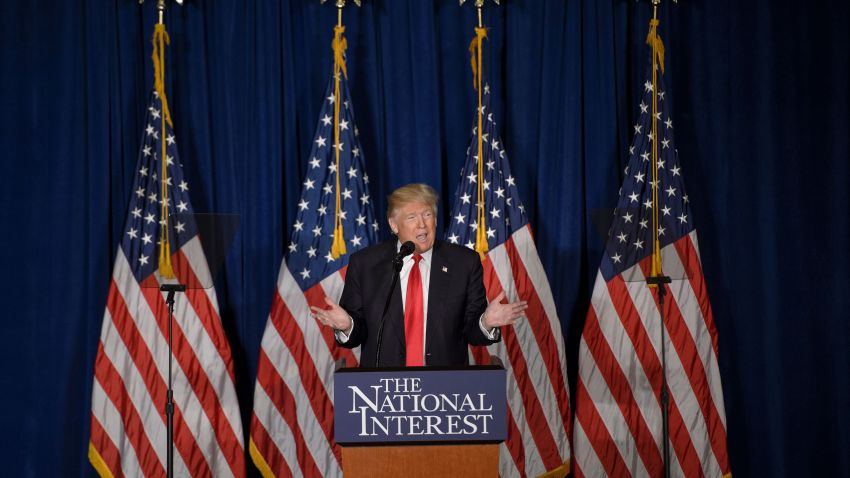
In Iran, the biggest wild card is whether the current talks will lead to a deal. If they do, Trump’s response will be telling. Would he embrace the agreement, or would he reject it in favor of continued sanctions? The answer could redefine U.S. Policy in the Middle East for years to come.
What is clear is that Trump’s foreign policy is at a crossroads. His interventions are no longer about making history—they are about managing crises that show no signs of resolution. Whether he can adapt his approach to this new reality will determine not just his legacy but the future of U.S. Influence on the world stage.
—
Key Questions and Answers
Q: Could Trump’s return to office actually help resolve the Gaza conflict?
A: It’s unlikely. Trump’s personal relationship with Netanyahu gives him influence, but Israel’s political divisions and Hamas’s refusal to negotiate make a breakthrough improbable. Any solution would require concessions from both sides—and Netanyahu’s government shows no signs of flexibility.
Q: What would happen if Trump cut off U.S. Aid to Ukraine?
A: The immediate impact would be a weakening of Ukraine’s defenses, potentially leading to Russian advances. Long-term, it could embolden Putin and signal to other adversaries that the U.S. Is no longer a reliable ally. Even some of Trump’s Republican supporters warn that such a move would be a strategic mistake.
Q: Is a U.S.-Iran deal possible under Trump?
A: It’s possible, but politically risky. Trump’s past rhetoric makes any engagement with Iran difficult, but the reality is that sanctions alone have not stopped Iran’s nuclear progress. A deal could provide temporary relief, but it would require Trump to accept that his “maximum pressure” strategy has failed.
Q: How does Trump’s approach compare to Biden’s?
A: Biden’s foreign policy has been defined by multilateralism and alliance-building, while Trump’s relies on personal diplomacy and transactional deals. Biden has faced criticism for being too cautious, while Trump is seen as too unpredictable. Both approaches have strengths and weaknesses, but the current stalemates suggest that neither has found a solution to these intractable conflicts.
Q: What are the biggest risks if Trump’s interventions fail?
A: The risks include further erosion of U.S. Influence, the potential for nuclear proliferation in Iran, and a Russian resurgence in Ukraine. Domestically, failure could undermine Trump’s credibility and deepen political divisions over foreign policy.
Q: Could Trump’s foreign policy shift if he faces a crisis?
A: Historically, Trump has been reactive rather than strategic. If a major crisis—such as a Russian breakthrough in Ukraine or a nuclear escalation in Iran—were to emerge, his response would likely be driven by immediate political calculations rather than long-term planning.
