
Trump lawyers deny BBC access to financial details in $10 billion lawsuit, FT says – Dawn
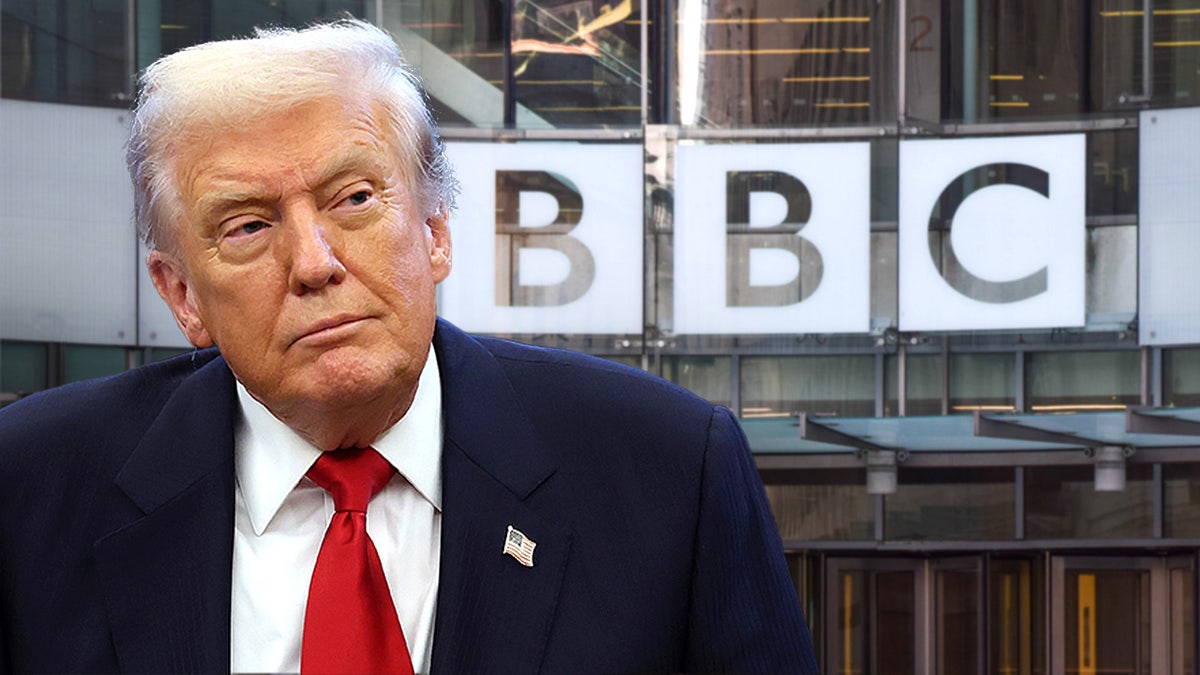
A high-stakes legal confrontation is unfolding in Florida as the legal team for Donald Trump moves to block the BBC from accessing sensitive financial information. This development comes amidst a massive $10 billion lawsuit, marking a critical juncture in a case that has already seen intense disputes over the rules of evidence and judicial oversight. The clash centers on the “discovery” phase of litigation—the process where both parties must exchange documents and evidence—which has now become a primary battlefield in the courtroom.
The scale of the claim, totaling $10 billion, places this case among the most significant legal challenges ever brought against a global media organization. However, as the proceedings progress, the focus has shifted from the merits of the initial complaint to a procedural war over what information must be disclosed. Reports indicate that Trump’s lawyers have sought to halt the discovery process, specifically aiming to shield financial records from the BBC’s legal team, leading to accusations that the case has entered a “discovery nightmare.”
The Core of the Conflict: The $10 Billion Demand
At the heart of this legal battle is a demand for $10 billion in damages. While the sheer magnitude of the figure is striking, it serves as a catalyst for a broader struggle over transparency and legal accountability. In lawsuits of this scale, the discovery process is designed to ensure that all relevant facts are brought to light before a trial begins. This typically includes internal communications, witness depositions, and, crucially, financial documentation.
The BBC, as the defendant, is seeking access to financial details to evaluate the claims made in the suit. In many high-value defamation or civil cases, financial records are necessary to determine if the damages claimed are grounded in actual loss or are symbolic in nature. By denying access to these details, Trump’s legal team is attempting to limit the scope of what the BBC can investigate, arguing that such requests are overly broad or intrusive.
Key Points of the Current Dispute:
- The Financial Block: Trump’s attorneys are actively resisting the disclosure of specific financial records to the BBC.
- Discovery Halt: There have been formal attempts to stop the discovery process entirely or significantly narrow its parameters.
- The Venue: The legal proceedings are taking place in Florida, a jurisdiction that has become a focal point for various legal challenges involving the former president.
Understanding the “Discovery Nightmare” in Florida
Legal analysts have described the current state of the proceedings as a “discovery nightmare.” To understand why, it is necessary to understand how the discovery phase functions in the United States legal system. Discovery is the pre-trial phase where each party can obtain evidence from the other party. This can include:
- Interrogatories: Written questions that must be answered under oath.
- Requests for Production: Demands for specific documents, emails, or financial statements.
- Depositions: Out-of-court oral testimonies given under oath.
When one party refuses to provide requested documents—or claims that records are missing—the court must intervene. In this case, reports suggest that the BBC’s efforts to secure financial records have “hit a wall” due to missing documentation and legal objections. When a plaintiff sues for a specific dollar amount, the defense typically has a right to examine the financial health and records of the plaintiff to challenge the valuation of those damages.
The “nightmare” element arises when the court must spend months or years litigating how to conduct discovery before the actual trial even begins. If the court finds that a party is intentionally withholding evidence or that records have been improperly destroyed, it can lead to sanctions or “adverse inference” rulings, where the judge assumes the missing evidence would have been harmful to the party that lost it.
Judicial Tension and the Request for Removal
The friction in the case has extended beyond the opposing legal teams to include the presiding judge. In a bold legal maneuver, Donald Trump’s representatives have sought to have the Florida judge removed from the case. Such requests for recusal or removal are often based on claims of bias or a failure to maintain impartiality.
The attempt to remove the judge suggests a breakdown in the relationship between the court and the plaintiff’s legal team. If the judge has been leaning toward granting the BBC’s requests for financial transparency, the move to remove the judge can be seen as a strategic attempt to find a more favorable judicial perspective on the discovery process.
The battle over the Florida judge is not merely a procedural hurdle; it is a strategic effort to control the environment in which the $10 billion claim will be adjudicated.
Comparing Legal Strategies in High-Profile Suits
This case follows a pattern often seen in high-stakes litigation involving public figures. The strategy typically involves several stages:
| Strategy Stage | Typical Action | Goal in the BBC Case |
|---|---|---|
| The Filing | Demand for an exceptionally high sum (e.g., $10 billion). | Establish a position of strength and attract media attention. |
| Discovery Resistance | Fighting requests for internal or financial documents. | Prevent the defense from finding evidence that weakens the claim. |
| Judicial Challenge | Seeking the removal of the presiding judge. | Ensure the case is heard by a judge sympathetic to the plaintiff’s view. |
The Implications for Press Freedom and Legal Precedent
Beyond the immediate financial stakes, the case of Trump vs. BBC carries significant implications for the relationship between powerful individuals and the press. When a media organization is sued for billions of dollars, the cost of defense alone can be staggering, regardless of the eventual outcome.
The struggle over financial records is particularly poignant. If the court rules that a plaintiff can claim billions in damages without providing the financial records to back up those claims, it could set a precedent that makes it easier for wealthy individuals to use the legal system to intimidate news organizations. Conversely, if the court forces a total disclosure of private financial data, it raises questions about the limits of privacy for public figures involved in civil litigation.
Legal experts suggest that this case will likely be viewed as a test of the “actual malice” standard and the boundaries of discovery. In the U.S., public figures must prove that a statement was made with “actual malice”—meaning the publisher knew it was false or acted with reckless disregard for the truth. The discovery of internal financial records and communications is often the only way to prove or disprove this standard.
Potential Outcomes of the Discovery Dispute
Depending on how the Florida court handles the request to halt discovery and the motion to remove the judge, several scenarios could emerge:
- The Compromise: The judge may allow a “protective order,” where the BBC can see the financial records, but they must be kept under seal and cannot be shared with the public.
- The Sanction: If the court finds that records were intentionally withheld or “missing” without a valid reason, the judge could issue sanctions against Trump’s legal team.
- The Dismissal: In extreme cases, if a plaintiff refuses to participate in the discovery process required by law, a judge may dismiss the case entirely for failure to prosecute.
- The Recusal: If the judge is removed, a new judge will be appointed, which could either accelerate the discovery process or provide a new shield for the plaintiff’s records.
The Broader Context of Strategic Litigation
To understand why this case is unfolding this way, it is helpful to look at it through the lens of “Strategic Lawsuits Against Public Participation” (SLAPPs). While not every high-value suit is a SLAPP, the hallmarks—such as an astronomical damage request and aggressive efforts to block the defense’s access to evidence—often align with the goal of exhausting the opponent’s resources rather than winning a judgment on the merits.
By fighting every discovery request and challenging the judge, the plaintiff’s team increases the “cost of defense” for the BBC. This creates a pressure point where the defendant might be more inclined to settle, even if they believe their reporting was accurate. However, the BBC’s persistence in seeking financial records indicates a willingness to fight the case to a conclusion to avoid setting a precedent of submission.
For those following the legal developments, the focus should remain on the procedural victories. In the American legal system, the party that wins the discovery battle often wins the case, as they control what evidence the jury eventually sees.
Common Misconceptions About This Case
There are several common misunderstandings regarding the nature of this lawsuit that are worth clarifying:
- Misconception: The $10 billion is a guaranteed payout.
Correction: The $10 billion is a requested amount. Courts rarely award the full amount requested in defamation suits, often reducing them significantly based on actual proven losses. - Misconception: Discovery is just a formality.
Correction: Discovery is often the most contentious part of a lawsuit. It is where the “smoking gun” documents are usually found, which is why lawyers fight so hard to limit it. - Misconception: Removing a judge is a common or easy process.
Correction: Judges are rarely removed from cases. A request for recusal must typically be backed by evidence of a conflict of interest or a clear bias that prevents a fair trial.
For further reading on how these legal mechanisms work, you may find a related explainer on defamation law helpful in understanding the burden of proof in these cases.
Frequently Asked Questions
Why are Trump’s lawyers denying the BBC access to financial records?
The legal team is likely attempting to protect private financial information and prevent the BBC from finding evidence that could be used to challenge the $10 billion valuation of the damages claimed in the lawsuit.
What does “discovery” mean in the context of this lawsuit?
Discovery is the legal process where both the plaintiff (Trump) and the defendant (BBC) exchange evidence, documents, and testimony before the trial begins to ensure both sides have the facts necessary for the case.
Why is the case being heard in Florida?
The choice of venue is often strategic in civil litigation. Florida may have been chosen based on jurisdictional ties or the perceived legal environment regarding defamation and discovery laws.
Can a judge actually be removed from a case?
Yes, but it is uncommon. A judge can be removed if they are found to be biased, have a conflict of interest, or if a motion for recusal is granted based on legal grounds.
What happens if the financial records are truly “missing”?
If the court determines that a party failed to produce records they were legally required to keep, the judge can issue sanctions or tell the jury to assume that the missing evidence would have been unfavorable to the party that lost it.
As the proceedings continue in Florida, the resolution of the discovery dispute will likely dictate the trajectory of the entire case. Whether the court compels the disclosure of financial details or grants the request to remove the judge, the outcome will send a strong signal about the balance between the privacy of public figures and the rights of the press to a fair defense.
