
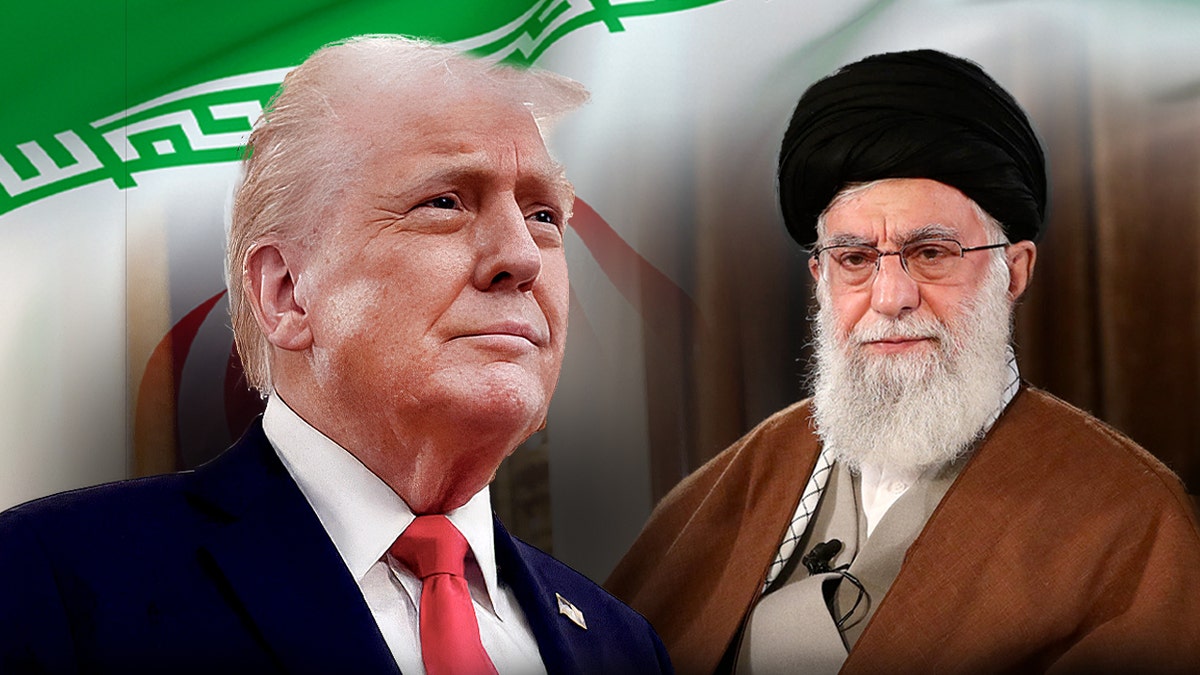
U.S. President Donald Trump announced that a peace agreement with Iran is expected to be signed this Sunday, promising the reopening of the Strait of Hormuz. While officials in Pakistan indicated a deal could be finalized within 24 hours, Iranian authorities in Tehran have rejected that specific timeline, according to international media reports.
- Expected Signing: Sunday (per U.S. statements).
- Primary U.S. Demand: Complete nuclear surrender by Iran.
- Strategic Objective: Reopening of the Strait of Hormuz.
- Timeline Dispute: Pakistan predicts a 24-hour window; Tehran denies this scenario.
What are the terms of the proposed U.S.-Iran deal?
President Donald Trump stated that the upcoming agreement requires the Iranian government to surrender its nuclear capabilities. According to public statements, Trump claimed to have “unmasked” falsehoods propagated by the Iranian regime as a prerequisite for the deal. A central component of the U.S. position involves the strategic reopening of the Strait of Hormuz, a critical chokepoint for global oil shipments.
Why is there a conflict over the signing timeline?
Conflicting reports have emerged regarding when the agreement will be finalized. Government sources in Pakistan suggested that a peace deal between the U.S. and Iran would likely be completed within a 24-hour window. However, according to reports from regional media, officials in Tehran have explicitly rejected the possibility of a deal being reached in that timeframe.
This discrepancy highlights a gap between external diplomatic optimism and the official stance of the Iranian government. While Trump has set a firm date for Sunday, the Iranian rejection of the 24-hour window suggests continued friction over the final terms or the timing of the announcement.
How does this impact regional stability?
The focus on the Strait of Hormuz indicates that the U.S. is prioritizing the security of maritime trade routes in the Persian Gulf. By linking the peace agreement to the reopening of the strait, the U.S. aims to stabilize energy markets that are frequently volatile due to tensions between Washington and Tehran.
The demand for “nuclear surrender” marks a hardline approach to non-proliferation, contrasting with previous diplomatic frameworks that sought a gradual reduction of Iran’s nuclear program. The outcome of the Sunday deadline will determine whether the region moves toward a structured peace or remains in a state of diplomatic deadlock.
