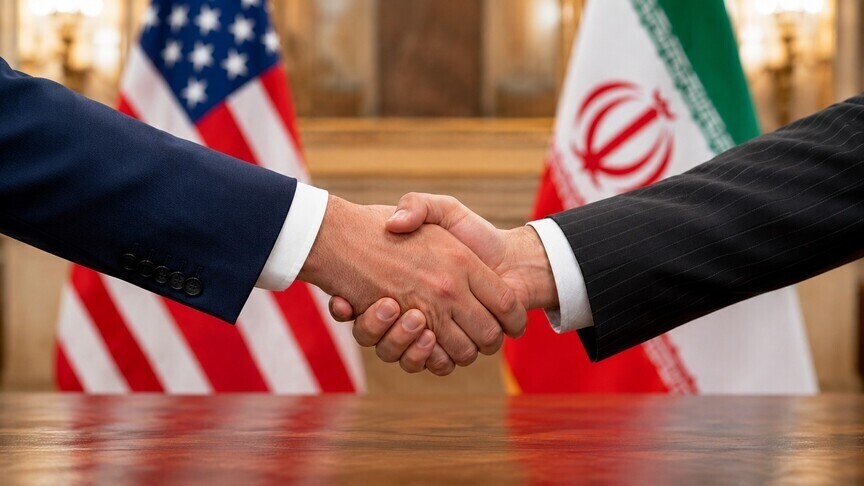
Qatar has announced the opening of negotiations between the United States and Iran in Switzerland. However, the diplomatic push faces immediate tension as Donald Trump threatened to strike Iran “very hard” if its allies in Lebanon continue to cause problems, according to reports from Anadolu Ajansı and Le Monde.
- Negotiation Venue: Switzerland
- Mediating Party: Qatar
- US Condition: Cessation of activities by Iranian allies in Lebanon
- Primary Threat: Military strikes against Iran
How the Swiss Negotiations Were Initiated
The announcement of talks in Switzerland comes via Qatar, which has acted as a primary intermediary between Washington and Tehran. According to reports from Anadolu Ajansı, these discussions aim to establish a diplomatic channel to resolve ongoing frictions. Switzerland has historically served as a protecting power for the U.S. in Iran, providing a neutral ground for sensitive diplomatic exchanges.
Trump’s Warnings Over Lebanese Allies
The diplomatic opening coincides with aggressive rhetoric from Donald Trump. According to Le Monde and 20 Minutes, Trump issued a direct threat to strike Iran with significant force if the country’s allies in Lebanon continue to "cause problems."
Donald Trump threatened to strike Iran “very hard” if its allies in Lebanon continue to “cause problems.”
Reports from Le Monde and 20 Minutes
This condition links the success of the Swiss negotiations directly to the behavior of Iranian-backed proxies in the Levant, signaling that the U.S. administration views regional stability in Lebanon as a prerequisite for diplomatic progress with Tehran.
Obstacles Facing Washington and Tehran
International observers suggest the current diplomatic effort is precarious. According to Le Point, the agreement is already fragile, facing significant obstacles that could derail the process before it gains momentum. La Voix du Nord reported that Trump’s threats were issued almost immediately after the discussions were launched, creating a contradictory environment of simultaneous negotiation and military intimidation.
The friction centers on the U.S. demand for Iran to restrain its regional partners, a point of contention that has historically hindered long-term agreements between the two powers.
