Trump says China to buy 200 Boeing jets, order could rise up to 750 – Reuters
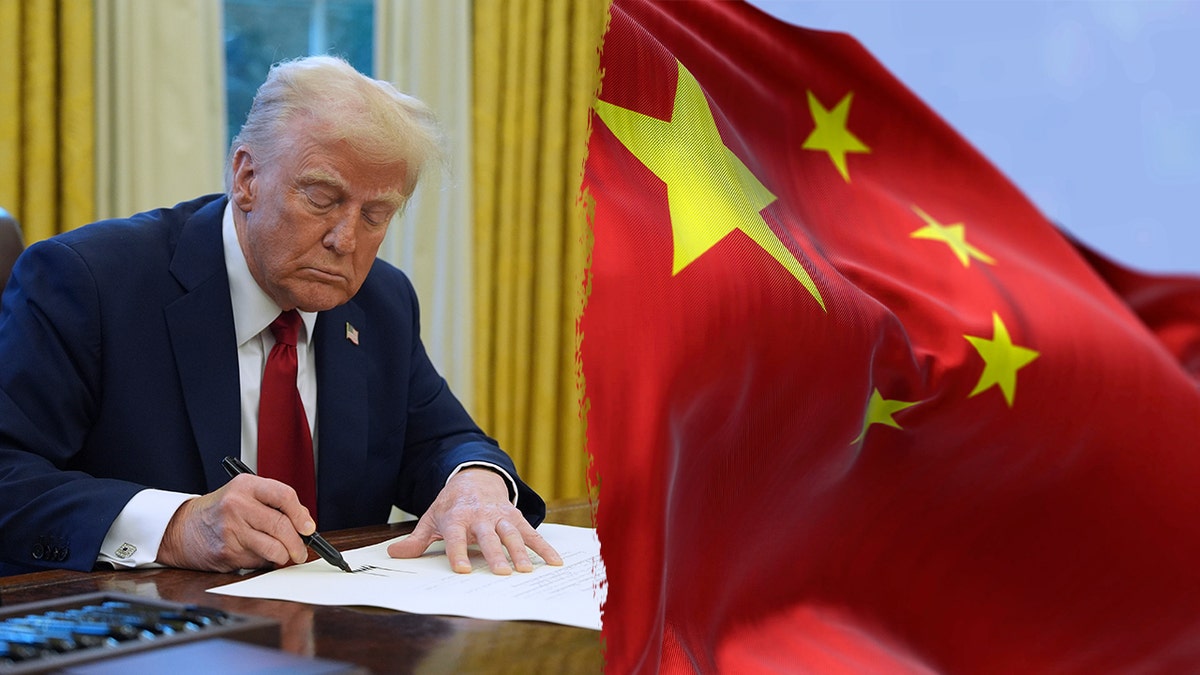
In a move that signals a potential shift in the aerospace trade landscape, President Donald Trump has announced that China is set to purchase 200 Boeing aircraft. The announcement, which has sent ripples through the global aviation industry and financial markets, carries an even more ambitious caveat: the total number of aircraft could potentially climb to 750, depending on the execution and success of the initial phase of the agreement.
This development, first highlighted in reports indicating that Trump says China to buy 200 Boeing jets, order could rise up to 750 – Reuters, comes at a critical juncture for the American aerospace giant. Boeing has been navigating a period of intense operational scrutiny and market volatility, making any substantial return to the Chinese market a pivotal milestone for its long-term recovery strategy.
While the headline figures are staggering, the announcement has been met with a mixture of optimism and cautious skepticism. Market analysts and political observers are closely examining the gap between the initial order and the conditional promise of hundreds more, questioning the specific terms that would trigger such a massive expansion of the deal.
The Core of the Agreement: 200 Jets and the Path to 750
The primary thrust of the announcement centers on a deal that includes approximately 200 planes. According to statements made by the President, this initial commitment serves as the foundation for a broader trade relationship. However, the most striking aspect of the claim is the possibility of the order expanding significantly.
“The deal includes approximately 200 planes and a promise of up to 750 if they do a solid job,” Trump told reporters.
This conditional structure—linking future orders to performance or specific benchmarks—is a characteristic hallmark of the administration’s approach to international trade. By framing the potential for 750 jets as a reward for “doing a good job,” the U.S. Government maintains a level of leverage over the Chinese procurement process.
Key Components of the Announcement
- Initial Commitment: Approximately 200 Boeing aircraft.
- Potential Ceiling: Up to 750 aircraft based on performance metrics.
- Primary Objective: Boosting U.S. Exports and revitalizing a key domestic manufacturing sector.
- Communication Channel: The details were shared via interviews, including a discussion with Fox News.
For Boeing, the immediate impact of 200 jets is a significant win, providing a much-needed boost to the order book. Yet, the “promise” of 750 creates a speculative environment where the company’s future valuation may be tied to a target that remains elusive and contingent on geopolitical goodwill.
Boeing’s Strategic Gamble: The Quest for a Comeback
Boeing is currently operating in a high-stakes environment where its ability to regain market share depends on three primary pillars: political alignment, the reopening of the Chinese market and the development of a new aircraft.
China has historically been one of Boeing’s most vital markets. The disruption of deliveries to Chinese carriers over the last several years—driven by trade tensions and safety concerns—created a vacuum that competitors, most notably Airbus, were eager to fill. A return to large-scale orders from China is not merely a financial gain. it is a strategic necessity to prevent a permanent shift in market dominance toward European manufacturers.
The Role of a New Aircraft
Industry insiders suggest that Boeing’s comeback is not solely dependent on political deals. There is a pressing need for an “elusive new plane”—a next-generation aircraft that can compete with the efficiency and capacity of the latest offerings from rivals. While the China deal provides a short-term surge in orders, the long-term viability of the company relies on its ability to innovate and deliver a platform that meets the evolving needs of global airlines.
| Strategic Pillar | Immediate Goal | Long-term Objective |
|---|---|---|
| Political Leverage | Secure immediate orders via trade deals | Stabilize US-China aerospace relations |
| Chinese Market | Resume deliveries of existing models | Regain dominant market share in Asia |
| Product Innovation | Address current fleet issues | Launch a competitive next-gen aircraft |
Market Reaction: Why the Stock Didn’t Soar
Despite the magnitude of the numbers—200 to 750 jets—the financial markets have not responded with unbridled enthusiasm. In some instances, Boeing’s stock has faced downward pressure following the news. This paradox can be attributed to the difference between a “political announcement” and a “binding commercial contract.”
Investors typically look for firm orders with delivery schedules and payment terms. When a deal is presented as a “promise” or is contingent on vague criteria like “doing a good job,” Wall Street tends to discount the value. For many analysts, the initial 200-jet figure, while substantial, may not be “big enough” to offset the systemic challenges Boeing is currently facing, including production delays and quality control hurdles.
Factors Dampening Investor Enthusiasm
- Lack of Granular Detail: The absence of specific delivery timelines or aircraft models makes it difficult for analysts to model future revenue.
- Geopolitical Risk: The history of US-China trade volatility means that “promises” can be revoked or delayed based on non-commercial disputes.
- Execution Concerns: There are lingering questions about whether Boeing’s current production capacity can handle a sudden influx of hundreds of orders without compromising quality.
the market is treating the announcement as a positive signal of diplomatic thawing, but not yet as a guaranteed financial windfall.
The Geopolitical Chessboard: Trade Deals and Scarcity of Detail
The announcement that Trump says China to buy 200 Boeing jets, order could rise up to 750 – Reuters fits into a broader pattern of “fantastic trade deals” touted by the administration. However, a recurring theme among critics and economic observers is the scarcity of concrete details accompanying these claims.
In the realm of international diplomacy, the announcement of a deal is often as much about the perception of victory as it is about the actual transaction. By publicizing a potential 750-jet order, the administration signals strength and success in negotiating with Beijing. However, the lack of a formal, transparent contract leaves room for interpretation and potential disappointment if the numbers do not materialize in the official corporate filings.
The “Trade-Off” Dynamic
It is widely understood that aircraft orders are frequently used as pawns in larger trade negotiations. China may agree to purchase Boeing jets in exchange for concessions on tariffs, agricultural imports, or intellectual property rights. This makes the Boeing deal a barometer for the overall health of US-China relations.
If the order remains at 200, it suggests a cautious, transactional relationship. If it scales toward 750, it would indicate a profound strategic realignment and a high level of trust—or a very high price paid in other concessions.
For those following the story, a related explainer on US-China trade tariffs may provide further context on how these aerospace deals fit into the wider economic struggle.
Industry Implications and Competitive Pressure
The potential for a massive Boeing order from China has significant implications for the global aerospace supply chain. The production of hundreds of wide-body and narrow-body jets requires a massive mobilization of parts, labor, and raw materials.

Impact on the Supply Chain
A surge in orders could lead to several outcomes:
- Increased Pressure on Suppliers: Boeing’s tier-one and tier-two suppliers would need to scale up production rapidly, potentially leading to bottlenecks.
- Job Creation: Increased production typically leads to hiring surges in manufacturing hubs across the United States.
- Resource Competition: A massive ramp-up in Boeing production could tighten the availability of aerospace-grade aluminum and titanium globally.
The Airbus Factor
While Boeing focuses on its comeback, Airbus continues to maintain a strong presence in China. Any deal Boeing secures will be viewed through the lens of the “duopoly” that defines the large-aircraft market. If China diversifies its fleet by splitting orders between the two giants, it maintains leverage over both. If it swings heavily back to Boeing, it signals a shift in the geopolitical wind.
Common Misconceptions Regarding the Boeing-China Deal
In the wake of breaking news, several oversimplifications often emerge. It is important to clarify the reality of how these deals function to avoid misleading conclusions.
Misconception 1: “The planes are being delivered immediately.”
Correction: An “order” is not a “delivery.” There is a significant time lag between the announcement of an order and the actual delivery of the aircraft. Boeing’s current backlog and production constraints mean that these planes will likely be delivered over several years, not months.
Misconception 2: “The 750-jet figure is a guaranteed contract.”
Correction: As stated in the reports, the 750 figure is a “promise” contingent on performance. It is a ceiling, not a floor. In the aerospace industry, “memorandums of understanding” often differ significantly from final, binding purchase agreements.
Misconception 3: “This deal solves all of Boeing’s problems.”
Correction: While a large order provides revenue and prestige, it does not solve underlying issues related to safety certifications, regulatory scrutiny from the FAA, or the need for a new aircraft design to compete with newer, more efficient models.
Analyzing the Long-Term Outlook
The trajectory of this deal will likely serve as a litmus test for the current administration’s trade strategy. The success of the Boeing-China agreement depends on the transition from political rhetoric to industrial reality.
Key indicators to watch in the coming months include:
- Official SEC Filings: Boeing’s quarterly reports will eventually reveal the actual number of firm orders versus “options” or “letters of intent.”
- Delivery Schedules: The pace at which Boeing can actually ship aircraft to Chinese carriers will indicate whether the production line is truly recovered.
- Reciprocal Trade Actions: Whether China follows through with other trade commitments in exchange for these aircraft purchases.
the announcement that Trump says China to buy 200 Boeing jets, order could rise up to 750 – Reuters is a high-profile opening gambit. Whether it evolves into a transformative industrial victory or remains a diplomatic talking point depends on the granular details that have, thus far, remained scarce.
Frequently Asked Questions
How many planes is China actually buying?
The current announcement specifies an initial order of approximately 200 Boeing jets, with a conditional promise that the number could increase up to 750 if certain performance benchmarks are met.
Why did Boeing’s stock not rise significantly after the news?
Investors often distinguish between political announcements and binding commercial contracts. The lack of specific delivery dates, pricing, and the conditional nature of the “up to 750” figure led many market analysts to view the news with caution rather than immediate optimism.
What is the significance of the “750 jets” figure?
A 750-jet order would be one of the largest in aviation history. It would represent a massive endorsement of Boeing’s products and a significant shift in the US-China trade balance, though it remains a conditional target rather than a guaranteed order.
Does this deal mean Boeing has a new plane?
No. The deal concerns existing Boeing models. However, industry analysts emphasize that for a full and sustainable comeback, Boeing still needs to develop and launch a next-generation aircraft to remain competitive with rivals like Airbus.
How does this affect the US-China trade war?
Aircraft are often used as bargaining chips in trade negotiations. This deal suggests a willingness to use commercial procurement to ease trade tensions, potentially serving as a precursor to broader agreements on tariffs and trade barriers.
For more information on how these deals impact the global economy, you may find a related analysis on global aerospace trends useful.
