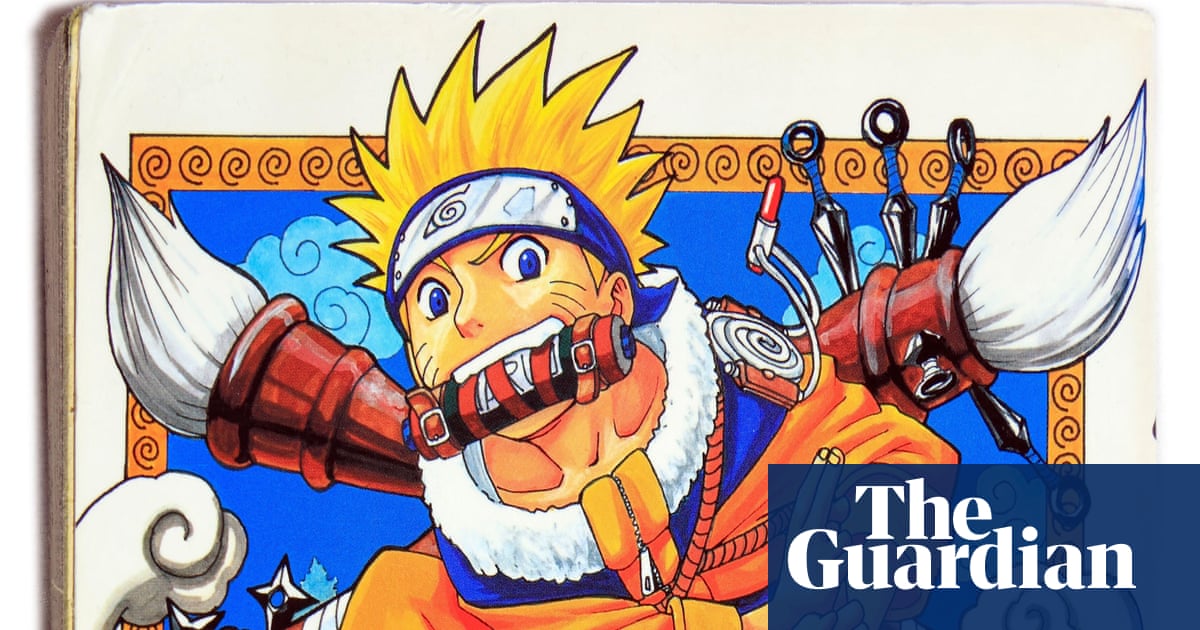
Japanese Manga Fans Urge Trump to Stop Using Characters in His Online Posts
Japanese manga fans have launched a coordinated campaign calling on Donald Trump to cease the use of AI-generated anime characters in his social media posts. The backlash follows the release of a video depicting the former president in the style of the popular series Naruto, which has prompted nearly 20,000 people to sign a petition demanding an end to the use of AI anime footage by Trump and the White House, according to Gamereactor UK.
Why Japanese Manga Fans Are Protesting AI-Generated Content
The primary driver of the protest is the perceived misuse of established intellectual property and the ethical concerns surrounding generative artificial intelligence. According to reports from The Guardian, fans argue that the appropriation of manga aesthetics for political messaging distorts the original intent of the art and the characters involved.
Critics point to several core issues:
- Intellectual Property Rights: The use of characters that resemble copyrighted figures from the Naruto franchise without official licensing.
- AI Ethics: The reliance on AI tools to mimic the distinct styles of human artists, a practice widely condemned by the global illustration community.
- Cultural Misalignment: The disconnect between the themes of the source material and the political branding of the user.
The friction is not merely about the imagery but the medium. The use of AI to generate these visuals is seen by many in the anime community as a violation of the craftsmanship inherent in traditional manga production. According to Gamereactor UK, the petition specifically targets the “AI anime footage,” signaling that the method of creation is as offensive to the community as the content itself.
The Naruto Video Controversy: What Happened?
The conflict intensified after a video surfaced showing Donald Trump reimagined as a hero in the style of Naruto. The video employs AI-driven animation to blend the former president’s likeness with the visual hallmarks of the long-running Japanese series, including specific clothing styles and action sequences typical of the “shonen” genre.
The Japan Times reports that the video sparked immediate backlash across social media platforms. While some viewers viewed the content as a digital novelty, a significant portion of the manga community viewed it as an invasive use of a beloved cultural export. The backlash centers on the idea that the video leverages the popularity of Japanese pop culture to enhance a political image without respecting the source material.
According to Rappler, the video is not just a visual mismatch but a conceptual failure. The outlet notes that the content “misses the point entirely,” suggesting that the core values of the Naruto series—which emphasize empathy, hard work, and the struggle for recognition—are fundamentally at odds with the political persona presented in the AI footage.
Nearly 20,000 Signatures: The Scale of the Backlash
The resistance has moved beyond social media comments to formal organized action. A petition aimed at stopping the use of AI anime footage by Donald Trump and the White House has garnered nearly 20,000 signatures, as reported by Gamereactor UK.
This volume of signatures indicates a broad coalition of dissatisfied users, ranging from casual viewers to dedicated manga historians and digital artists. The petition serves as a formal request for the cessation of AI-generated anime content in official or semi-official political communications.
| Metric | Detail | Source |
|---|---|---|
| Petition Signatures | Nearly 20,000 | Gamereactor UK |
| Primary Character Referenced | Naruto Uzumaki | The Japan Times / Rappler |
| Core Grievance | AI-generated appropriation | The Guardian |
The Conflict Between AI Anime and Artistic Integrity
The protest against the Trump anime videos is a symptom of a larger, global conflict regarding generative AI in the creative arts. Manga artists in Japan and illustrators worldwide have expressed concern that AI models are trained on their work without consent or compensation.
When a political figure uses AI to mimic a specific anime style, it validates the use of these tools over human artists. For the manga community, this is not a harmless meme but a step toward the devaluation of professional illustration. The Guardian highlights that fans urge Trump to stop using these characters because the act trivializes the labor involved in creating the original series.
Furthermore, the “Naruto-style” aesthetic is a result of decades of specific artistic evolution by Masashi Kishimoto and his team. The use of an AI to replicate this in seconds for a political campaign is viewed by many as an act of cultural and professional plagiarism.
The Role of ‘Prompt Engineering’ vs. Artistry
Much of the anger stems from the difference between creating art and “prompting” it. In the case of the Trump videos, the imagery is produced by inputting descriptions into an AI generator. Fans argue that this process lacks the intentionality and soul of the original manga, leading to the “pointless” nature of the video cited by Rappler.
Cultural Misinterpretation and the ‘Naruto’ Philosophy
To understand why the response has been so visceral, it is necessary to examine the philosophy of the Naruto series. The story follows an outcast who, through sheer will and kindness, eventually earns the respect of his community and becomes the leader (Hokage) of his village.
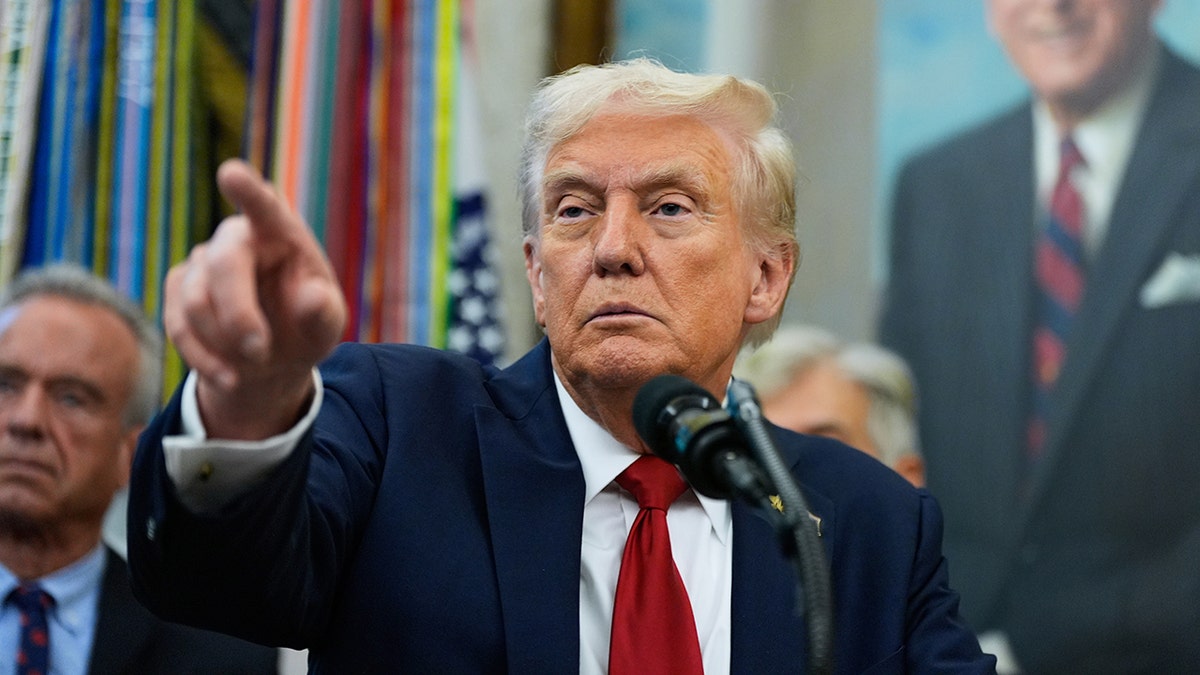
Rappler asserts that the AI video fails because it ignores these themes. By simply placing a political figure in the “costume” of a hero, the video attempts to borrow the prestige and emotional weight of the character without embodying the virtues the character represents. This is viewed by fans as a superficial appropriation of Japanese culture for the purpose of American political branding.
This misalignment creates a “cultural clash” where the symbols of a global phenomenon are used as mere props. According to The Japan Times, this has led to a sense of frustration among Japanese fans who see their cultural exports being stripped of meaning for the sake of online engagement.
Official Redesigns and Digital Listings
Adding to the confusion and controversy are digital footprints suggesting a more formal connection. A listing on IMDb references a “New Naruto Uzumaki Redesign” associated with Trump’s White House. While this appears to be a digital anomaly or a specific entry rather than a sanctioned artistic collaboration, it has contributed to the narrative that there is an attempt to “rebrand” existing characters to fit a specific political image.
The existence of such listings, even if unofficial, fuels the fire for those signing the petition. It suggests a level of permanence or “officialdom” to the AI-generated content that fans find particularly objectionable. The idea of an “official redesign” of a character like Naruto—especially one linked to a political administration—is seen as an overreach of influence over intellectual property.
Key Points of Contention in the Redesign Narrative
- Authenticity: The belief that only the original creators should determine the “redesign” of a character.
- Political Branding: The risk of associating a non-partisan fictional character with a specific political ideology.
- Digital Misinformation: How IMDb listings or social media posts can make AI experiments look like official government initiatives.
The Broader Implications for Political Campaigning and AI
The incident serves as a case study in the risks of using AI for political communication. While AI can create eye-catching visuals that go viral, it can also alienate specific demographics if the content is perceived as tone-deaf or exploitative.
Political campaigns are increasingly turning to AI to reach younger audiences, often utilizing memes or pop-culture references. However, as seen in the response from Japanese manga fans, there is a thin line between “connecting with youth culture” and “appropriating culture.”
The backlash suggests that audiences are becoming more sophisticated in their understanding of AI. They are no longer just looking at the final image but are questioning how that image was made and whose work was used to train the machine. This marks a shift in digital literacy where the process of creation is now a political and ethical issue in itself.
For those interested in the intersection of technology and law, this situation may eventually lead to tighter regulations on how AI can be used to mimic copyrighted styles in political advertising. Related explainer on AI copyright laws could provide further context on the legal hurdles facing generative AI.
Common Misconceptions Regarding the Controversy
Several misunderstandings have circulated regarding this dispute. Some suggest that the protest is purely political, based on a dislike of Donald Trump. However, the evidence from the Gamereactor UK petition and the reporting from The Guardian suggests the core issue is the use of AI and the appropriation of manga.
Another common misconception is that the characters are “public domain” because they are globally recognized. In reality, Naruto is a strictly protected intellectual property. The use of AI to mimic the style does not necessarily violate current law in all jurisdictions, but it violates the social and ethical norms of the artistic community.
Finally, some argue that the videos are “just a joke.” The response from the manga community indicates that when a joke involves the potential erasure of human artists’ livelihoods and the distortion of cultural symbols, it ceases to be viewed as harmless entertainment.
Frequently Asked Questions
Why are manga fans upset with Donald Trump’s AI videos?
Fans are primarily concerned with the use of AI to mimic the style of the Naruto series without permission. According to The Guardian, they view this as an appropriation of Japanese culture and an ethical violation of the artists’ work who created the original series.
How many people have signed the petition against the AI anime footage?
According to Gamereactor UK, nearly 20,000 people have signed the petition urging Donald Trump and the White House to stop using AI-generated anime content on social media.
What is the “Naruto” connection in this story?
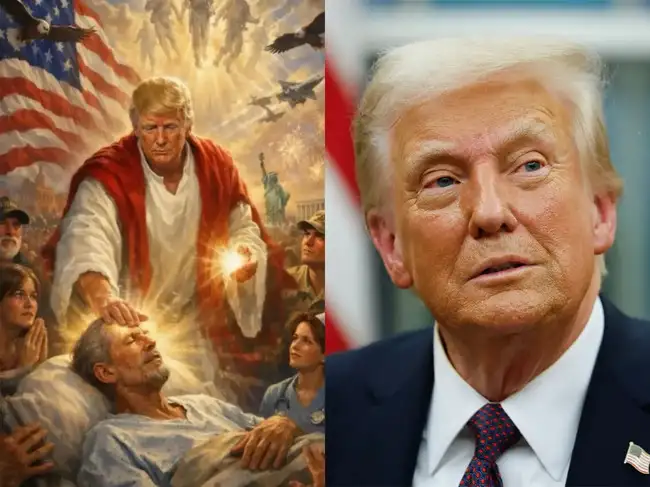
The controversy began when AI-generated videos appeared showing Donald Trump in the style of Naruto Uzumaki, the protagonist of the Naruto manga and anime series. Rappler reported that the videos “missed the point” of the character’s philosophy.
Is the “Naruto Redesign” official?
While an IMDb listing mentioned a “New Naruto Uzumaki Redesign” associated with the White House, there is no evidence of an official partnership between the Naruto creators (such as Masashi Kishimoto or Studio Pierrot) and the Trump administration.
What does this mean for AI in political ads?
This incident highlights a growing tension between AI efficiency and cultural authenticity. It suggests that using AI to mimic specific artistic styles can lead to significant backlash from the communities that created those styles.
