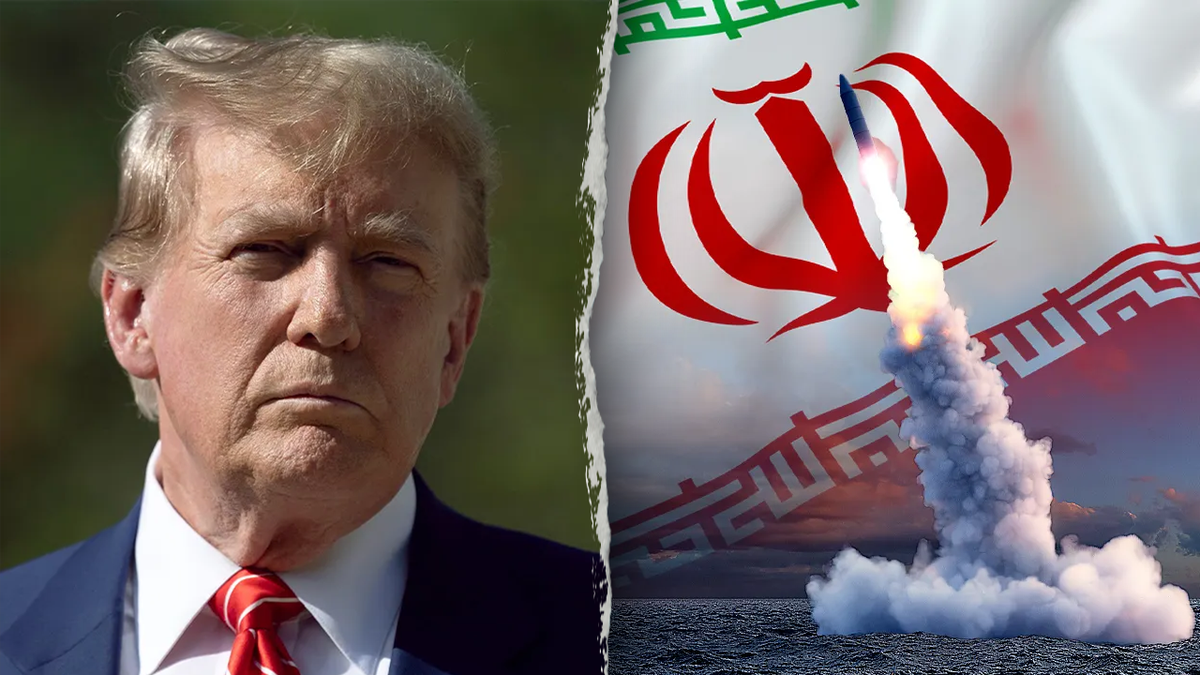
Trump Urges Immediate Ceasefire Between Israel and Iran Amid Escalating Tensions
U.S. President Donald Trump has escalated diplomatic pressure on Israel and Iran, demanding an immediate halt to hostilities as cross-border strikes threaten to reignite the Middle East conflict. The call comes amid a series of attacks that mark the first direct exchanges of fire between the two nations since a fragile ceasefire was brokered earlier this year.
The Escalation and Trump’s Immediate Response
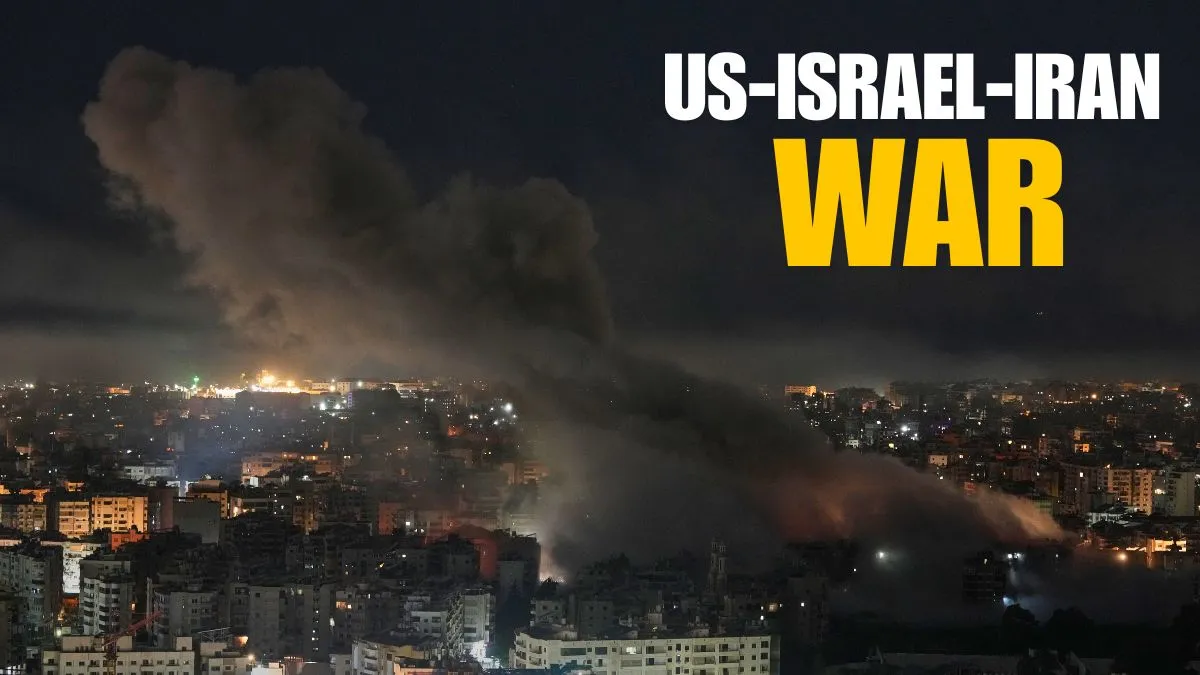
The latest wave of violence began when Israeli forces reportedly targeted Iranian-backed militias in Lebanon, triggering retaliatory strikes against Israeli infrastructure. This exchange, unprecedented since the April 2026 truce, has raised alarms about the stability of the region. Trump, addressing the situation in a statement, emphasized the urgency of de-escalation, stating, “The clock is ticking, and the world is watching.”
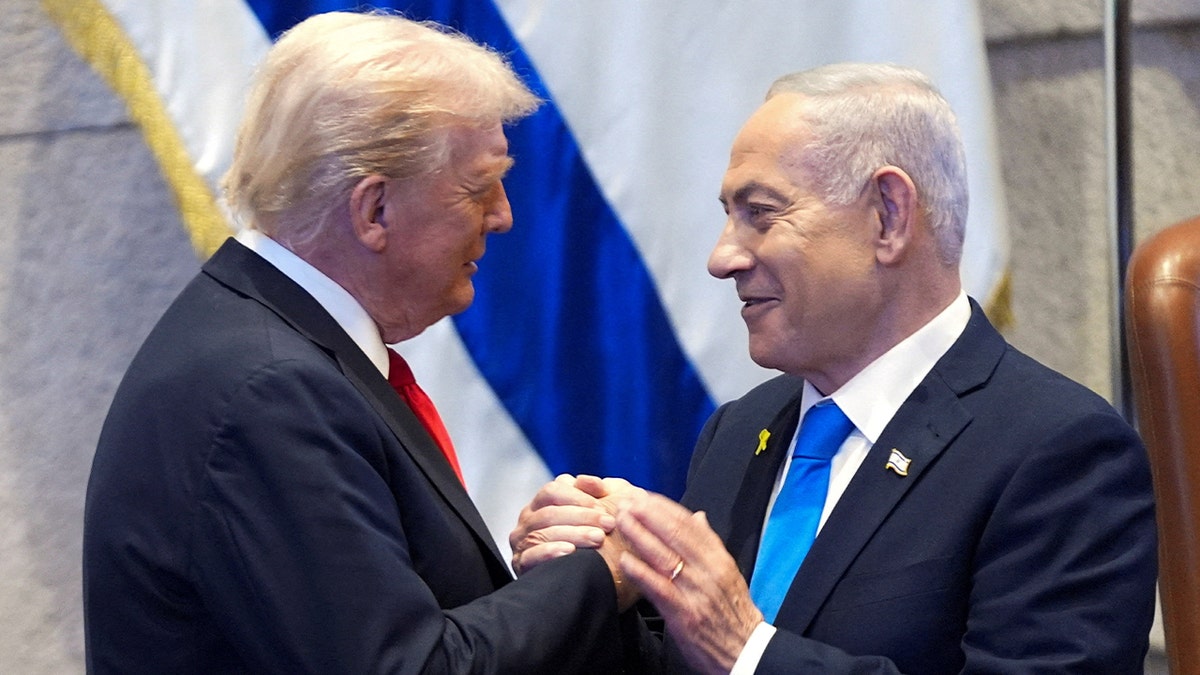
His remarks followed a phone call with Israeli Prime Minister Benjamin Netanyahu, during which Trump reportedly urged the leader to “avoid further provocation” and rein in military actions. The president also conveyed concerns to Iranian officials through diplomatic channels, reiterating his stance that “a whole civilization” could face destruction if the conflict escalates.
Key Players and Their Positions
Trump’s intervention places him at the center of a complex web of geopolitical interests. Israel, under Netanyahu, has maintained a hardline stance against Iranian influence in the region, particularly targeting Hezbollah’s operations in Lebanon. The Israeli government has framed its actions as necessary to neutralize threats to national security, though critics argue the strategy risks broader regional war.
Iran, meanwhile, has consistently denied direct involvement in attacks on Israel, instead attributing them to proxy groups like Hezbollah and Hamas. Iranian officials have warned that any further aggression would be met with “decisive measures,” though their exact response remains unclear. The Islamic Republic has also criticized the U.S. for what it views as biased support for Israel, accusing Washington of undermining regional stability.
The U.S. role as a mediator is complicated by its dual relationship with both nations. While Trump has historically been a staunch ally of Israel, his administration has also sought to engage with Iran on nuclear and security issues. This balancing act has drawn scrutiny from both sides, with critics on the left accusing the White House of enabling Israeli military operations and opponents on the right condemning perceived concessions to Iran.
Historical Context and Previous Diplomatic Efforts
The current crisis is the latest in a series of conflicts that have defined the Israel-Iran rivalry for decades. The 2026 ceasefire, brokered with the help of Pakistan as a neutral mediator, was seen as a breakthrough after years of proxy wars and covert operations. However, the agreement faced immediate challenges, including unresolved disputes over Iranian nuclear capabilities and the status of Israeli settlements in disputed territories.
Trump’s approach echoes previous diplomatic efforts, such as his 2025 campaign to secure a deal that would have required Iran to dismantle its nuclear program in exchange for sanctions relief. While that initiative stalled, the president has since emphasized a more direct approach, leveraging his administration’s influence to pressure both sides toward negotiation.
International Reactions and Regional Implications
The international community has reacted with a mix of concern and cautious optimism. The United Nations Security Council has called for an immediate de-escalation, with Secretary-General António Guterres urging all parties to “avoid actions that could lead to catastrophe.” Regional allies, including Gulf states and European powers, have also urged restraint, fearing the conflict could spill beyond the Middle East.
Critics, however, argue that the U.S. is once again prioritizing short-term stability over long-term solutions. Analysts note that the lack of a comprehensive plan to address underlying issues—such as Iran’s regional ambitions and Israel’s security concerns—risks a cycle of re-escalation. “Without addressing the root causes, this is just a temporary pause,” said Dr. Amina Al-Masri, a Middle East analyst at the Carnegie Endowment.
What Comes Next? A Timeline of Possible Scenarios
The next 48 hours will be critical in determining whether the situation de-escalates or spirals further. Key developments to watch include:
- Iran’s Response: The Islamic Republic has yet to announce its next steps, but military analysts suggest it may target Israeli assets in the region or increase support for proxy groups.
- Israeli Actions: Netanyahu’s government has pledged to “protect the homeland,” but its ability to act without U.S. approval remains uncertain.
- Diplomatic Efforts: Trump’s administration is reportedly in contact with regional leaders, including Saudi Arabia’s Crown Prince Mohammed bin Salman, to coordinate a unified response.
- International Mediation: The UN and regional organizations may step in to broker a new agreement, though success is far from guaranteed.
Expert Insights and Broader Implications
Political analysts emphasize that Trump’s intervention reflects a broader strategy to position the U.S. as a stabilizing force in the Middle East. However, the effectiveness of this approach is questionable given the deep-seated animosities between Israel and Iran. “This is a high-stakes gamble,” said Professor David Cohen of the University of Chicago. “If the president fails to deliver, it could undermine his credibility as a global leader.”
The situation also raises important questions about the role of external powers in regional conflicts. While the U.S. has traditionally played a
