
Investors in Argentina are shifting their strategies as the carry trade faces its steepest decline in months, according to local media reports. This volatility stems from rising dollar demand linked to mid-year bonus payments and conflicting analyst views on whether high-interest returns remain sustainable through the second half of the year.
- The carry trade has experienced its worst drop in several months, prompting a strategic pivot among investors.
- Mid-year bonus payments (aguinaldos) have increased pressure on the dollar and spurred demand for specific bonds.
- Market analysts are divided between those warning of a downturn and those identifying new methods for achieving positive real rates.
Why is the carry trade declining?
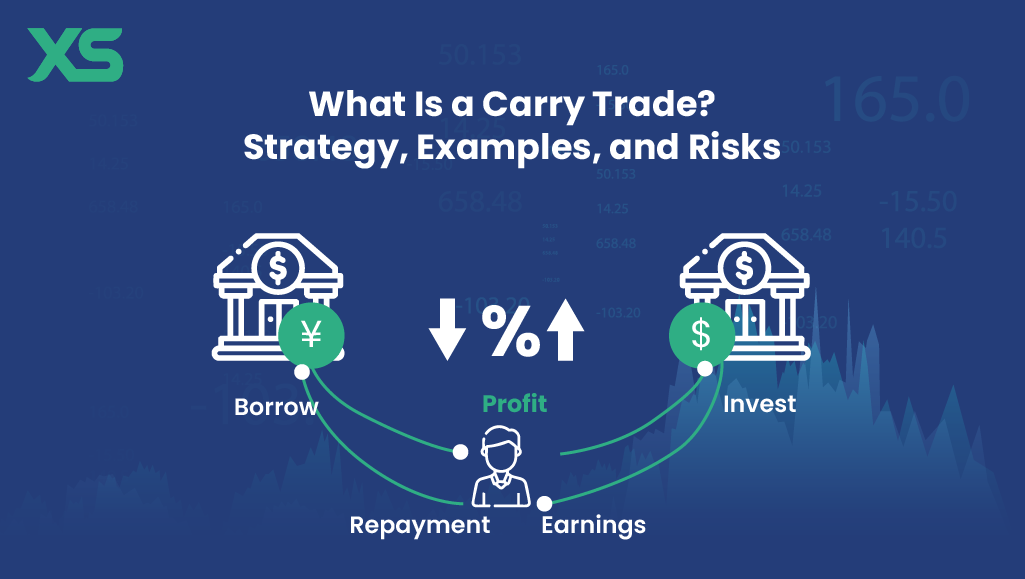
The carry trade—a strategy where investors borrow funds in a low-interest currency to invest in a higher-yielding one—is currently under pressure. According to reports from local financial news outlets, the strategy has suffered its most significant fall in months, forcing investors to abandon previous positions. Some market observers suggest that the window for these high-yield returns is closing as the market enters the second half of the year.
This downturn is characterized by a shift in investor sentiment. While the strategy previously offered a way to capitalize on interest rate differentials, current market conditions have introduced higher risks, leading some to “collect their kites,” a local metaphor for exiting a volatile position before a crash.
How “aguinaldo” payments are affecting the dollar
Seasonal liquidity is currently driving market fluctuations. According to local reports, the payment of aguinaldos (mandatory mid-year bonuses in Argentina) has triggered a surge in demand for the U.S. dollar. This increase in currency demand typically puts upward pressure on exchange rates, which can erode the gains made through carry trade operations.
As investors seek hedges against currency devaluation, there has been a corresponding increase in the demand for bonds. This shift indicates a move toward assets that can provide a buffer against inflation and currency instability during high-liquidity periods.
Is a new “financial bicycle” emerging?
Despite the volatility, some analysts see an evolution of the strategy rather than its end. According to analyst Mariano Gorodisch, there are ongoing discussions regarding a “new financial bicycle,” a term used to describe a cycle of short-term financial maneuvers designed to maximize profit through currency and interest rate gaps.

There is talk of a new financial bicycle, a way to perform carry trade and bring in new [capital].
Mariano Gorodisch
This perspective contrasts with the bearish outlook reported by other outlets. While some warn of a collapse, other reports suggest the carry trade is returning as a primary tool for investors attempting to secure positive real rates of return in the face of persistent inflation.
What this means for the second half of the year
The divergence in market analysis suggests a period of instability for the remainder of the year. On one side, the “sudestada”—a term used here to describe a storm of economic headwinds—indicates that the second half of the year will be challenging for those relying on simple interest rate plays. On the other, the search for positive real rates continues to drive interest in sophisticated bond structures and modified carry strategies.
For the average investor, this volatility means that the ability to beat inflation now depends less on static interest rates and more on the timing of currency movements and the selection of specific debt instruments.
