BMW-Driving Private Equity Boss Charged After Sydney Crash: Legal and Corporate Implications
A high-profile incident in Sydney has sent ripples through both the legal and corporate communities after a prominent figure in the private equity sector was arrested following a multi-vehicle collision. Joel Thickins, a leader at TPG Capital, is facing serious allegations after a crash involving his BMW resulted in damage to five other vehicles. The situation escalated significantly when, according to police, the executive refused to undergo blood alcohol and breath tests at the scene.
The case of the BMW-driving private equity boss charged after Sydney crash – The Australian has become a focal point for discussions regarding executive accountability, the legal ramifications of refusing police sobriety tests, and the potential fallout for high-stakes investment firms when their leadership faces criminal charges. While the legal process is in its early stages, the intersection of corporate power and public law is under intense scrutiny.
The Details of the Sydney Collision
The incident began when a BMW, driven by Joel Thickins, was involved in a significant traffic accident in Sydney. The scale of the crash was notable, with police reports indicating that five separate vehicles were hit during the event. Such multi-car collisions typically trigger immediate and rigorous police responses, especially when there are suspicions regarding the driver’s state of impairment.
Following the crash, law enforcement officers attempted to conduct standard roadside sobriety screenings. We see alleged that Thickins refused to comply with requests for breath and blood alcohol tests. In many jurisdictions, including New South Wales, the refusal to provide a sample for alcohol testing is treated with extreme severity, often carrying penalties comparable to—or in some cases exceeding—those for driving under the influence.
Key elements of the incident include:
- The Vehicle: A high-end BMW was the primary vehicle involved in the crash.
- The Impact: Five other vehicles were allegedly struck, indicating a significant loss of vehicle control or a high-impact event.
- The Arrest: Joel Thickins was arrested following the collision and the subsequent refusal of sobriety tests.
- The Charges: The charges stem from both the nature of the accident and the alleged refusal to cooperate with alcohol testing protocols.
The Legal Weight of Refusing Sobriety Tests
To understand why the BMW-driving private equity boss charged after Sydney crash – The Australian is facing such significant legal peril, one must examine the legal framework surrounding breath and blood tests in Australia. The law is designed to prevent drivers from avoiding a “positive” test result by simply refusing to participate.
Refusing a breath test is not a “loophole” to avoid a drink-driving charge; rather, it is often a standalone criminal offense that carries heavy penalties, including the immediate suspension of a driver’s license and potential imprisonment.
When a driver refuses a test, the prosecution does not necessarily need to prove that the driver was intoxicated. Instead, they only need to prove that the driver was legally required to provide a sample and willfully refused to do so. This is often viewed by the courts as an admission of guilt or an attempt to obstruct justice, which can lead to harsher sentencing during the penalty phase.
Potential Legal Consequences
Depending on the specific charges filed, the legal trajectory for an individual in this position typically involves several stages:
- The Charging Phase: Police file formal charges based on the evidence at the scene and the refusal of the test.
- The Bail/Remand Process: Given the professional standing of the accused, bail is typically granted, though conditions may be imposed.
- The Evidentiary Hearing: The court examines whether there was “reasonable grounds” for the police to request the test.
- Sentencing: If found guilty of refusing a test and causing a multi-car accident, penalties can range from heavy fines and long-term license disqualification to community correction orders.
Who is Joel Thickins and What is TPG Capital?
The involvement of a leader from TPG Capital adds a layer of corporate complexity to this legal matter. TPG is one of the world’s most influential alternative asset management firms, specializing in private equity, impact investing, and real estate. The firm manages billions of dollars in assets and operates on a global scale, making the conduct of its top executives a matter of interest to investors and stakeholders.
In the world of private equity, the “Key Person” is a critical concept. Limited Partners (LPs)—the institutional investors who provide the capital—often have “Key Person Clauses” in their contracts. These clauses can allow investors to stop the investment period or dissolve a fund if a primary leader is no longer able to perform their duties due to legal, health, or professional reasons.
While a traffic offense may not immediately trigger such a clause, the reputational damage associated with a public arrest and the refusal of a police test can create friction between a firm’s leadership and its investors.
| Stakeholder | Potential Impact of the Incident |
|---|---|
| TPG Capital | Reputational risk and potential internal governance reviews. |
| Limited Partners (Investors) | Concerns over leadership stability and “Key Person” risk. |
| The Public | Increased scrutiny of “elite” accountability in the legal system. |
| The Legal System | A test case for the consistent application of road safety laws regardless of status. |
Corporate Governance and Executive Conduct
When a corporate executive is involved in a high-profile criminal charge, the conversation quickly shifts from the courtroom to the boardroom. Modern corporate governance emphasizes not just professional competence, but “fitness and propriety.”
For a private equity boss, the ability to project stability, judgment, and reliability is paramount. The allegation of smashing into five cars and then refusing a sobriety test suggests a lapse in judgment that can be viewed as a liability by a corporate board. The primary concerns for TPG Capital likely include:
Reputational Contagion
In the digital age, a news story about a “BMW-driving private equity boss” can quickly become associated with the firm’s brand. This “contagion” can affect the firm’s ability to win new deals or attract top talent, as the public narrative may shift toward a perception of entitlement or recklessness.
Internal Compliance and Ethics
Most major financial firms have strict codes of conduct. While these codes typically focus on insider trading or harassment, they often include “moral turpitude” or “conduct unbecoming” clauses. The firm must determine if the executive’s actions violate internal policies, which could lead to administrative leave or other disciplinary actions while the legal case unfolds.
For more information on how corporate boards handle executive crises, you may find a related explainer on corporate governance and executive liability useful.
Comparing the “Elite” Legal Experience
The case of Joel Thickins often sparks a wider debate about whether wealth and status influence the outcome of legal proceedings. In Sydney, as in many global cities, there is a perception that “white-collar” defendants have access to superior legal representation that can mitigate the fallout of a criminal charge.
However, road safety laws in Australia are notoriously stringent. The “refusal” charge is specifically designed to be a “black and white” offense—either the test was given, or it wasn’t. This leaves less room for the kind of nuanced negotiation often seen in complex financial litigation. The public and the judiciary typically view reckless driving and the defiance of police authority as issues that transcend social class, making this a high-risk legal battle for any defendant, regardless of their net worth.
Common Misconceptions Regarding Breath Test Refusals
There are several common myths regarding the refusal of alcohol tests that often surface in high-profile cases like the BMW-driving private equity boss charged after Sydney crash – The Australian.
- Myth: “If I refuse the test, they can’t prove I was drunk.”
Reality: While they may not have a blood alcohol concentration (BAC) reading, the act of refusal itself is a crime. In many cases, the penalty for refusal is as severe as the penalty for a high-range PCA (Prescribed Concentration of Alcohol) reading. - Myth: “I can refuse the roadside test and just wait for a court-ordered test.”
Reality: Roadside tests are mandatory upon police request if there are reasonable grounds. Refusal leads to immediate arrest and charging. - Myth: “A high-priced lawyer can make a refusal charge disappear.”
Reality: While a lawyer can ensure a fair trial and argue for a more lenient sentence, the factual reality of a refusal is hard to erase from the record.
The Road Ahead: What to Watch
As this case moves through the Sydney court system, several key indicators will determine the ultimate outcome. First, the court will examine the evidence surrounding the crash itself—specifically whether the collision was caused by impairment, mechanical failure, or other external factors. Second, the circumstances of the refusal will be scrutinized. If it can be proven that the refusal was a deliberate attempt to hide intoxication, the sentencing is likely to be more severe.
From a corporate perspective, the focus will be on TPG Capital’s response. Whether the firm stands by its executive or distances itself will signal a great deal about its current internal culture and its appetite for risk. In the high-stakes world of private equity, where trust is the primary currency, the resolution of this case will be more than just a legal matter; it will be a test of brand resilience.
Summary of Case Milestones
- Incident: Multi-car crash in Sydney involving a BMW and five other vehicles.
- Immediate Aftermath: Arrest of TPG Capital boss Joel Thickins following alleged refusal of alcohol tests.
- Current Status: Formal charges filed; awaiting court proceedings.
- Primary Legal Conflict: The legality of the test request vs. The act of refusal.
- Corporate Conflict: Balancing executive leadership with reputational risk and LP expectations.
Frequently Asked Questions
Who is the private equity boss involved in the Sydney crash?
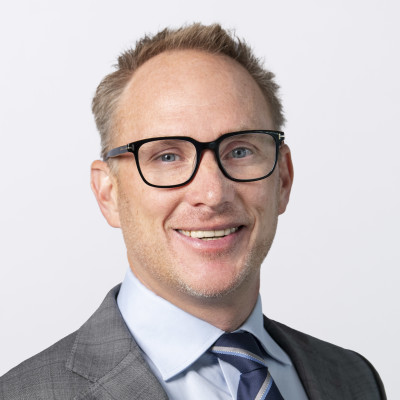
The individual involved is Joel Thickins, a boss at the private equity firm TPG Capital.
What happened during the crash?
It is alleged that Thickins was driving a BMW and crashed into five other vehicles in Sydney.
Why was the executive arrested if it was a car accident?
While the accident led to the police intervention, the arrest was specifically linked to the allegation that he refused to undergo required breath and blood alcohol tests.
Is refusing a breath test a crime in Australia?
Yes. In New South Wales and other Australian states, refusing a police request for a sobriety test is a serious criminal offense that can lead to license loss and other legal penalties.
How does this affect TPG Capital?
The firm may face reputational damage and must manage potential concerns from its institutional investors (Limited Partners) regarding the conduct and stability of its leadership.
For further reading on the intersection of law and finance, consider our guide to executive risk management.
