Global markets are retreating as investor enthusiasm for artificial intelligence wavers, triggering a downturn across Asian indices and weighing on European sentiment. The shift reflects a growing caution regarding the sustainability of AI-driven investments, coupled with geopolitical instability and macroeconomic volatility.
- Asian markets closed lower, highlighted by a 1.20% decline in Tokyo.
- Japan reported a record collapse in its foreign exchange reserves.
- Oil prices remain volatile, trading above $95 per barrel.
- European indices are showing weakness as traders monitor tensions in the Middle East and await U.S. Employment data.
AI Skepticism Hits Asian Indices
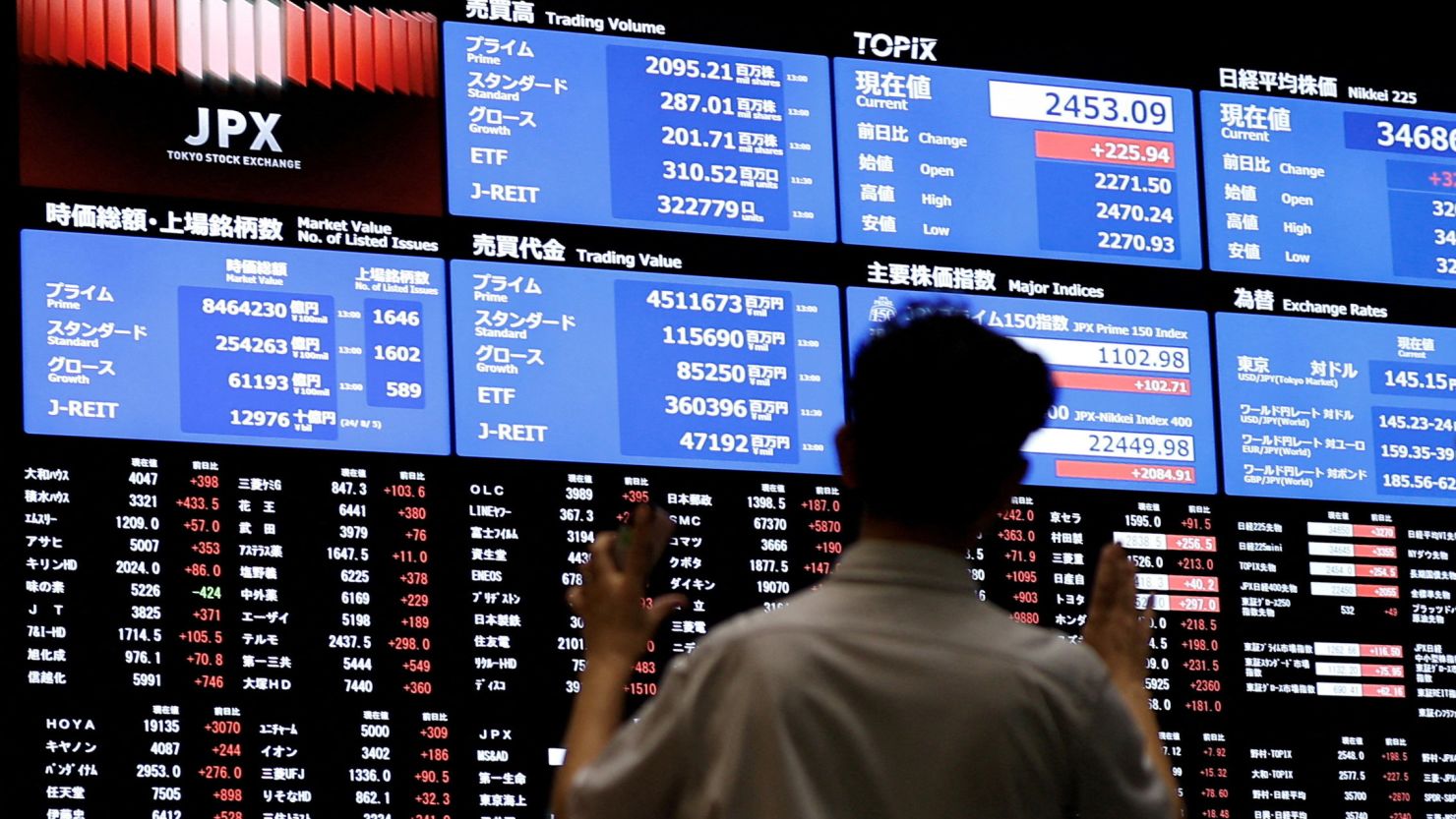
The downturn was most pronounced in Asia, where markets closed in the red. In Tokyo, the Nikkei experienced a notable slide, with the market recording a 1.20% loss by 04:50. Market analysts attribute this decline to mounting fears surrounding investments in artificial intelligence, suggesting a cooling period after a period of aggressive growth in the sector.
Japan’s Currency Reserve Crisis
Beyond the stock market volatility, Japan is facing a severe fiscal challenge. Recent data indicates a record crash in the nation’s foreign exchange reserves, adding further pressure to the Japanese economy as it navigates currency fluctuations and market instability.
Energy Volatility and Geopolitical Risks
The energy sector remains on edge, with crude oil prices showing significant fluctuations. Despite the instability, prices have remained above $95 per barrel. This volatility is closely linked to ongoing tensions in the Middle East, which continue to threaten supply chains and influence global energy costs.
European Markets Brace for U.S. Data
European markets have mirrored the weakness seen in Asia, remaining fragile as investors weigh internal economic pressures against external shocks. Market participants are currently focused on two primary catalysts: the escalating situation in the Middle East and the upcoming release of U.S. Labor market statistics, which are expected to provide critical clues regarding the trajectory of global interest rates and economic growth.
