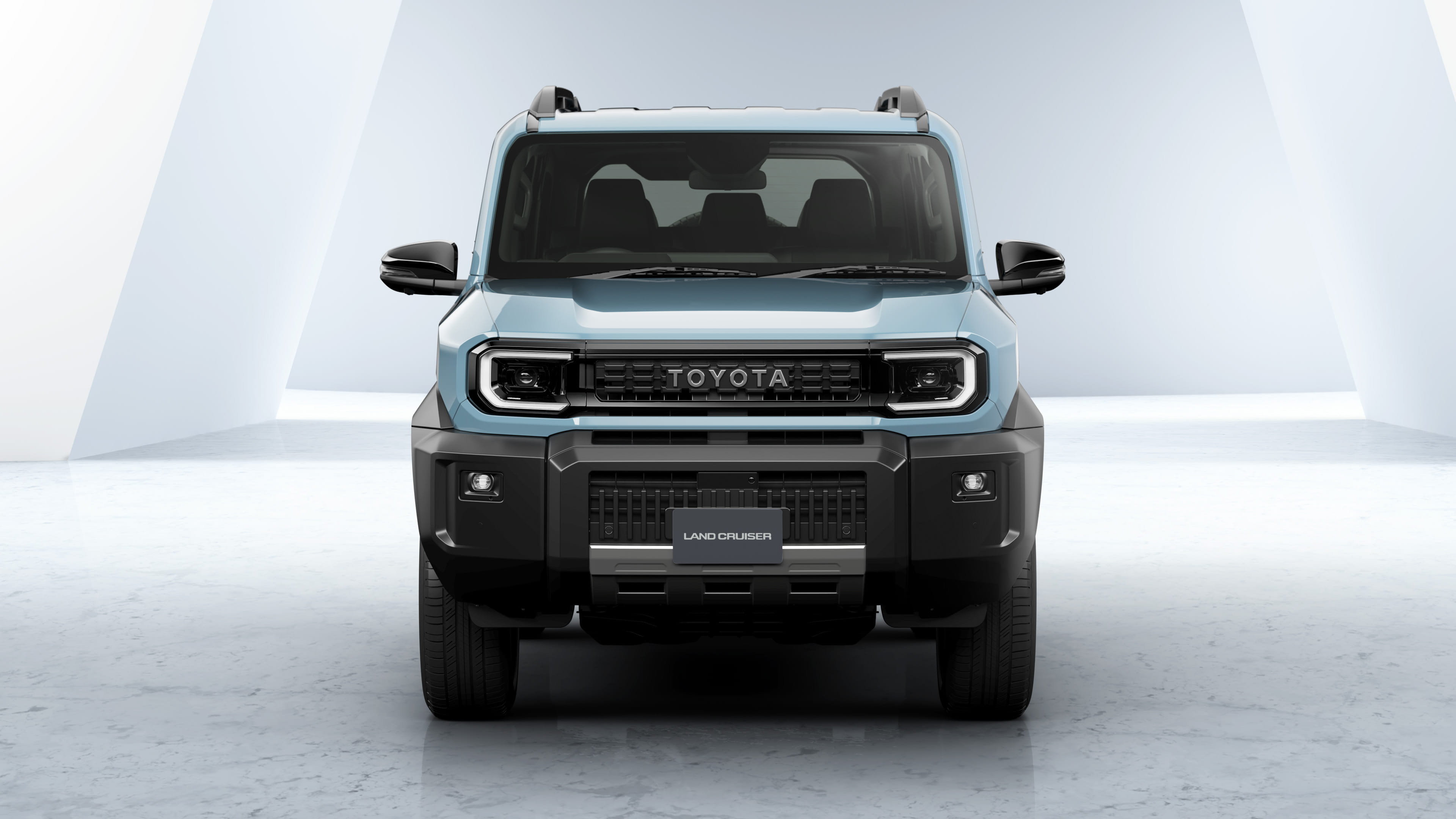
The Toyota Land Cruiser FJ has arrived in Venezuela with a final price of $56,900, according to multiple local media reports, though earlier listings had suggested a higher $64,990 tag. The discrepancy highlights how pricing can shift between official announcements and on-the-ground availability, a common dynamic in emerging markets.
The vehicle’s launch marks the return of the iconic off-road model to Venezuela after a period of limited availability, with Toyota positioning it as a rugged, high-end option for consumers seeking durability in challenging terrain. The model’s arrival also coincides with a broader push by automakers to re-enter Venezuela’s car market, which has seen fluctuating demand due to economic instability and currency controls.
Why the Price Drops Matter
Local media reports show conflicting pricing figures: $64,990 was initially cited by some outlets, while others later confirmed the final price at $56,900. This $8,000 difference underscores the volatility in Venezuela’s automotive market, where currency devaluations and import restrictions can reshape pricing overnight. For buyers, the adjusted price may improve affordability, though it remains significantly higher than pre-2018 models, which were priced closer to $40,000–$45,000 in local currency terms.
Toyota’s decision to reintroduce the Land Cruiser FJ—particularly the “Modo Leyenda” edition—also reflects a strategic focus on nostalgia and heritage. The name “Modo Leyenda” (Legend Mode) suggests an emphasis on the vehicle’s historical reputation for toughness, a marketing angle likely to resonate in regions where reliability is non-negotiable.
How the Land Cruiser FJ Compares to Other Off-Roaders
In Venezuela’s market, the Land Cruiser FJ competes with models like the Nissan Navara and Ford Ranger, but its premium positioning sets it apart. While competitors often prioritize fuel efficiency and lower upfront costs, the FJ’s price premium is justified by its legendary off-road capabilities, including a robust V6 engine and advanced suspension systems designed for extreme conditions. According to local automotive analysts, the Land Cruiser’s target audience in Venezuela includes farmers, adventurers, and government agencies needing vehicles that can traverse unpaved roads and rural terrain.

However, the vehicle’s high price may limit its appeal to a niche segment. In 2023, Venezuela’s car market saw a 20% decline in sales, with luxury SUVs and trucks accounting for less than 15% of total purchases, per industry reports. The Land Cruiser FJ’s re-entry thus tests whether Toyota can carve out demand in a market where affordability remains a critical factor.
What This Means for Toyota’s Regional Strategy
Toyota’s move to relaunch the Land Cruiser FJ in Venezuela aligns with its broader strategy of reviving legacy models in high-growth markets. The company has similarly reintroduced the Hilux in Latin America and the Fortuner in Southeast Asia, leveraging existing brand equity to capture demand for durable, long-lasting vehicles. For Venezuela, the Land Cruiser’s return also signals Toyota’s willingness to navigate regulatory and economic hurdles—including import taxes and currency fluctuations—to maintain a presence in a key regional market.
Industry observers note that the Land Cruiser’s success in Venezuela will hinge on Toyota’s ability to stabilize supply chains and adapt to local consumer preferences. Unlike in stable markets where pricing is transparent, Venezuela’s automotive sector operates under the influence of parallel exchange rates and informal financing options, which can distort perceived value. Toyota’s pricing adjustments reflect an attempt to balance competitiveness with the vehicle’s premium positioning.
What Happens Next?
With the Land Cruiser FJ now available, the next phase will focus on dealer network expansion and promotional campaigns targeting rural and semi-urban buyers. Toyota has not announced further price adjustments, but local media suggests that bulk purchases or government contracts could trigger additional discounts. The company’s ability to sustain demand will also depend on how quickly it can address logistical challenges, including parts availability and after-sales service in regions with limited infrastructure.

For now, the Land Cruiser FJ’s launch serves as a case study in how automakers navigate emerging markets—balancing heritage appeal with the realities of economic instability. Whether the model’s rugged reputation translates into sales remains an open question, but Toyota’s decision to bring it back signals confidence in its enduring relevance.
