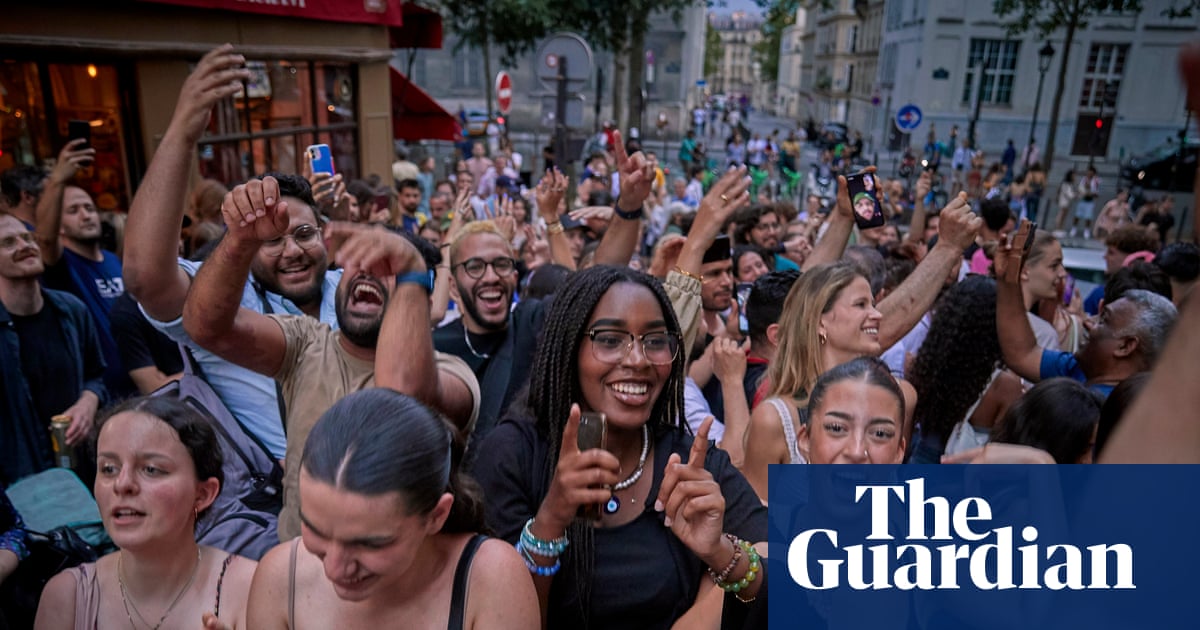
‘A kind of massive rave’: Paris braces for 2m revellers as Fête de la Musique returns amid heatwave warnings – The Guardian
Paris is preparing for an estimated 2 million people to flood its streets for the annual Fête de la Musique, though severe heatwave warnings have already triggered event cancellations. According to reports from The Guardian and The Connexion, city officials and organizers are balancing the “massive rave” atmosphere of the festival with urgent public health alerts as temperatures soar across the capital.
How is the heatwave affecting Fête de la Musique celebrations in Paris?
Extreme temperatures are directly impacting the logistics and viability of this year’s World Music Day. While the event traditionally transforms the city into a sprawling, open-air concert, the current weather patterns have introduced significant risk. According to The Connexion, several scheduled performances have already been cancelled to prevent heat-related illnesses among both performers and attendees.
The conflict arises from the nature of the event. Fête de la Musique encourages musicians to set up in public squares, narrow alleys, and paved plazas. These areas often act as “urban heat islands,” where concrete and asphalt trap heat, making them significantly hotter than surrounding green spaces. For a crowd of 2 million people, this creates a volatile environment where dehydration and heatstroke become primary concerns for emergency services.
Organizers are now urging participants to prioritize hydration and seek shade. The tension is evident in the city’s planning: on one hand, the municipal government wants to maintain the festival’s reputation as a democratic, high-energy celebration; on the other, health officials are warning that the combination of alcohol consumption, loud music, and extreme heat is a dangerous mix.
“The event is essentially a kind of massive rave,” reports The Guardian, describing the sheer scale of the crowds that turn the city’s infrastructure into a temporary music venue.
Who is involved in the coordination of World Music Day 2026?
The coordination of an event of this magnitude involves a complex web of municipal, regional, and national stakeholders. At the top level, the French Ministry of Culture oversees the national mandate of the Fête de la Musique, ensuring that the event remains free and accessible to all.
In the capital, the City of Paris (Mairie de Paris) manages the logistical nightmare of crowd control and sanitation. With 2 million people expected, the city must deploy additional cleaning crews and security personnel to manage the flow of pedestrians. The Prefecture of Police is also heavily involved, coordinating road closures and monitoring for public disorder in high-density areas.
Beyond the city center, the reach of the event extends into the wider region. The Île-de-France regional authorities work with suburban municipalities to decentralize the festivities. According to Sortir à Paris, there is a concerted effort to push residents and tourists toward the outer suburbs to alleviate the pressure on the city’s core. This includes curated lists of “must-see” picks in the suburbs to distribute the crowd more evenly across the metropolitan area.
Further south, the Office de Tourisme Nice Côte d’Azur manages the festivities in Nice, where the coastal breeze often provides a reprieve from the heat, though they face similar challenges regarding crowd density and tourist management.
| Stakeholder | Primary Responsibility | Key Concern for 2026 |
|---|---|---|
| Ministry of Culture | National oversight & accessibility | Maintaining the “music for all” ethos |
| Mairie de Paris | City logistics & sanitation | Waste management for 2m people |
| Prefecture of Police | Security & crowd flow | Heat-induced public disorder |
| Regional Councils | Suburban event coordination | Traffic and transport to outer zones |
Why does the Fête de la Musique attract such massive crowds?
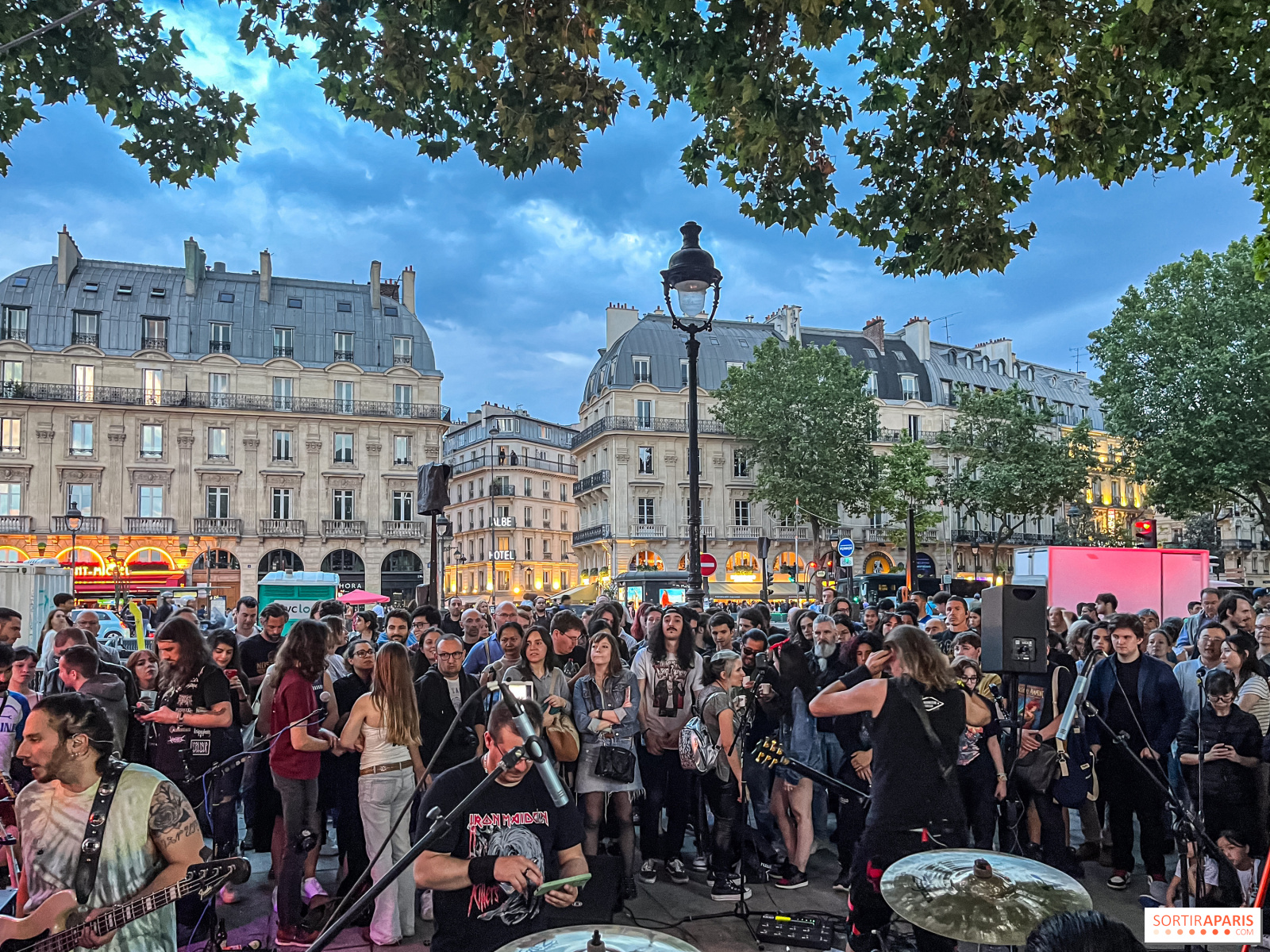
The appeal of the Fête de la Musique lies in its radical accessibility. Unlike traditional music festivals that require expensive tickets and travel to remote fields, this event brings the music to the people. Every street corner can potentially host a jazz quartet, a techno DJ, or a solo accordionist.
The event was founded on the principle that music should be a universal language, available to everyone regardless of their social or economic status. This “open-door” policy is what drives the attendance figures toward the 2 million mark in Paris. It is not just a series of concerts; it is a social phenomenon where the boundaries between performer and spectator are blurred.
However, this lack of structure is exactly what makes heatwave management so difficult. Because there are no centralized “stages” for many of the performances, there are no centralized water stations or medical tents. People drift from one street to another, often unaware of how long they have been exposed to the sun.
The “massive rave” description used by The Guardian highlights the shift in the event’s energy. While it began as a celebration of diverse musical genres, it has evolved into a high-energy urban party. This evolution increases the physical exertion of the attendees, which, when combined with a heatwave, elevates the risk of medical emergencies.
What are the specific risks of holding a music festival during a heatwave?
Medical professionals and city planners point to several intersecting risks when millions of people gather in high temperatures.
Dehydration and Alcohol Consumption
Many attendees consume alcohol while moving between performances. Alcohol is a diuretic, which accelerates dehydration. In a heatwave, the body’s ability to regulate temperature is compromised, and the combination of alcohol and heat can lead to rapid onset heat exhaustion.

The Urban Heat Island Effect
Paris is notorious for its “heat island” effect. The dense concentration of stone buildings and lack of widespread canopy cover in the center means that the city stays hot long after the sun goes down. For revelers who stay out until the early hours of the morning, there is often no “cooling off” period, leading to cumulative heat stress.
Crowd Density and Airflow
When 2 million people occupy the narrow streets of the Marais or the banks of the Seine, airflow is restricted. The collective body heat of a dense crowd can raise the local temperature by several degrees, creating “hot spots” where the air becomes stagnant and oppressive.
These factors have led to the cancellations reported by The Connexion. When the risk of mass fainting or heatstroke outweighs the cultural value of a specific performance, organizers are forced to pull the plug. This creates a fragmented experience where some neighborhoods are buzzing with music while others remain silent for safety reasons.
How does the experience differ between Paris and the outer suburbs?
While the heart of Paris captures the headlines, the Fête de la Musique is a regional event. There is a distinct difference in how the festivities are experienced in the city center versus the Île-de-France suburbs.
In the center of Paris, the experience is chaotic and spontaneous. It is a sensory overload of competing sounds and shoulder-to-shoulder crowds. This is where the “massive rave” energy is most concentrated, but it is also where the heatwave risks are highest due to the lack of greenery.
In contrast, the outer suburbs often provide a more curated and breathable experience. According to Sortir à Paris, the suburbs offer a variety of “must-see” picks that often take place in parks, larger plazas, or community centers. These locations typically have better access to shade and more space for people to spread out, making them a safer alternative during a heatwave.
The push toward the suburbs is not just about safety; it is about cultural diversity. The suburbs of Île-de-France are home to a vast array of musical influences—from North African rhythms to contemporary hip-hop—that might be overshadowed by the more commercial or traditional acts in the city center. By encouraging people to explore the outer rings of the city, organizers are attempting to showcase the full musical spectrum of the region while simultaneously reducing the physical pressure on the capital.
For those looking for a different vibe entirely, the Office de Tourisme Nice Côte d’Azur highlights the Mediterranean approach. In Nice, the festival leverages the promenade and the sea, allowing revelers to cool off in the water between sets, a luxury not available to the 2 million people in the landlocked streets of Paris.
What are the long-term implications for urban festivals in a warming climate?
The struggle to hold the Fête de la Musique during a heatwave is a harbinger of a larger trend. As extreme weather events become more frequent, the traditional “summer festival” model is coming under scrutiny.
City planners are beginning to realize that the infrastructure of the 19th and 20th centuries is not equipped for the temperatures of the 21st. The reliance on paved squares for public gatherings is becoming a liability. This may lead to a shift in how events like World Music Day are organized in the future, with a possible move toward “green zones” or a shift in timing to avoid the peak heat of the day.
There is also the question of equity. Those who can afford to retreat to air-conditioned spaces during the day are less affected by the heatwave than the amateur musicians and street performers who must stand in the sun for hours to participate in the festival. The “democratic” nature of the Fête de la Musique is challenged when the environment itself becomes hostile to the participants.
Furthermore, the increased cost of security and medical standby during heat-alert levels may lead to more stringent permitting processes. The spontaneous nature of the event—where anyone can play anywhere—might be curtailed in favor of “approved” sites that have guaranteed water access and emergency exits.
Related explainer on urban heat island mitigation strategies.
Common Misconceptions About Fête de la Musique
There are several frequent misunderstandings regarding this event, especially for international visitors.
- It is a ticketed event: No. The core tenet of Fête de la Musique is that it is entirely free. While some venues may have private parties, the street performances are open to all.
- It is only for professional musicians: On the contrary, the event encourages amateurs. From students to retirees, anyone with an instrument is encouraged to play.
- The heatwave only affects the crowds: The heat is equally dangerous for the equipment. Electronic instruments, amplifiers, and speakers can overheat and fail, leading to technical cancellations even if the performers are healthy.
- It is only a Paris event: While Paris is the most famous hub, it is a nationwide celebration in France and is observed in over 120 countries worldwide.
Frequently Asked Questions
How many people are expected at Fête de la Musique in Paris?
According to reports, Paris is bracing for approximately 2 million revelers, making it one of the largest spontaneous musical gatherings in the world.
Why are some events being cancelled?
As reported by The Connexion, heatwave warnings have forced some cancellations to protect the health of performers and the public from heatstroke and dehydration.
Is Fête de la Musique free to attend?
Yes, the festival is fundamentally designed to be free and accessible to everyone, with music played in public spaces across the city and suburbs.
Where is the best place to experience the festival during a heatwave?
While the city center is the most iconic, sources like Sortir à Paris suggest exploring the outer suburbs of Île-de-France, where there is often more green space and less oppressive heat than in the city core.
What should I bring to the festival during extreme heat?
Attendees are strongly advised to carry plenty of water, wear sunscreen, use hats, and plan their route to include shaded areas and parks.
As the city continues to navigate the balance between cultural celebration and public safety, the Fête de la Musique remains a testament to the city’s resilience and love for the arts. However, the shadow of the heatwave serves as a reminder that the environment now plays a decisive role in how the world’s great cities celebrate.
