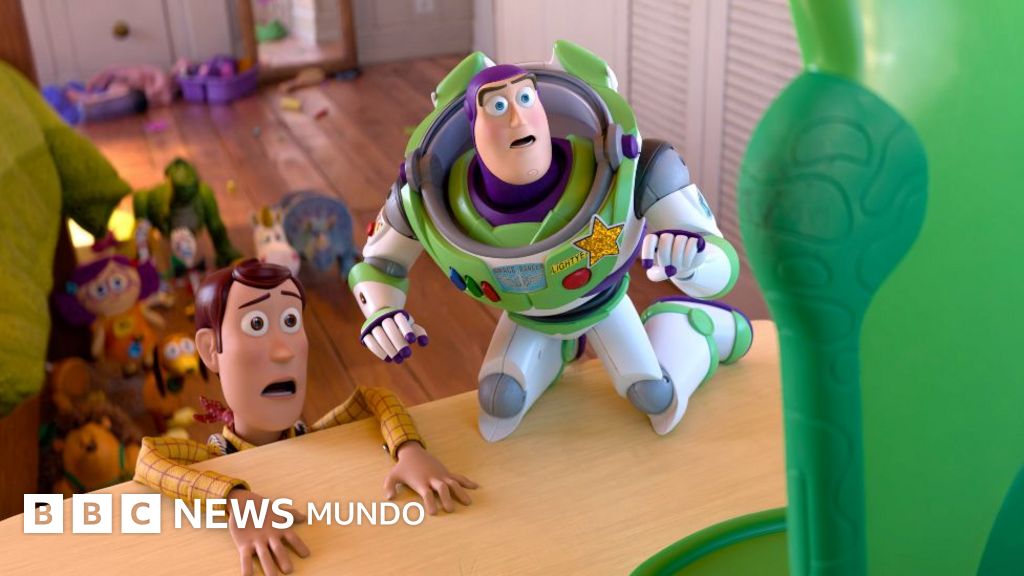
Andrew Stanton, the director of “Toy Story 5,” has sparked conversations about the evolving relationship between children and technology through the film’s narrative, which centers on the iconic character Jessie. The movie, set for release later this year, marks a shift in the franchise’s storytelling, delving into themes of digital dependency and the psychological weight of nostalgia.
A New Focus on Screen Culture
The film’s exploration of screen addiction has drawn attention as a reflection of contemporary anxieties about technology’s role in childhood. Stanton, known for his work on the original “Toy Story” trilogy, described Jessie’s journey as a metaphor for the “haunting” persistence of past experiences in a digital age. “Her story isn’t just about losing her place in the world—it’s about how we all carry fragments of our past, even as we’re pulled toward new distractions,” he said in a recent interview.

While the film’s core premise remains family-friendly, its subtext has resonated with critics and parents alike. The decision to spotlight Jessie, a character with a history of being discarded and rediscovered, underscores the franchise’s ability to evolve while maintaining its emotional core.
Global Reactions and Merchandise Hype
Early screenings in Mexico generated significant buzz, with audiences praising the film’s visual innovation and emotional depth. Local media reported that the first 45 minutes of the movie, which premiered at a special event in Mexico City, set a tone of introspection that contrasts with the franchise’s earlier, more lighthearted entries.
Meanwhile, Walmart has capitalized on the anticipation, unveiling a range of “Toy Story 5”-themed merchandise, including drinkware, kitchenware, and collectibles. The items, priced to appeal to both children and collectors, highlight the film’s commercial reach and the enduring appeal of the franchise.
Why It Matters in a Digital Age
“Toy Story 5” arrives at a pivotal moment in entertainment, as studios increasingly grapple with how to address real-world issues through family content. The film’s focus on screen addiction aligns with broader cultural discussions about the impact of technology on young audiences, positioning it as more than just a sequel. It also reflects a trend in animation to tackle complex themes while maintaining accessibility.
For fans of the series, the movie represents a continuation of the characters’ growth, but with a renewed emphasis on the challenges of modern life. As Stanton noted, “This isn’t just about toys—it’s about how we navigate the tension between memory and progress.”
