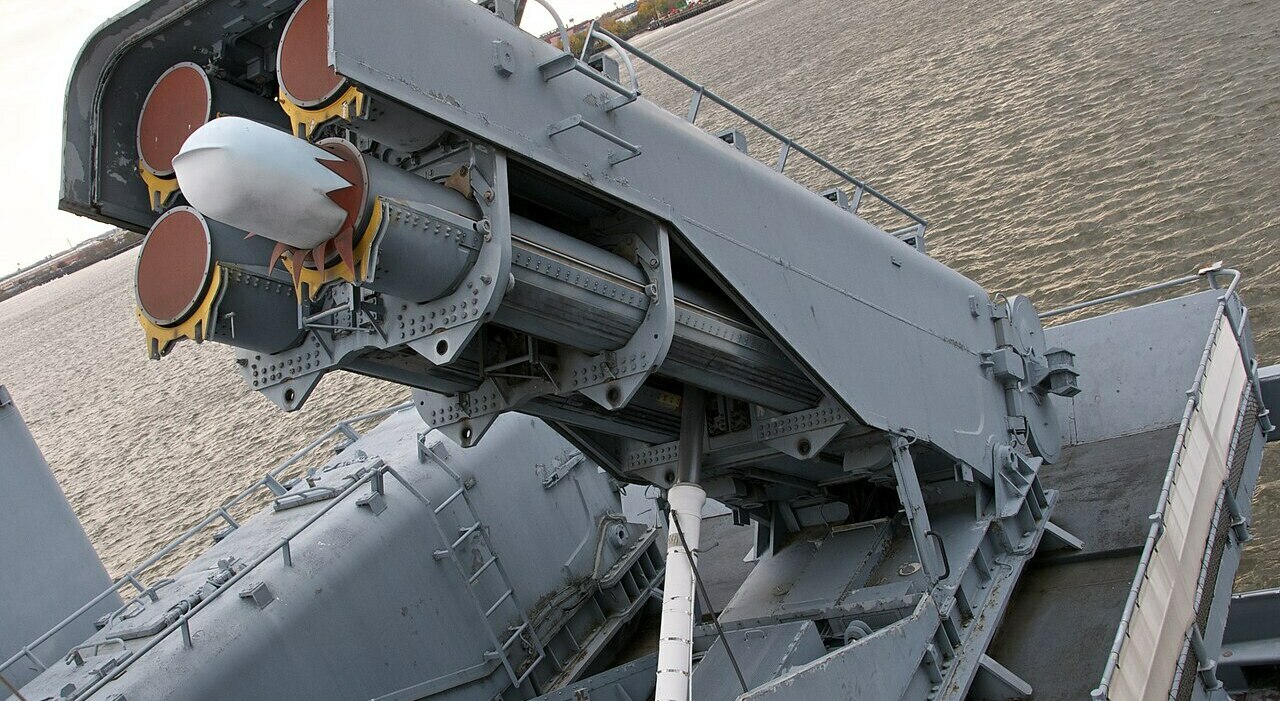
The United States employs Tomahawk cruise missiles in strikes against Iran, using weapons with a range of up to 1,600 kilometers and a 450-kilogram warhead, according to local media reports. These missiles, launched from naval ships or submarines, cost between $1.5 million and $2 million per unit.
- Range: Up to 1,600 kilometers.
- Warhead: Approximately 450 kilograms of high explosives.
- Unit Cost: $1.5 million to $2 million.
- Launch Platforms: Surface ships and submarines.
- Guidance: GPS, TERCOM, and DSMAC.
Technical Capabilities and Strike Power
The Tomahawk is a long-range cruise missile designed for precision strikes against land-based targets. According to technical data reported by local media, the weapon carries a warhead weighing roughly 450 kilograms. This payload consists of high explosives intended to destroy hardened military infrastructure or strategic installations.
The weapon’s range is a primary factor in its strategic utility. With a flight capacity of 1,600 kilometers, the U.S. Navy can launch these missiles from positions well outside the immediate reach of enemy coastal defenses, reducing the risk to the launch platform.
Guidance Systems and Targeting Precision
To ensure accuracy over long distances, the Tomahawk utilizes three distinct navigation systems. According to reports, the missile relies on GPS for general positioning, while TERCOM (Terrain Contour Matching) allows the missile to compare the ground below it with a pre-loaded digital map of the terrain.

For the final phase of the attack, the weapon uses DSMAC (Digital Scene Matching Area Correlator). This system takes a real-time image of the target area and compares it to a stored photograph to ensure the missile strikes the exact intended coordinate.
Deployment Costs and Logistics
The financial cost of each Tomahawk missile is estimated between $1.5 million and $2 million, according to local media reports. These costs cover the sophisticated guidance electronics and the propulsion systems required for sustained long-range flight.
Because the missiles are deployed from submarines and surface vessels, they provide the United States with a flexible strike capability that does not require the use of land-based airfields in the region.
