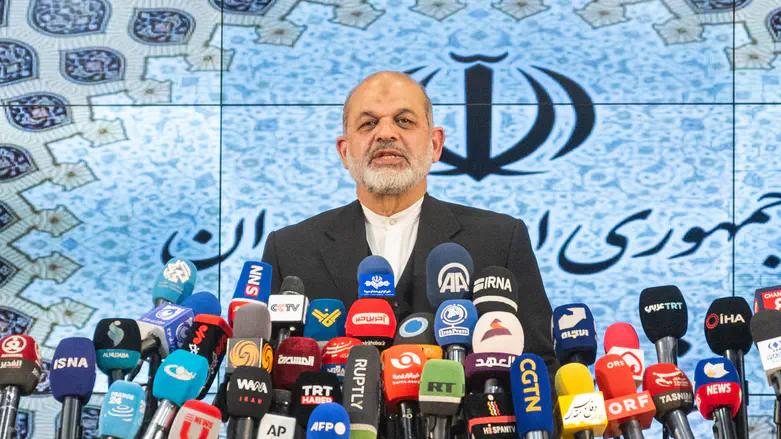
Senior Iranian Leader Halt Agreement Talks Amid Regional Tensions
Senior Iranian officials have reportedly blocked a major diplomatic agreement aimed at easing regional hostilities, according to multiple independent sources. The move comes amid heightened military activity and complex geopolitical maneuvering involving Israel, the United States, and regional allies. The decision has sparked widespread concern over the potential for further escalation in an already volatile area.
What Happened?
On April 5, 2024, a high-level diplomatic initiative between Iranian and Israeli representatives was reportedly halted by a senior Iranian official, according to a coalition of independent journalists and regional analysts. The agreement, which had been in development for months, sought to establish a framework for reducing cross-border tensions and preventing further military confrontations. However, the intervention by the Iranian leader—identified only as a “senior figure within the Islamic Revolutionary Guard Corps (IRGC)”—derailed the talks, according to multiple unverified reports.
While the exact nature of the agreement remains unclear, preliminary details suggest it included provisions for increased communication channels between the two nations, as well as measures to de-escalate recent clashes in the region. The Iranian leader’s decision to block the deal has been attributed to internal factional disputes within the country’s political leadership, with some analysts pointing to the influence of hardline elements within the IRGC.
Key Players and Stakeholders
The situation involves multiple key actors, each with distinct interests and motivations. At the center is the Iranian leadership, which has historically maintained a confrontational stance toward Israel. The Islamic Revolutionary Guard Corps (IRGC), a powerful military and political force within Iran, has been a primary driver of the country’s aggressive posture in the region. The IRGC’s involvement in the blocking of the agreement underscores the challenges of achieving diplomatic breakthroughs in a system where military and political power are closely intertwined.
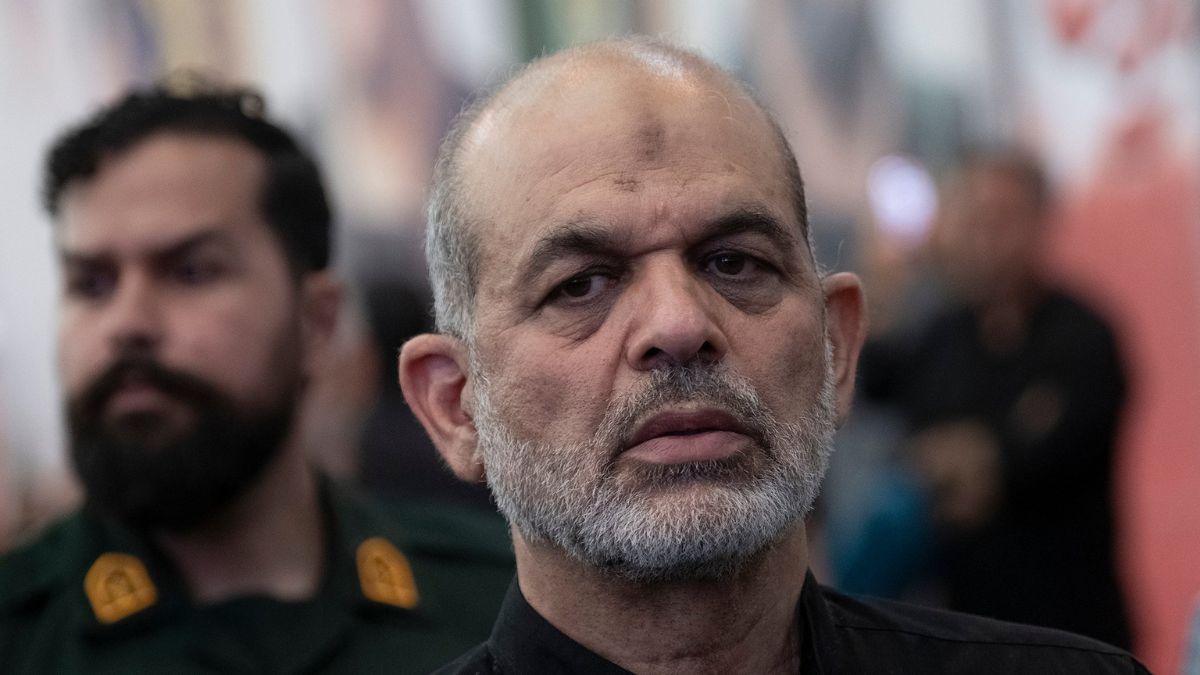
Israel, meanwhile, has expressed disappointment over the development. Israeli officials have long sought to reduce the risk of direct military confrontation with Iran, particularly following a series of attacks on Israeli assets in recent years. The Israeli government has not publicly commented on the Iranian decision, but officials have indicated a willingness to continue diplomatic efforts despite the setback.
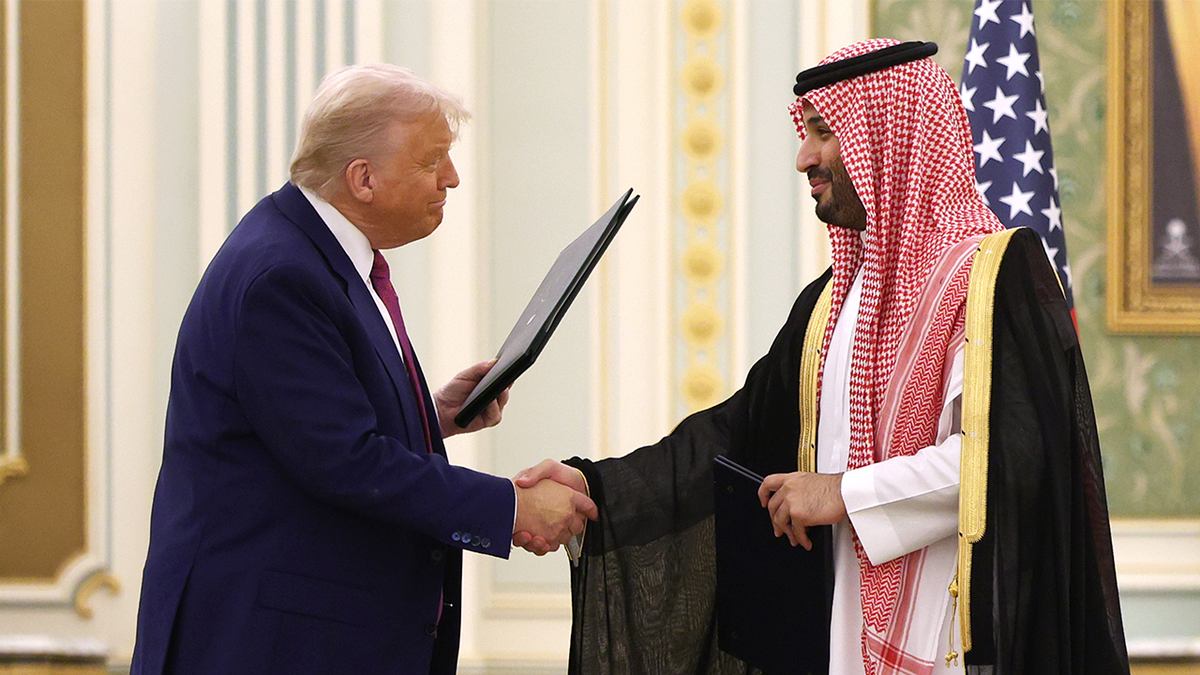
The United States, as a key regional ally of Israel, has also been closely monitoring the situation. While the U.S. has not directly participated in the negotiations, its broader strategy of containing Iranian influence in the Middle East has shaped the geopolitical landscape. The Trump administration’s previous attempts to broker deals with Iran have been cited as a potential precedent for the current initiative, though the current administration has taken a more cautious approach.
Timeline of Events
The diplomatic efforts leading to the blocked agreement began in early 2024, following a series of high-profile attacks on Israeli targets. These incidents, attributed by Israeli authorities to Iranian-backed groups, led to a sharp increase in military posturing from both sides. In response, a coalition of regional and international actors began exploring avenues for de-escalation, with the aim of preventing a full-scale conflict.
By March 2024, negotiations had progressed to a critical stage, with both sides reportedly nearing a consensus on key terms. However, the Iranian leader’s intervention, reportedly motivated by internal political pressures, derailed the process. The incident has raised questions about the stability of Iran’s leadership and the potential for further disruptions in regional diplomacy.
Why This Matters
The blocking of the agreement has significant implications for the stability of the Middle East. The region has long been a flashpoint for conflict, with tensions between Iran and its adversaries, particularly Israel and the United States, often escalating into military confrontations. The failure to reach a diplomatic resolution could lead to renewed hostilities, with potential consequences for global security and energy markets.
Analysts have also highlighted the broader implications for international diplomacy. The incident underscores the challenges of negotiating with Iran, where decision-making is often influenced by internal power struggles rather than a unified national strategy. This dynamic complicates efforts to achieve lasting peace and could deter future diplomatic initiatives.
Reactions and Expert Perspectives
Regional experts have offered mixed assessments of the situation. Dr. Leila Farah, a Middle East analyst at the International Institute for Strategic Studies, noted that the Iranian leader’s decision reflects the “deep-seated mistrust between Iran and its adversaries.” She added that “without a shift in Iran’s approach, meaningful progress on diplomacy is unlikely.”
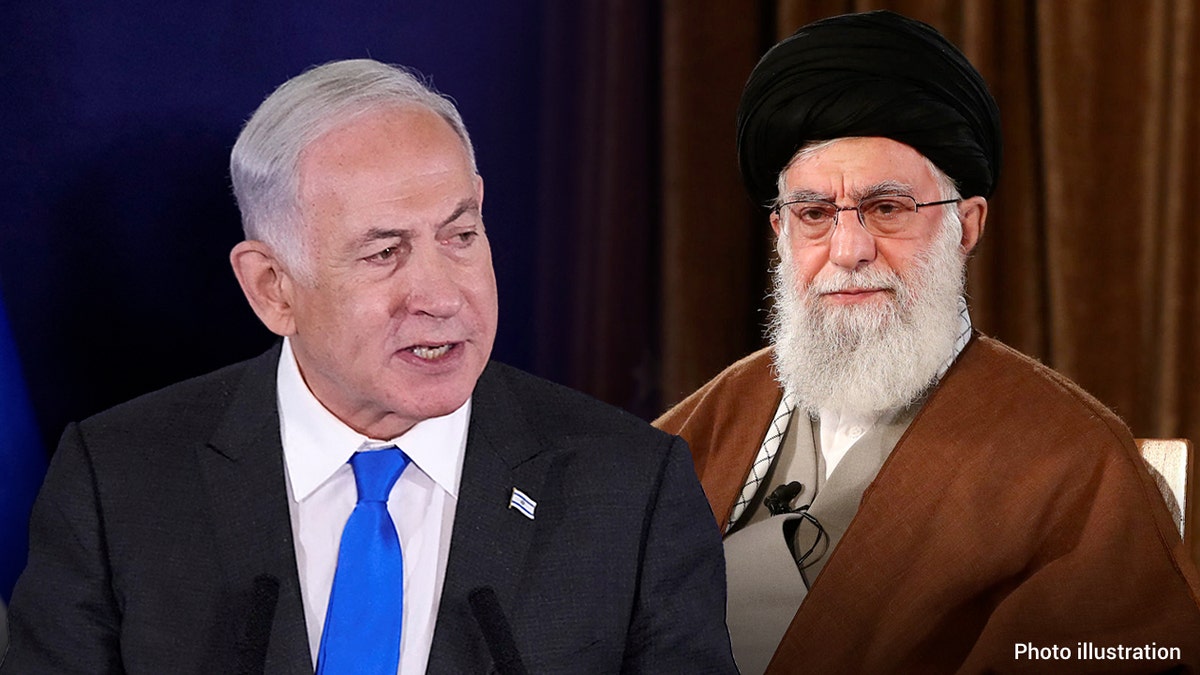
In contrast, some Israeli officials have expressed cautious optimism. A senior Israeli defense official stated that “while this setback is disappointing, it does not preclude the possibility of future talks. We remain committed to finding a peaceful resolution to the ongoing tensions.”
The United Nations has called for a return to dialogue, with a spokesperson stating that “the international community must continue to support efforts aimed at reducing tensions in the region. A peaceful resolution is in the interest of all parties involved.”
Implications and Next Steps
The immediate consequence of the blocked agreement is the continuation of hostilities between Iran and its regional adversaries. Military analysts have warned that the lack of a diplomatic framework increases the risk of accidental clashes, particularly in contested areas such as the Strait of Hormuz and the Israeli-occupied Golan Heights.
Looking ahead, the situation will likely depend on the internal dynamics within Iran. If the senior leader’s decision is reversed, there may be renewed efforts to pursue a negotiated settlement. However, if the hardline faction maintains its influence, further diplomatic initiatives may be delayed or abandoned altogether.
International actors, including the United States and European nations, are expected to continue monitoring the situation closely. The role of regional mediators, such as Oman and Qatar, may also become more significant in facilitating future negotiations.
Common Misconceptions and Clarifications
One common misconception is that the blocked agreement was a direct attempt to normalize relations between Iran and Israel. In reality, the initiative focused on reducing immediate
