World Cup 2026: England Manager Thomas Tuchel Challenges Hydration Breaks Amid Soccer Evolution
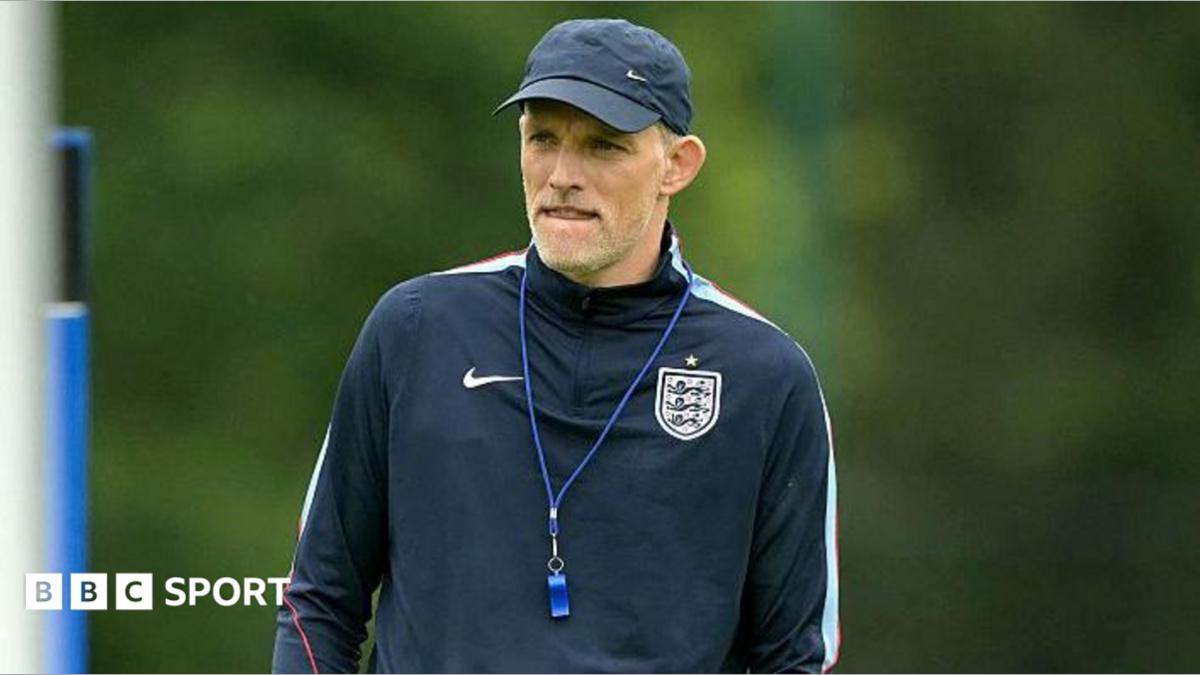
England’s head coach Thomas Tuchel has sparked debate over his approach to player hydration during the 2026 FIFA World Cup, according to multiple reports. The 53-year-old German manager, known for his tactical precision, has expressed skepticism toward mandatory hydration breaks during matches, a practice increasingly adopted by teams to combat heat and fatigue. This stance has drawn attention from medical experts, players, and fans, raising questions about the balance between tradition and modern sports science in international football.
The Controversy Unfolds
The controversy began during a training session in early May 2024, when Tuchel reportedly refused to allow players to take scheduled hydration breaks during a high-intensity practice match. According to a source close to the England squad, the coach argued that “natural fluid intake during play is sufficient” and that “artificial pauses disrupt the game’s flow.” This remark was later confirmed by a team official, who added, “Tuchel believes in adapting to conditions rather than relying on structured routines.”

The decision has reignited a broader conversation about the role of hydration in elite sports. While organizations like FIFA and the International Federation of Sports Medicine (IFSM) recommend hydration breaks in extreme heat, Tuchel’s approach reflects a growing divide between traditional coaching philosophies and evidence-based practices. The 2026 World Cup, set to be hosted by the U.S., Canada, and Mexico, will feature temperatures exceeding 35°C (95°F) in some venues, making the issue particularly urgent.
Tuchel’s Philosophy and Player Reactions
Tuchel, who took charge of England in 2023 after a successful tenure at Paris Saint-Germain and Chelsea, has long emphasized mental resilience and tactical adaptability. His philosophy, influenced by his time under Jurgen Klopp at Borussia Dortmund, prioritizes “continuous pressure and dynamic play.” This mindset may explain his reluctance to incorporate hydration breaks, which he views as a disruption to the game’s rhythm.
However, player reactions have been mixed. Midfielder Jude Bellingham, a key figure in the squad, told a pre-tournament press conference, “We understand Tuchel’s perspective, but we need to stay safe. Hydration isn’t just about water—it’s about performance and health.” Conversely, defender Kyle Walker expressed support for the coach, stating, “If Tuchel trusts his instincts, we’ll back him. He’s won titles before.”
The debate has also touched on generational differences. Younger players, raised in an era of advanced sports science, often advocate for structured recovery protocols. Older veterans, meanwhile, recall a time when hydration was managed through instinct rather than protocols. This tension highlights the challenges of modernizing a sport steeped in tradition.
Medical and Scientific Perspectives
Medical experts have weighed in on the controversy, with conflicting views. Dr. Sarah Mitchell, a sports physiologist at the University of Manchester, noted, “Hydration breaks are not just about preventing dehydration—they’re about maintaining cognitive function and muscle performance. Even a 2% drop in hydration can impair decision-making.” She added that teams in hot climates, such as those in the 2022 Qatar World Cup, implemented strict fluid management strategies.
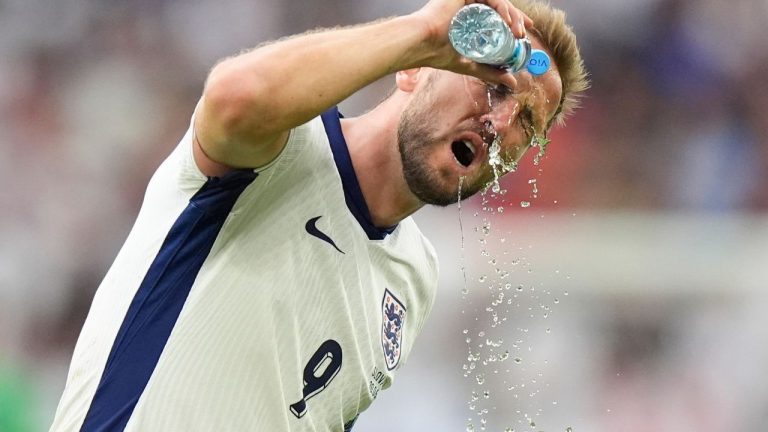
In contrast, Dr. Luis Alvarez, a former FIFA medical officer, argued that “over-reliance on hydration breaks can create a false sense of security.” He pointed to the 2018 World Cup in Russia, where teams like Croatia and France managed high-intensity matches without scheduled pauses. “It’s about context,” Alvarez said. “If the weather is manageable and players are acclimated, breaks may not be necessary.”
FIFA’s official guidelines state that “coaches should prioritize player safety while respecting the game’s integrity.” However, the organization has not issued specific rules about hydration breaks, leaving teams to navigate the issue independently. This lack of clarity has fueled the debate, with some critics accusing Tuchel of prioritizing ideology over player welfare.
Historical Context and Precedents
The tension between coaching style and medical advice is not new. In the 1990s, Brazilian coach Scolari famously resisted hydration protocols during the 1994 World Cup, leading to concerns about player fatigue. More recently, Argentina’s Lionel Scaloni faced scrutiny for not using hydration breaks during the 2022 final, though his team won the match.
Comparisons have also been drawn to the 2019 Women’s World Cup, where the U.S. team’s success was partly attributed to rigorous hydration and recovery protocols. This contrast underscores the evolving role of science in soccer. As Tuchel’s approach gains attention, it raises questions about whether England is aligning with global trends or diverging from them.
Implications for the 2026 World Cup
The debate over hydration breaks could have significant implications for England’s World Cup campaign. If Tuchel’s strategy proves effective, it may influence other teams to adopt similar approaches. However, if player performance suffers in hot conditions, it could lead to calls for stricter protocols.
Another factor is the scheduling of matches. The 2026 tournament will include games in cities like Phoenix (Arizona) and Dallas (Texas), where temperatures regularly exceed 40°C (104°F). Teams will need to balance heat management with tactical goals, a challenge that could test Tuchel’s philosophy.
Media outlets have already begun covering the story, with outlets like Sky Sports and The Guardian highlighting the conflict. Analysts suggest that Tuchel’s stance may be a calculated move to differentiate England from rivals. “This is about creating a unique identity,” said football analyst Jamie Redknapp. “But it’s also risky.”
Key Points to Watch
- Tuchel’s hydration strategy will be tested in upcoming friendly matches in hot climates.
- Player feedback and performance data will be critical in assessing the approach.
- FIFA and national football associations may revisit guidelines for future tournaments.
- The debate could influence how other teams handle similar challenges in the 2026 World Cup.
FAQ: World Cup 2026 and Hydration Breaks
What are hydration breaks in soccer? Hydration breaks are scheduled pauses during matches to allow players to drink water or electrolyte solutions, typically in hot weather. They aim to prevent dehydration and maintain performance levels.
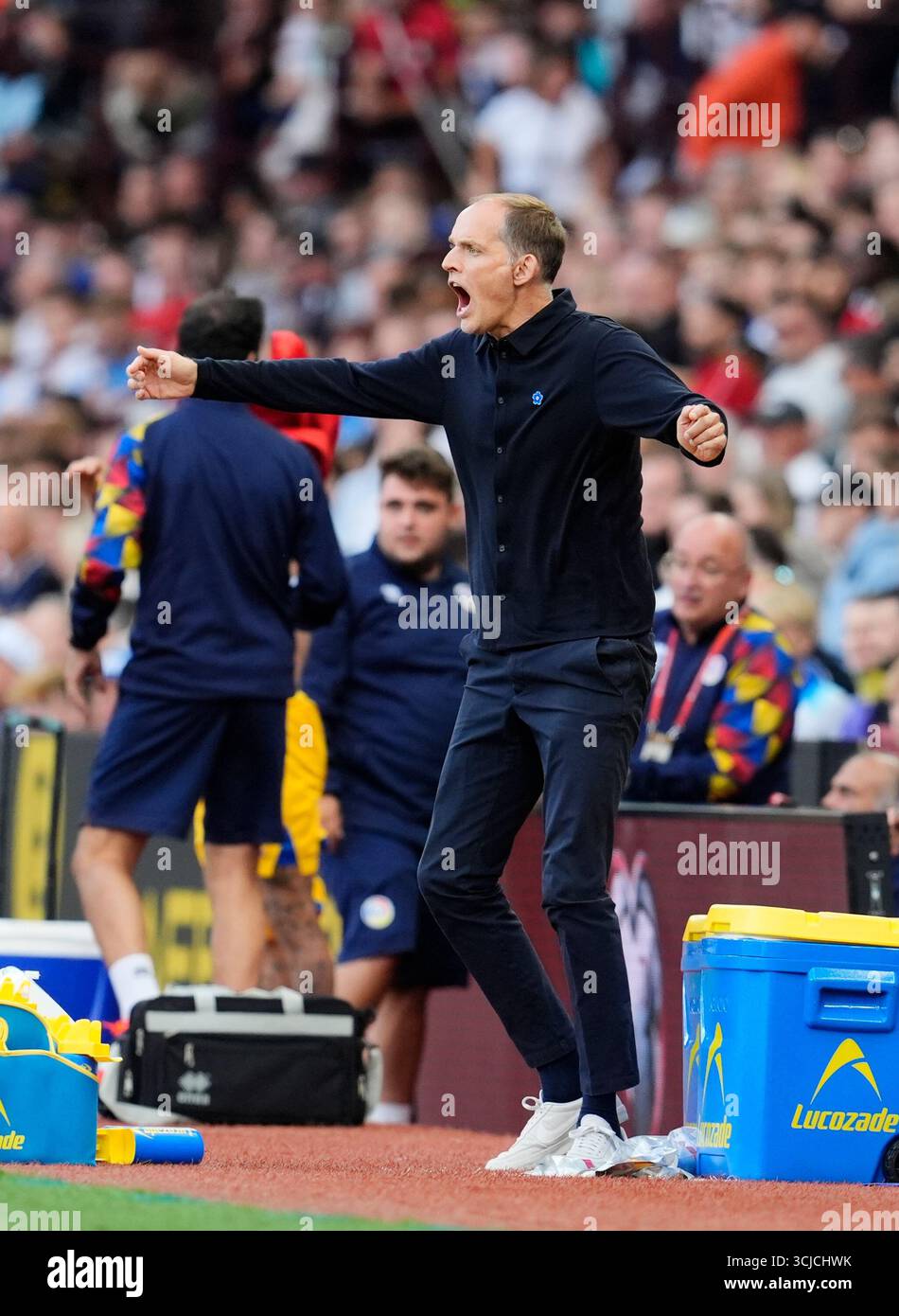
Why is Tuchel opposing them? Tuchel believes that natural fluid intake during play is sufficient and that breaks disrupt the game’s
