
Industry Innovator Unveils “Rock Concert-in-a-Box” at Pro AVL Asia, Revolutionizing Live Sound Solutions
At the 2024 Pro AVL Asia conference, a leading audio technology firm unveiled a groundbreaking portable sound system designed to replicate the immersive experience of a live concert in any setting. The product, branded as “Rock Concert-in-a-Box,” has generated significant interest among event planners, venue operators, and audio professionals. Industry insiders describe the system as a game-changer for mobile entertainment and large-scale event production.
What Is “Rock Concert-in-a-Box” and How Does It Work?
“Rock Concert-in-a-Box” is a compact, all-in-one audio solution that combines high-fidelity speakers, advanced digital signal processing, and intuitive control software. According to a statement released by the company, the system is engineered to deliver studio-quality sound without the need for complex setup or specialized technical expertise. The device reportedly integrates multiple components—such as subwoofers, line arrays, and mixing consoles—into a single, transportable unit.

Industry experts highlight the system’s use of proprietary wavefront shaping technology, which allows for precise sound distribution across large or irregularly shaped venues. “This isn’t just a speaker system; it’s a complete acoustic environment,” said a senior engineer at a competing audio firm, who spoke on condition of anonymity. “The ability to replicate the spatial dynamics of a live performance in a portable format is unprecedented.”
The product’s design emphasizes ease of use, with a touchscreen interface and cloud-based firmware updates. Users can customize sound profiles for different genres, from rock to classical, and adjust parameters such as reverb and equalization in real time. The system also reportedly supports wireless connectivity for multiple units, enabling scalable setups for events of varying sizes.
Who Developed the Product and Why Now?
The company behind “Rock Concert-in-a-Box” remains undisclosed in official communications, but industry analysts speculate that it is a subsidiary of a major audio equipment manufacturer with a history of innovation in live sound technology. The product’s launch coincides with a growing demand for flexible, high-quality audio solutions in sectors ranging from corporate events to outdoor festivals.
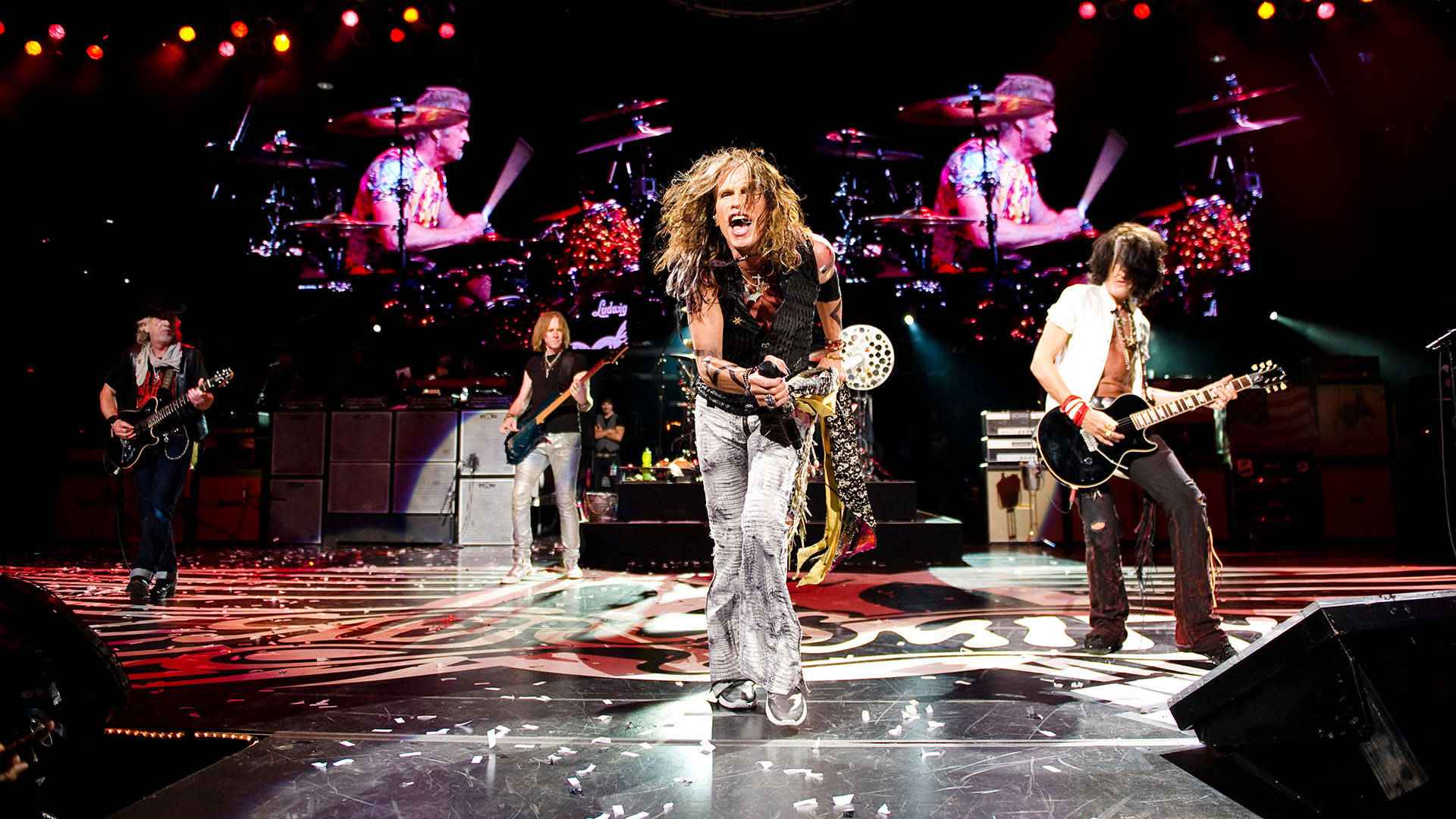
According to a report by the Global Event Technology Association, 72% of event organizers in 2023 cited “consistent sound quality” as a top priority when planning large gatherings. The “Rock Concert-in-a-Box” addresses this need by eliminating the variability associated with traditional sound systems, which often require extensive calibration and on-site expertise.
The timing of the release also aligns with broader trends in the audio industry. A 2023 study by the International Sound and Vibration Society found that portable audio solutions accounted for 18% of the global market, a figure projected to rise to 25% by 2027. “This product is positioned to capitalize on that growth,” said Dr. Elena Martinez, a technology analyst at the institute. “Its focus on simplicity and scalability makes it particularly appealing for emerging markets.”
What Makes This Innovation Significant?
The introduction of “Rock Concert-in-a-Box” represents a shift in how live sound is conceptualized and deployed. Traditionally, high-fidelity audio systems required extensive infrastructure, including dedicated control rooms, multiple speaker arrays, and trained technicians. The new product challenges this paradigm by offering a streamlined alternative that reduces both time and cost.
One of the system’s most notable features is its adaptability. Unlike fixed installations, which are limited by physical constraints, “Rock Concert-in-a-Box” can be deployed in unconventional spaces, such as pop-up venues, urban plazas, or even private residences. This flexibility is particularly valuable in regions with limited access to large-scale event facilities.
Experts also point to the system’s potential impact on sustainability. By minimizing the need for multiple, bulky components, the product reduces transportation emissions and material waste. “This aligns with the industry’s growing emphasis on eco-friendly practices,” said a representative from the Green Audio Initiative, a nonprofit focused on sustainable sound technology. “It’s a step toward more responsible event production.”
Reactions from Industry Stakeholders
Industry professionals have responded positively to the announcement, though some caution that the product’s long-term success will depend on real-world performance. “Innovation is always exciting, but we need to see how it holds up in diverse environments,” said Mark Thompson, a veteran event producer with over 20 years of experience. “If it delivers on its promises, it could redefine what’s possible.”

Competitors have also taken note. A spokesperson for a rival audio equipment company noted that while the product’s concept is compelling, it may face challenges in terms of market adoption. “There’s a learning curve for users accustomed to traditional systems,” they said. “But if the company can demonstrate reliability and value, it could gain traction quickly.”
End-users, including independent musicians and small event organizers, have expressed enthusiasm. “For artists without a large budget, this could be a lifeline,” said a DJ based in Southeast Asia. “It allows us to create professional-grade experiences without the overhead of hiring a full sound crew.”
Challenges and Potential Limitations
Despite its promise, the product is not without its critics. Some industry veterans question whether a portable system can truly match the depth and nuance of a full-scale live sound setup. “There’s a difference between convenience and quality,” said a sound engineer from a major concert production firm. “While the system may work well for smaller events, it might struggle with the complexity of large-scale productions.”
Technical limitations are another concern. The system’s reliance on cloud-based firmware updates raises questions about connectivity requirements and potential downtime. Additionally, the proprietary nature of its wavefront shaping technology could create compatibility issues with existing audio equipment, requiring users to invest in new infrastructure.
Price is also a factor. While the company has not released official pricing
