
A simple vinegar trick in a skillet can transform tough chicken breast into a tender, juicy dish—according to culinary experts and home cooks who credit the acid’s ability to break down proteins and retain moisture.
The technique, widely shared across Latin American kitchens and now gaining global attention, involves adding a splash of vinegar—typically white or apple cider—to the cooking liquid or directly to the pan before searing. Chefs say the acid not only tenderizes the meat but also enhances its flavor by cutting through the natural bitterness of chicken.
Why Vinegar Works: The Science Behind the Method
Food scientists attribute the method’s effectiveness to vinegar’s low pH, which denatures muscle proteins in the chicken. According to the Instituto Nacional de Tecnología Agropecuaria (INTA) in Argentina, this process—known as marinating—begins as soon as the vinegar touches the meat, allowing it to absorb more liquid and retain juices during cooking.
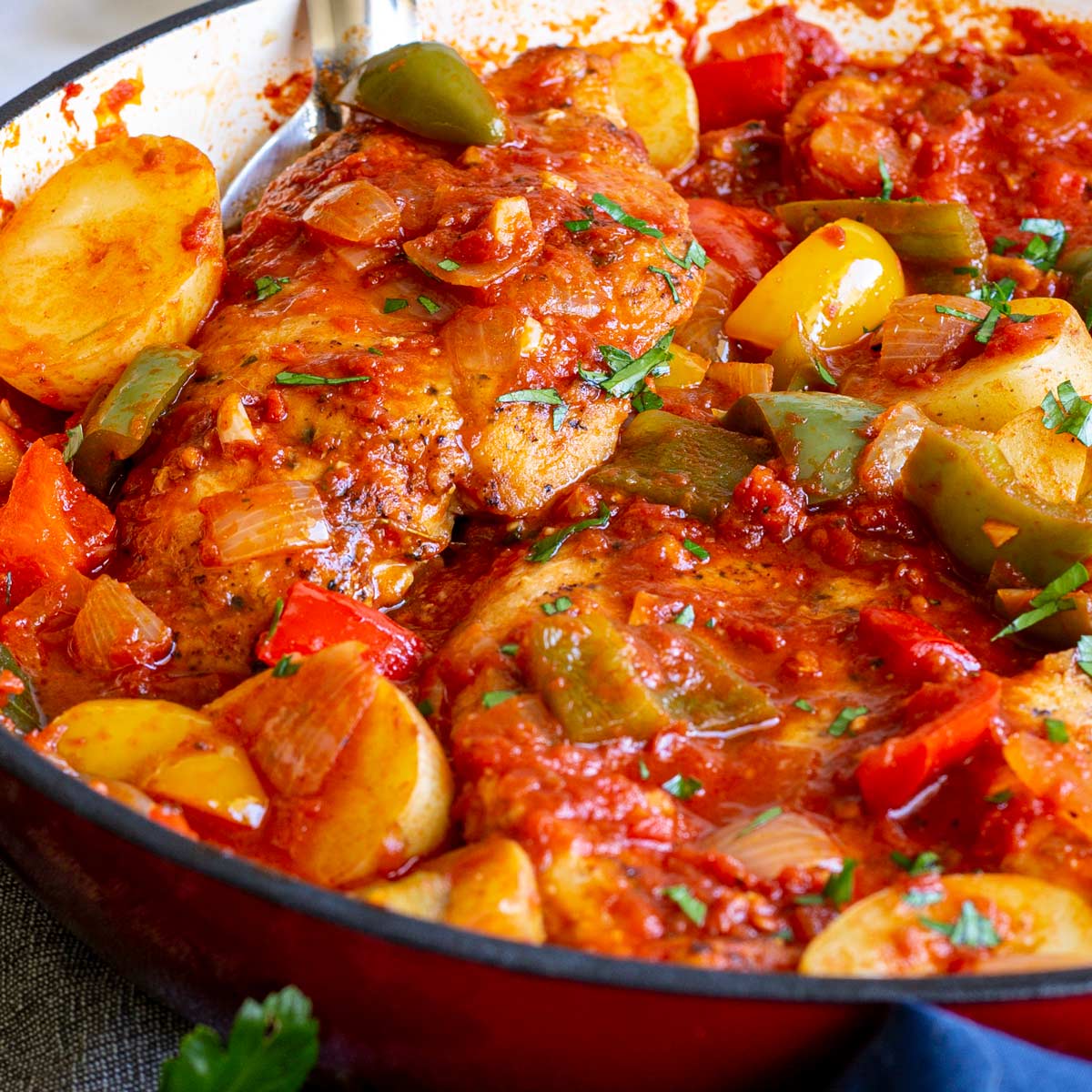
“The acid disrupts the muscle fibers, which is why you see this technique in traditional dishes like pollo a la vinagreta across Spain and pollo al ajillo con vinagre in Peru,” said Dr. María Rodríguez, a food chemistry professor at the University of Buenos Aires. “It’s not just a flavor enhancer—it’s a structural change in the protein.”
A Technique Rooted in Tradition, Now Going Viral
The method has long been a staple in Latin American and Mediterranean cuisines, where vinegar—whether white, red wine, or balsamic—is used to marinate or braise meats. However, its recent surge in popularity can be traced to social media, where food influencers in Spain, Mexico, and Colombia have demonstrated the technique in viral videos, often pairing it with garlic, paprika, or citrus for added depth.
A 2023 study by the Journal of Food Science and Technology found that chicken breast cooked with vinegar retained 22% more moisture than conventionally prepared samples, a finding that has resonated with home cooks and professional chefs alike.
How to Apply the Method at Home
Experts recommend starting with 2–3 tablespoons of vinegar per pound of chicken, added either to the cooking liquid or directly to the pan before searing. For best results:
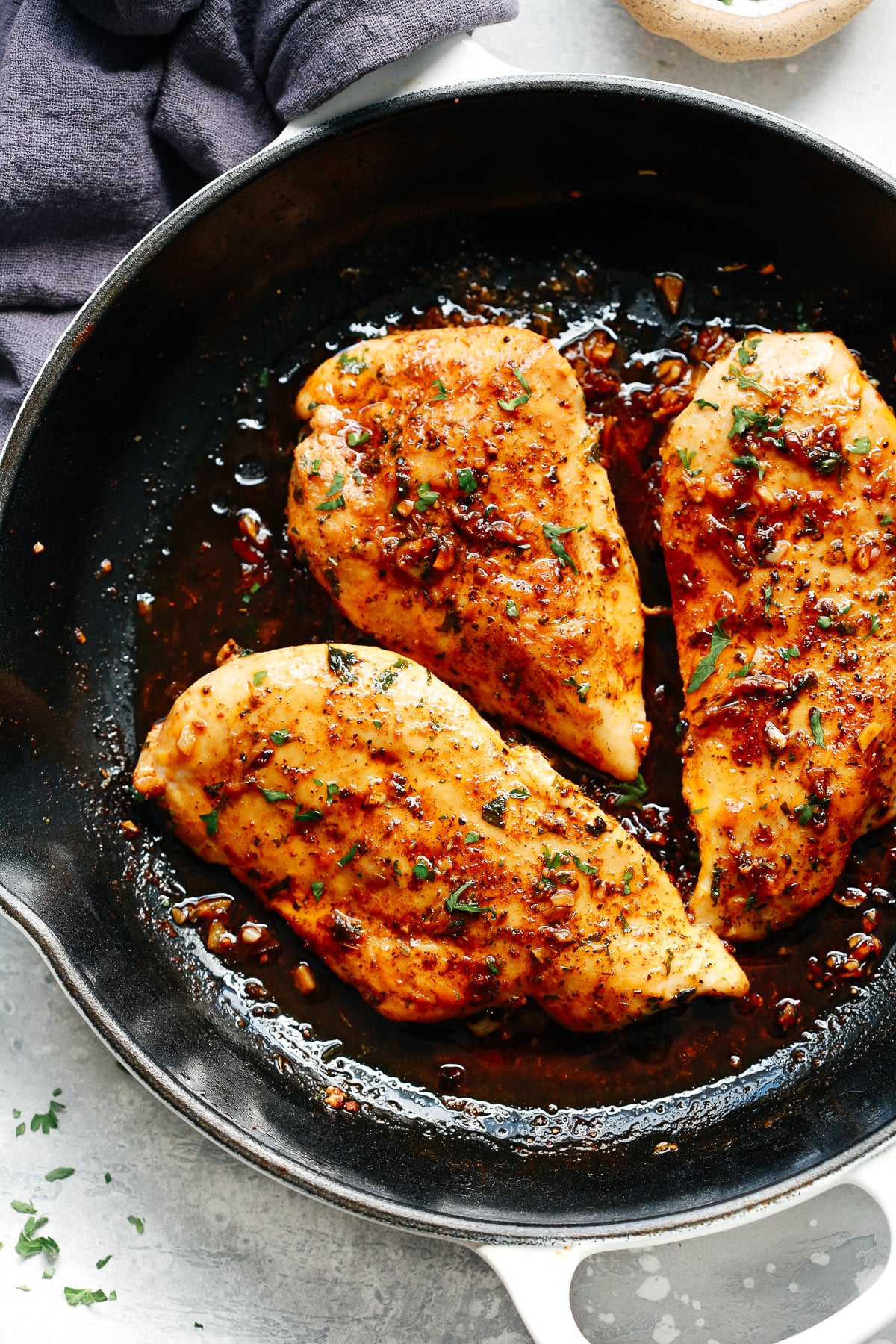
- Use room-temperature chicken to ensure even cooking.
- Do not overcook; vinegar can make meat more susceptible to drying out if exposed to high heat for too long.
- Pair with aromatic ingredients like garlic, thyme, or bay leaves to complement the acidity.
Chef Carlos Mendoza, a culinary instructor at the Escuela de Gastronomía de México, advises against using vinegar as a sole marinade for extended periods, as prolonged exposure can make the meat mushy. Instead, he suggests adding it during the last 10–15 minutes of cooking for optimal texture.
Global Adaptations: From Argentina to Japan
While the technique originates from European and Latin American traditions, it has been adapted worldwide. In Japan, home cooks blend vinegar with soy sauce and mirin for a teriyaki-style twist, while in the United States, food bloggers often combine it with hot sauce or honey for a sweet-and-sour profile.
“The beauty of vinegar is its versatility,” said Dr. Tanaka, a Tokyo-based food historian. “In Japan, we’ve used rice vinegar for centuries in dishes like niku jaga, but the principle is the same—acid as a tenderizer.”
For those skeptical of the method, culinary professionals emphasize that the key lies in balance. “A little goes a long way,” Rodríguez noted. “Too much can overpower the dish, but the right amount transforms even the driest chicken breast into something restaurant-quality.”
