
The visual narrative of Vladimir Putin‘s presidency often relies on a carefully curated backdrop of cheering citizens, but these displays are frequently the result of state-managed choreography known as masovki
. These organized crowds of extras are used to simulate broad public consensus, creating a theatrical illusion of popularity and national unity that masks the complexities of Russian public sentiment.
Fast Facts
- Masovki: A Russian term for organized groups of extras used to fill spaces at political rallies or public events.
- Recruitment: Participants are sourced through specialized Telegram channels, paid agencies, or state-mandated directives.
- The Goal: To project an image of absolute loyalty and strength to both domestic audiences and international observers.
- The “Fake Russians”: Individuals paid specifically to pose in photographs or appear in videos alongside the president to suggest a relatable, popular connection.
The Engineering of Public Enthusiasm
The creation of a supportive atmosphere around the Kremlin is not left to chance. Instead, it is a professionalized operation. According to reports on the practice, the state utilizes a network of recruiters who organize masovki
to ensure that any public appearance by the president is framed by a sea of smiling, applauding faces.
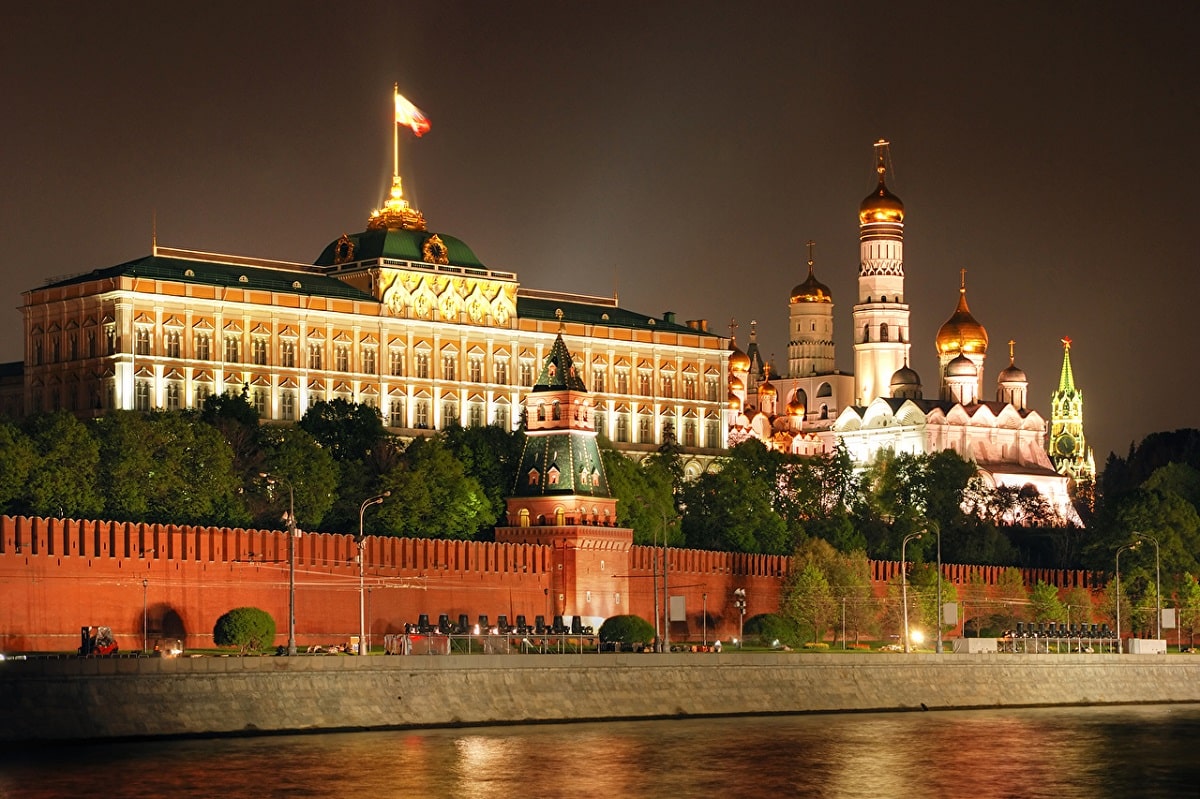
These participants are often recruited via social media, particularly through Telegram channels that offer small payments for attendance. These individuals are not necessarily political activists; rather, they are “professional” attendees who treat the events as a temporary job. Their primary role is to provide the necessary visual energy—cheering, holding placards and maintaining an air of excitement—that transforms a controlled government event into what appears to be a spontaneous grassroots gathering.
Coercion and the State Apparatus
While some participants are paid, a significant portion of these crowds are brought in through what is known as the administrative resource
. In this system, state employees—including teachers, medical staff, and low-level bureaucrats—are frequently coerced into attending rallies under the implicit or explicit threat of professional repercussions.
For these individuals, participation is not a choice but a requirement of their employment. This creates a layer of “forced loyalty” where the presence of thousands of people does not indicate genuine support, but rather the efficiency of the state’s command-and-control structure over its workforce.
The Strategic Purpose of the Spectacle
The use of staged crowds serves a critical psychological and geopolitical function. By saturating media coverage with images of overwhelming support, the Kremlin seeks to marginalize dissent and make opposition appear nonexistent or insignificant. When the state can produce a crowd of thousands on demand, it sends a message to the average citizen that the president’s power is absolute and uncontested.
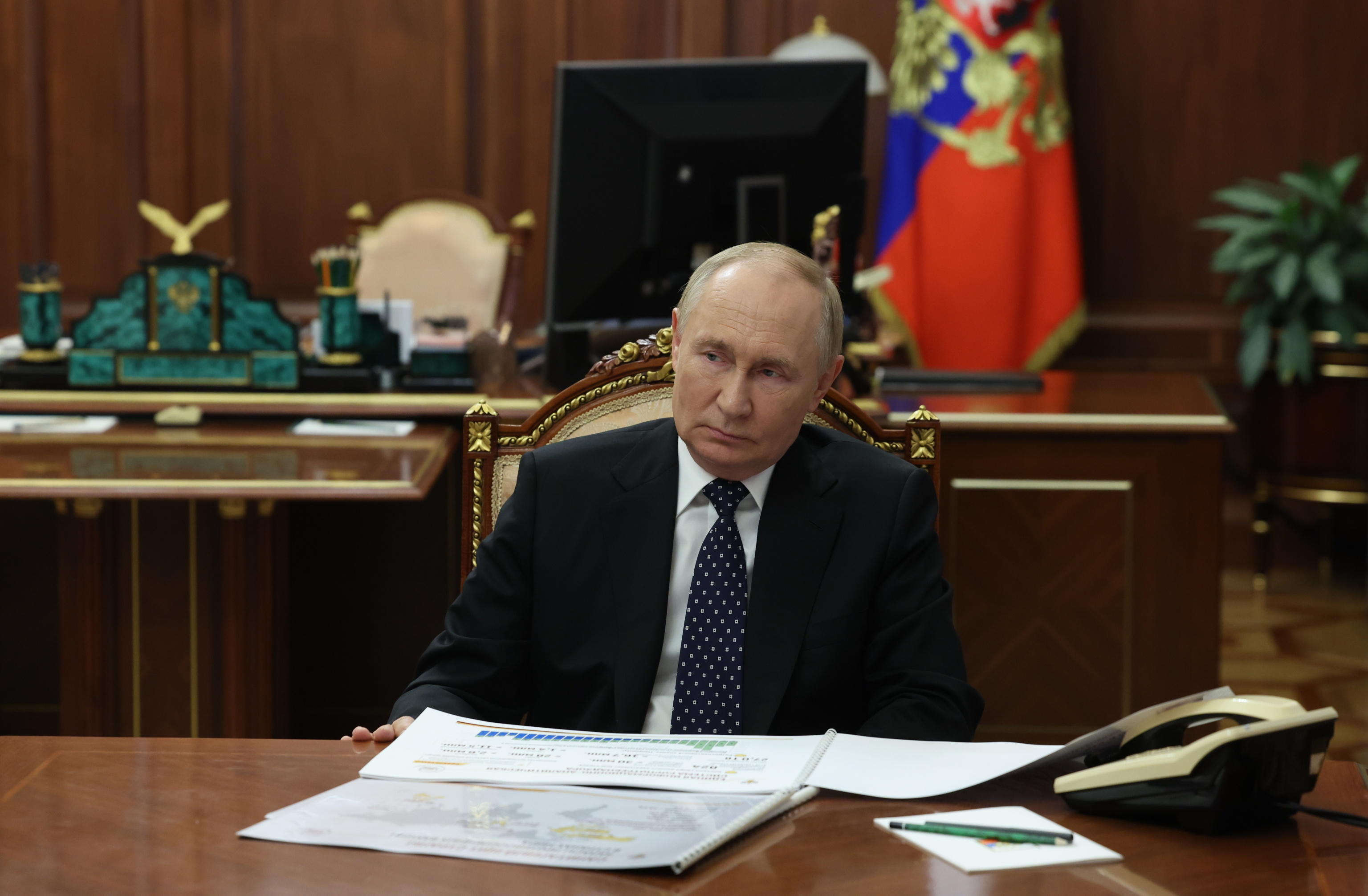
This artifice extends beyond large rallies to more intimate settings. The use of fake Russians
—individuals paid to appear in “candid” photos or casual interactions with the president—is designed to humanize the leader and suggest a level of accessibility and kinship with the common people that may not exist in reality.
Maintaining the Illusion
The reliance on these tactics suggests a persistent need to manage the perception of stability. In an environment where genuine public polling may be unreliable or suppressed, the masovki serve as a visual proxy for legitimacy. By controlling the scenery, the Kremlin ensures that the only version of “the people” seen by the world is the one that is choreographed, paid for, or coerced into submission.
