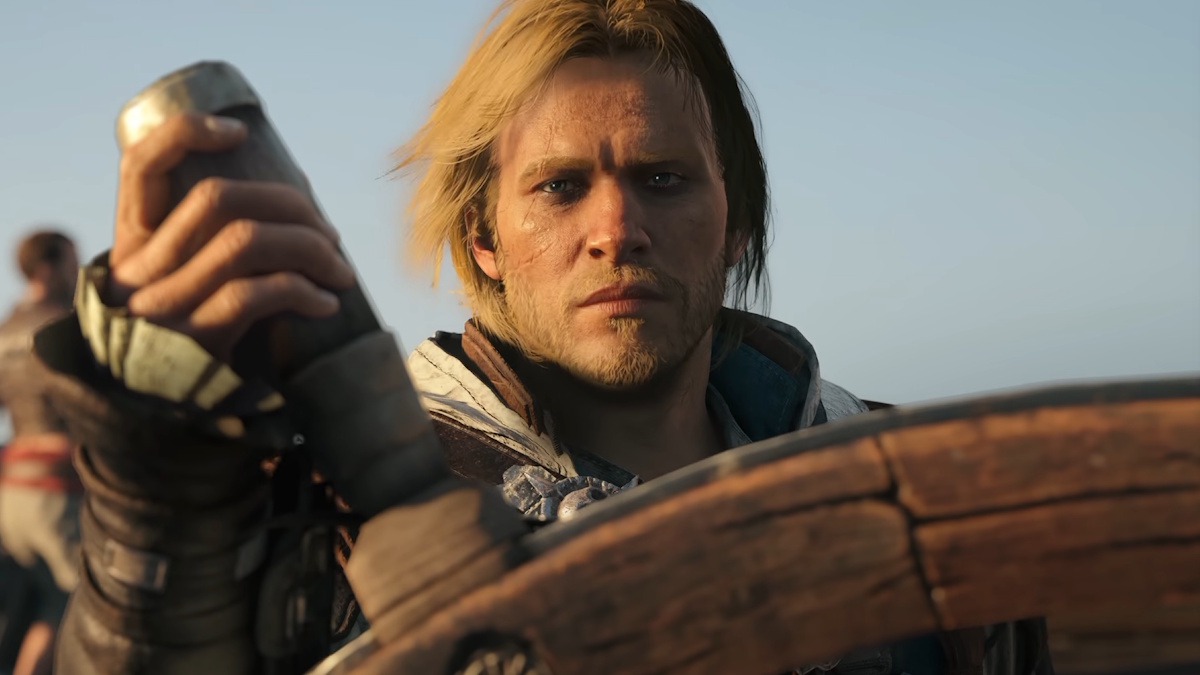
Assassin's Creed Black Flag Resynced day one DLC earns Ubisoft $1 million
While Assassin's Creed Black Flag Resynced achieved a record-breaking 2 million copies sold in its first 24 hours, its aggressive day-one monetization strategy has triggered significant community backlash.

The release of Assassin’s Creed Black Flag Resynced on July 9, 2026, has triggered a sharp division between the game's commercial performance and its reception by the player community. While the title achieved a record-breaking launch with 2 million copies sold across all platforms in its first 24 hours, its introduction has been marred by a significant backlash regarding its day-one monetization strategy.
Monetization and Market Friction
The controversy centers on a collection of optional downloadable content (DLC) released alongside the $60 base game. According to reports, these nine add-ons total approximately $85 in additional costs. The catalog includes four themed cosmetic bundles—comprising alternate outfits for Edward Kenway and visual skins for his ship, the Jackdaw—and a resource and map pack designed to assist with in-game progression and collectible discovery.
Related YouTube video

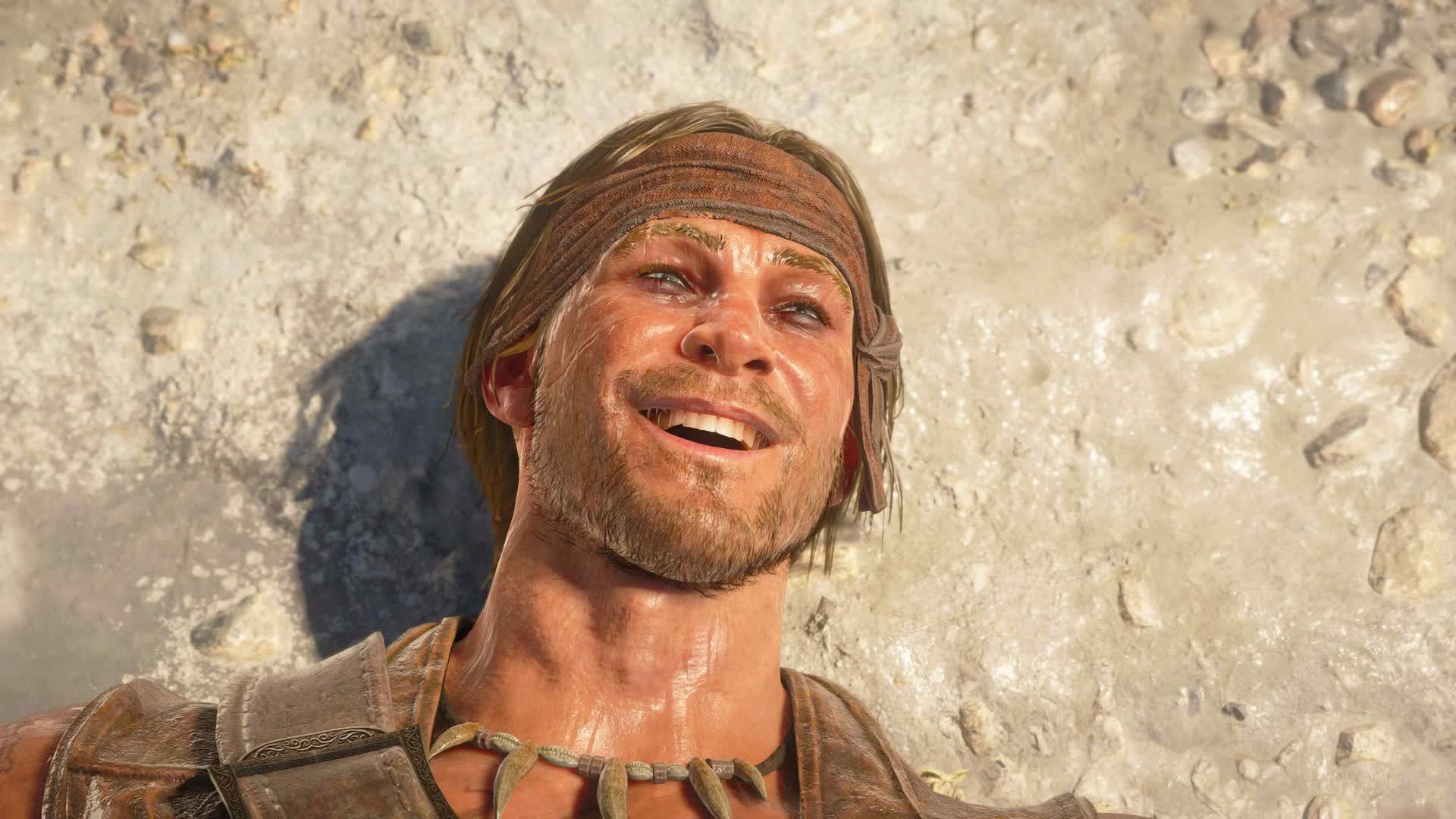
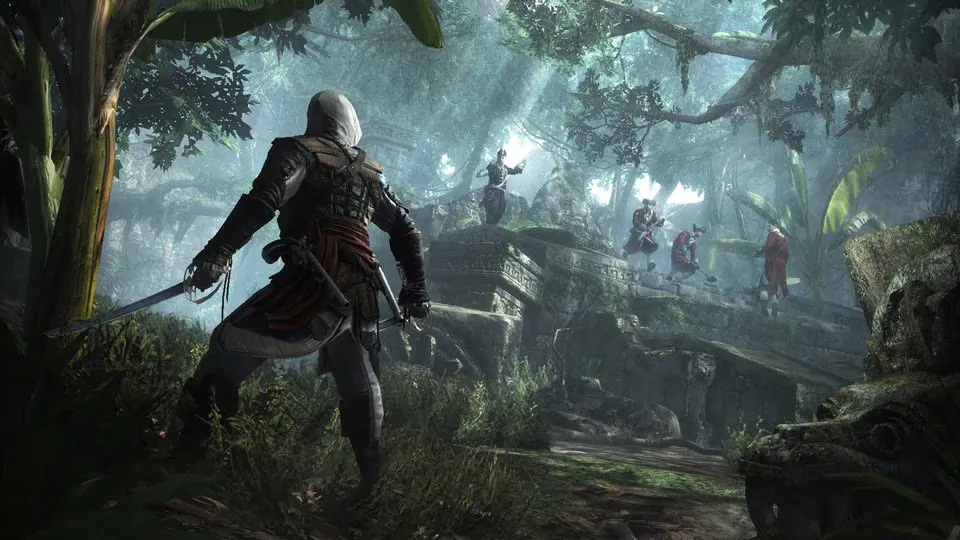
The monetization structure has drawn intense scrutiny, particularly because the combined price of the extra content exceeds the cost of the base game. Writing via IGN, news editor Tom Phillips noted that Ubisoft earned an additional $1 million in revenue from these items on Steam alone. Data suggests that the $4.99 Map Pack achieved a 6.34% attach rate, meaning roughly 1 in 15 players opted to purchase the navigation aid. The cosmetic packs saw lower adoption, with attach rates hovering around 2%.
Conflicting Perspectives
Ubisoft has defended the inclusion of these packs, maintaining that the standard edition provides a complete experience. A company community representative stated:
"The standard edition is the full, complete experience. Every mission, every island, the full story and the complete world are all there, with nothing held back. The additional packs are entirely optional extras for players who want them, never a requirement to enjoy or complete the game."
Ubisoft community spokesperson, via Steam/IGN
Despite this, players have expressed dissatisfaction with the visibility of these items. Comicshoplocator highlights that the presence of these in-game store prompts, particularly for those who purchased the $70 Deluxe Edition, creates a negative user experience. Unlike the base game, which has earned critical acclaim for its visual overhaul and return to the franchise's roots, the store page has faced "review-bombing" on platforms like Steam, where the user rating fluctuated between "Mixed" and "Mostly Negative" following the launch, as reported by Techspot.
Industry and Studio Context
The aggressive launch-day strategy comes during a period of financial and structural pressure for Ubisoft. This context has intensified the criticism, with some players arguing that the "time-saver" mechanics undermine the original game's focus on organic exploration.
The broader performance of the title remains robust. With a concurrent player peak of nearly 100,000 on Steam, it stands as the most successful launch in the series to date. Martin Schelling, head of the Assassin’s Creed brand at Ubisoft, attributed the game's success to the enduring passion for the original 2013 title, noting, "Seeing so many players set sail on day one, along with the great reviews from critics, is the greatest reward we could have hoped for," as quoted by The Week.
What to Watch Next
- Storefront Updates: Observers are waiting to see if Ubisoft modifies the Deluxe Edition value proposition or shifts any DLC content into the base game during future patches.
- Community Sentiment: While the critical reception remains high (holding 84% on Metacritic), the long-term Steam user rating will serve as a barometer for how sustained the frustration remains as the initial launch window concludes.
- Future Development: With the pivot away from heavy RPG mechanics in this title, industry analysts are watching whether this monetization model remains the standard for the company’s future releases or if the backlash prompts a change in approach.
As the conversation continues, Pinkcrow suggests that the situation serves as a test of whether a high-quality remake can withstand the reputational impact of a "bloated cash shop" in an era where many developers are moving toward cleaner, self-contained single-player experiences.
Archypedia is dedicated to independent, evidence-backed reporting. This briefing was synthesized from primary source reporting, corroborated across independent newsrooms, and verified against our Editorial Standards.
Transparency record
Evidence behind this report
This report synthesizes 6 distinct sources. Open the source ledger below to compare the underlying coverage.
Prepared under the Archypedia Editorial Policy by the Niko Vale editorial desk profile. AI-assisted tools may support drafting and verification; public accountability remains with Archypedia. Report an error.